
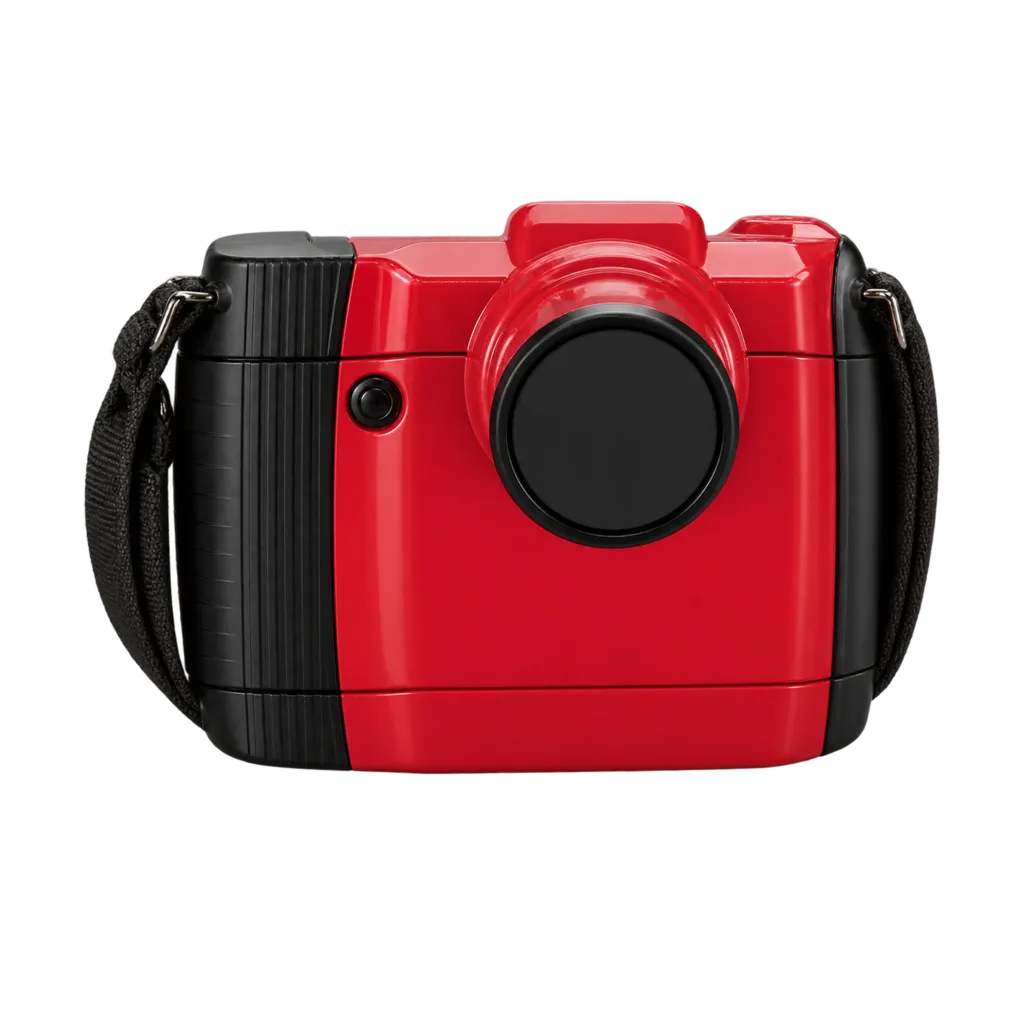
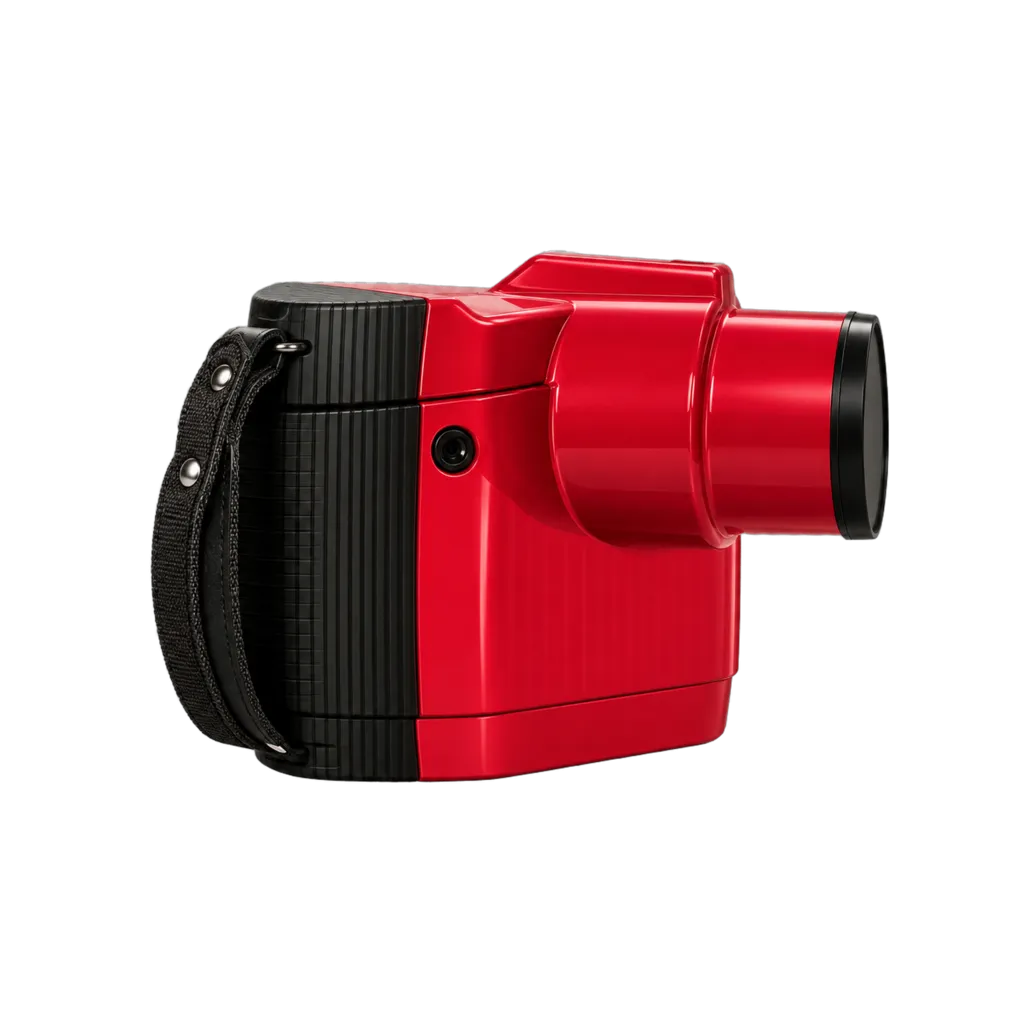
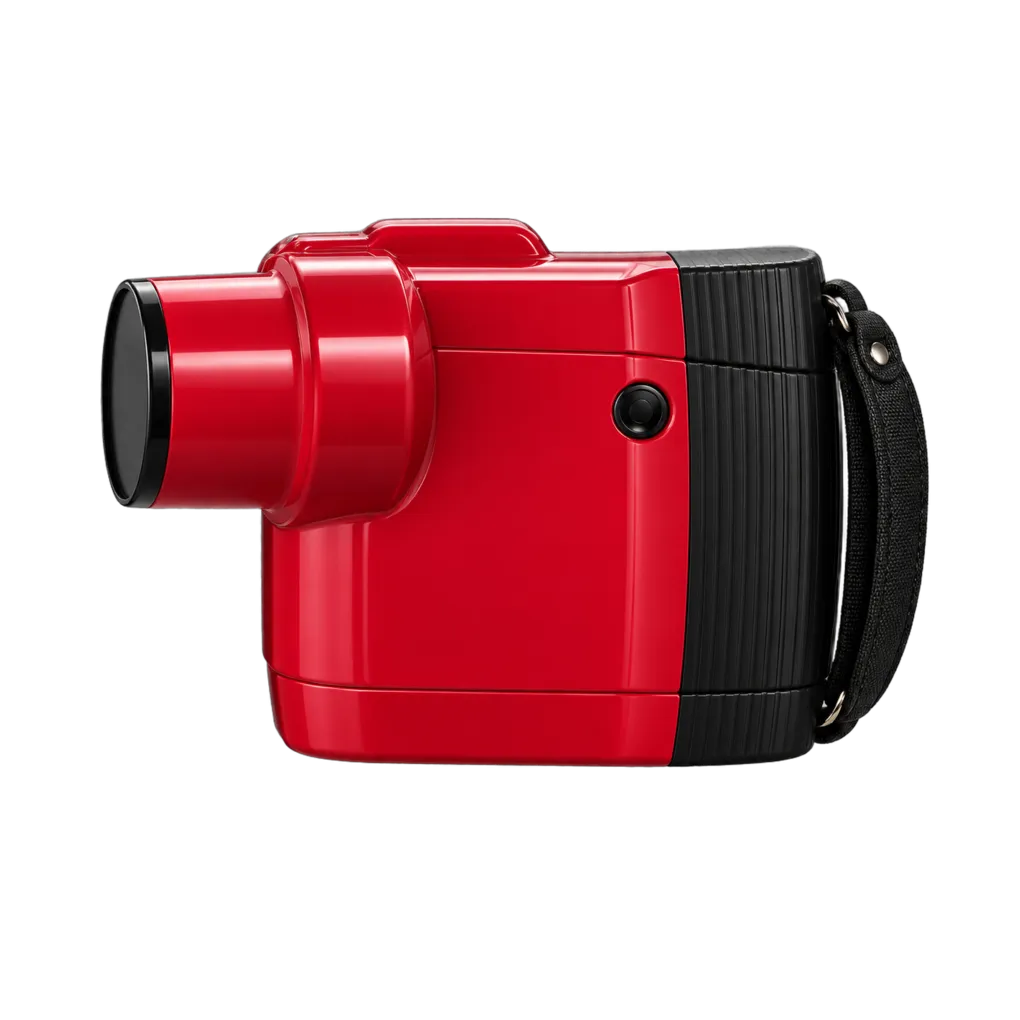
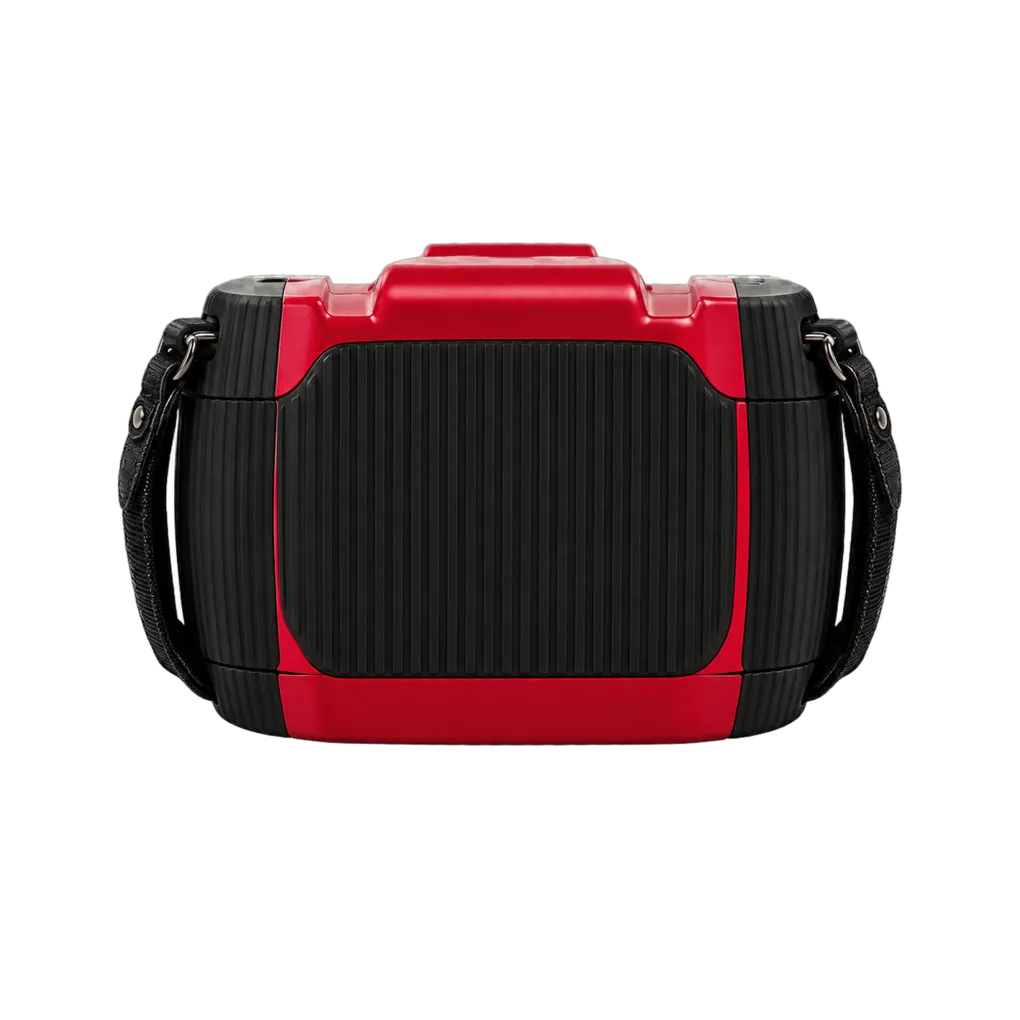
Intraoral radiography carries the diagnostic load in UK general dentistry, and the SJD-C20 is configured for that daily volume. It supports bitewing caries detection, periapical pathology assessment, endodontic working length and obturation verification, alveolar bone level review, and root morphology assessment before extraction.
Operation at 70 kV shapes both the images and the installation. A higher-energy beam produces a long greyscale, which helps where crestal bone, root surface and restorative material must all be read from a single view — periodontal assessment and restorative margin review both benefit. It also reaches a given receptor density in a shorter exposure, which narrows the window for patient movement.
The installation side is where this specification distinguishes itself. Equipment operating above 60 kV attracts a longer minimum focus-to-skin distance under UK guidance, and this data sheet publishes a distance answering it directly. That removes the most common gap in this equipment class and lets the Radiation Protection Adviser start from a stated position.
Collimation is the counterweight and needs resolving before purchase. The published irradiation field is larger than the beam diameter UK guidance permits at the skin, so the measurement basis must be established and, if necessary, additional collimation specified. Practices committed to dose optimisation, and services answerable for paediatric exposures in particular, should not leave that to commissioning.
Community dental services and special care teams need equipment one clinician can carry. At 2.2 kg, the unit travels, with off-site radiation protection arrangements agreed with the RPA in advance.
Guidance from the College of General Dentistry and UKHSA Dental X-ray Protection Services remains the reference point that UK practices work to, alongside HSE enforcement of IRR17.