
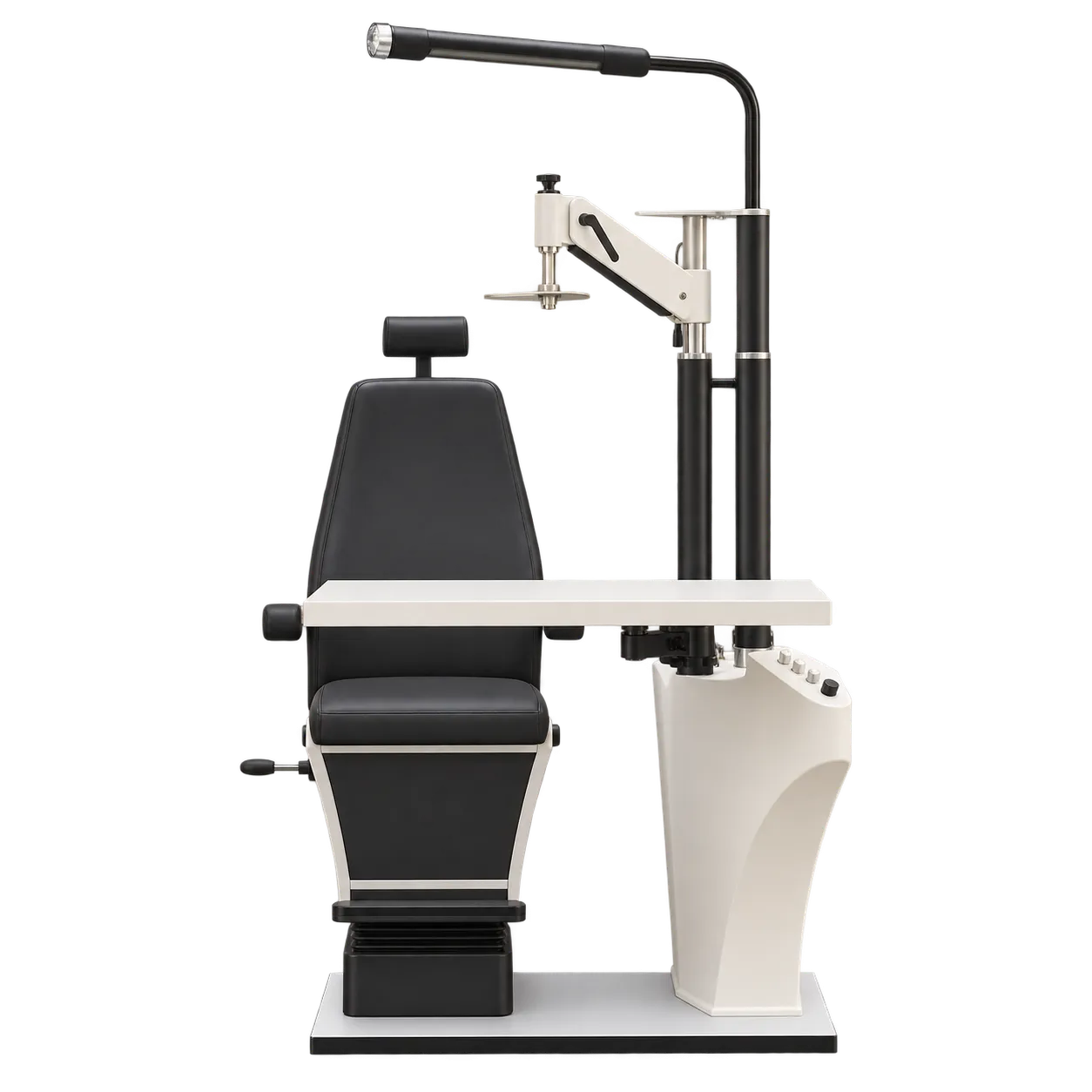

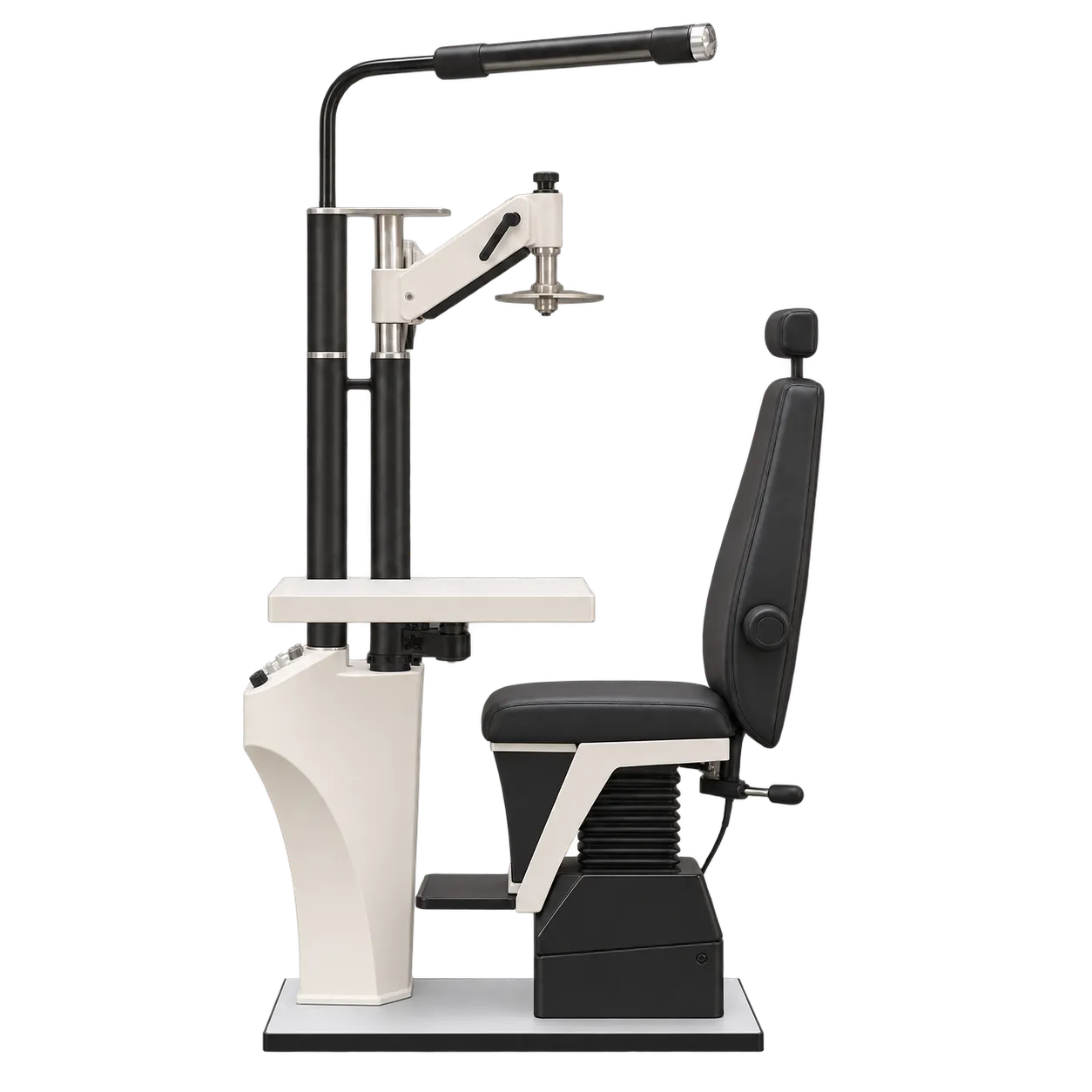
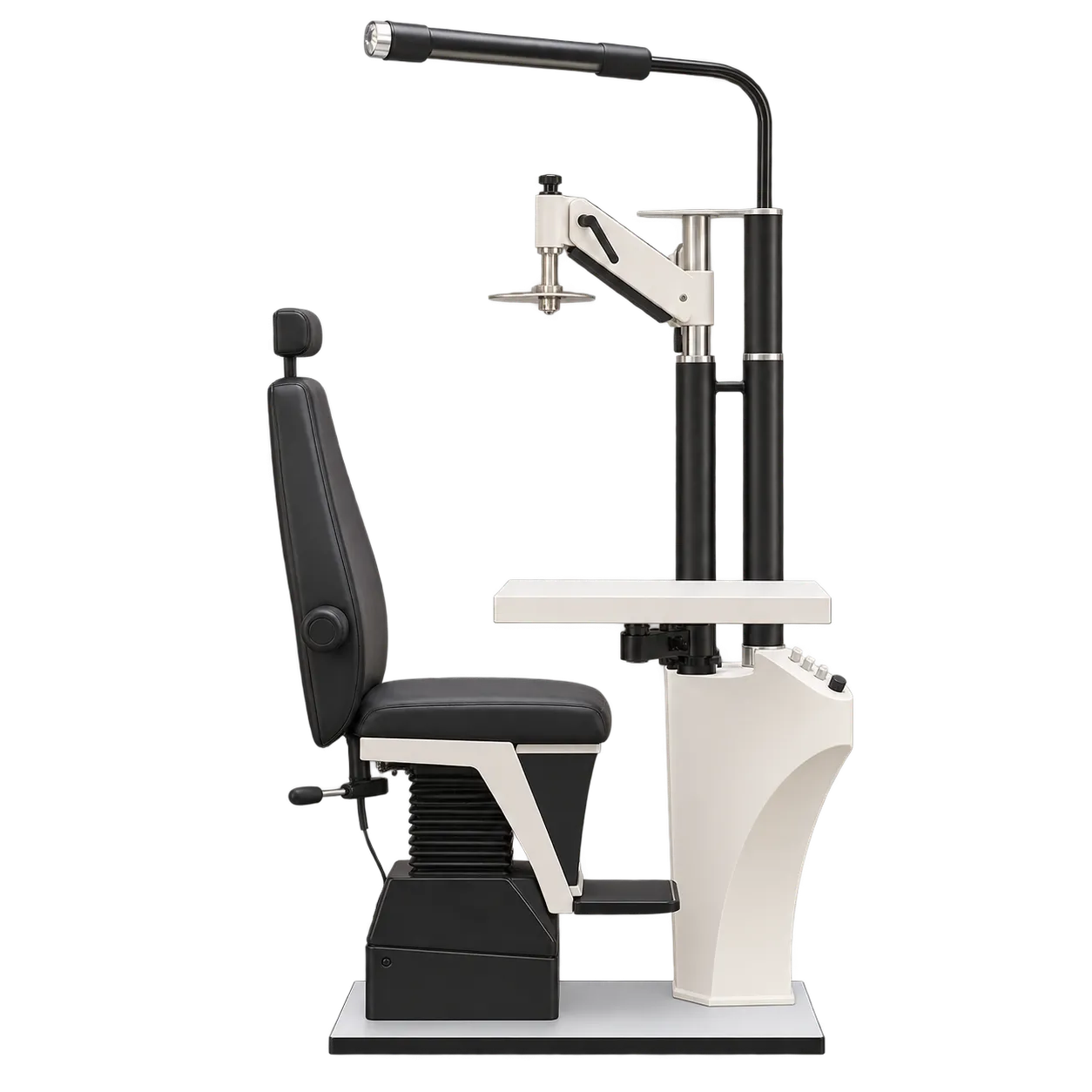
Practices commissioning a fit-out benefit before the unit is even delivered. An installation is quoted and booked in advance, and an electrician asked to fit equipment needs the supply, the protection rating and the wire rating to specify a circuit and price the work. Given only a lamp wattage — which is all most units in this category publish — they either estimate or attend twice. A datasheet stating 110V/220V AC, 55 W engine power, a 5 A 250 V fuse and a 10 A 250 V main wire lets the brief be written once and correctly.
Compliance files are served by the same detail. A 2 kV pressure test result and an S1 continuous duty classification are the kind of figures an equipment register or a procurement review asks for, and having them published rather than requested is a practical saving for anyone maintaining that documentation.
Rooms with variable conditions suit the stated envelope. Operation from −10 °C to +40 °C at under 90% humidity covers an unheated consulting room overnight and a poorly ventilated one in August — circumstances that arise in converted premises far more often than equipment specifications acknowledge.
Patient positioning gains from two features unique in this range. The pillow adjusts up to 150 mm, so head position is set to the patient rather than fixed at manufacture, which matters during sustained slit lamp work. And the backrest is specified as a 90° to 135° obliquity range rather than a single maximum, so the upright end is genuinely upright for patients who cannot recline.
One figure belongs squarely in the decision rather than a footnote: chair loading is 150 kg, materially below the 200–250 kg stated elsewhere in this range. That constrains the accessible caseload, and it should be weighed openly against the electrical and positioning advantages.