
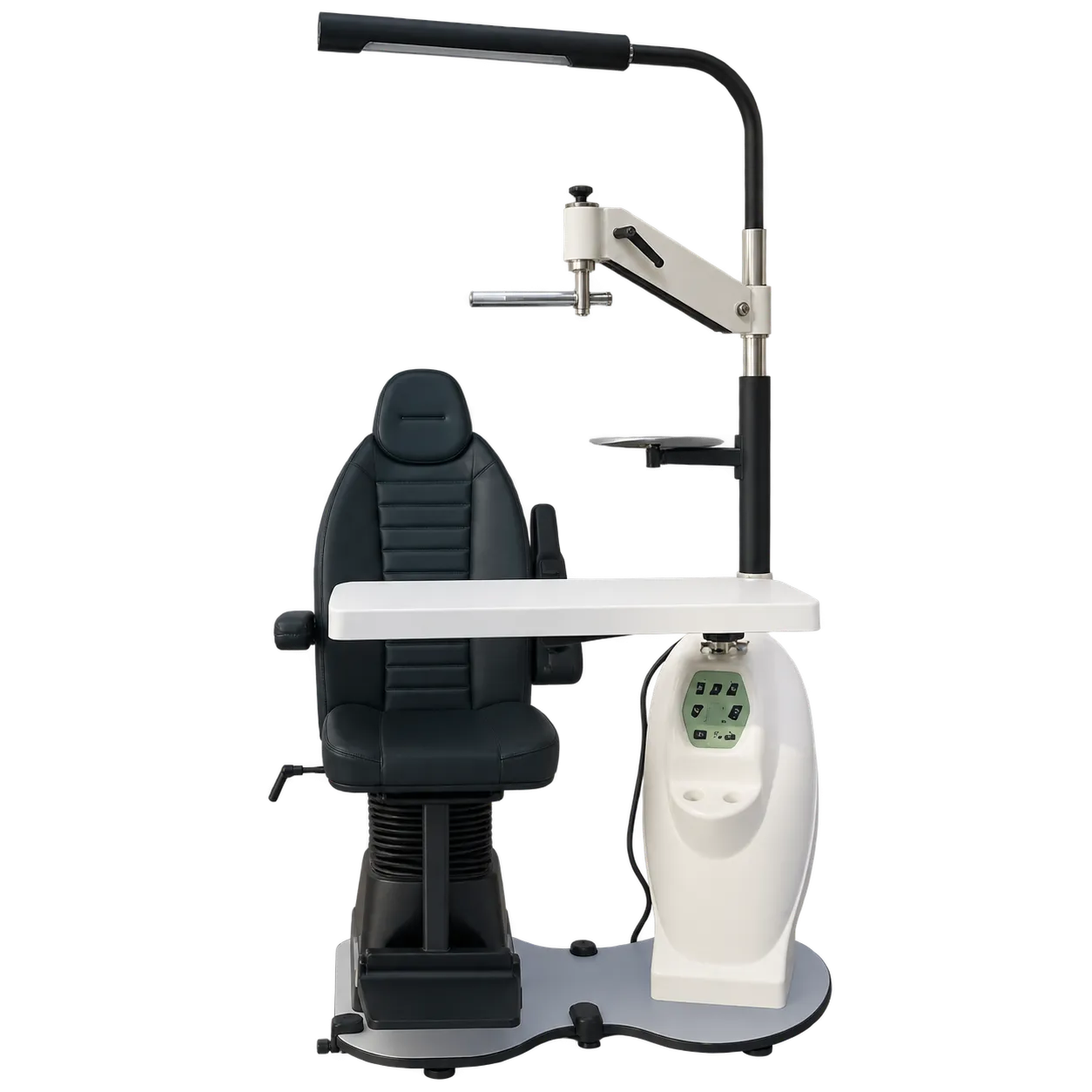
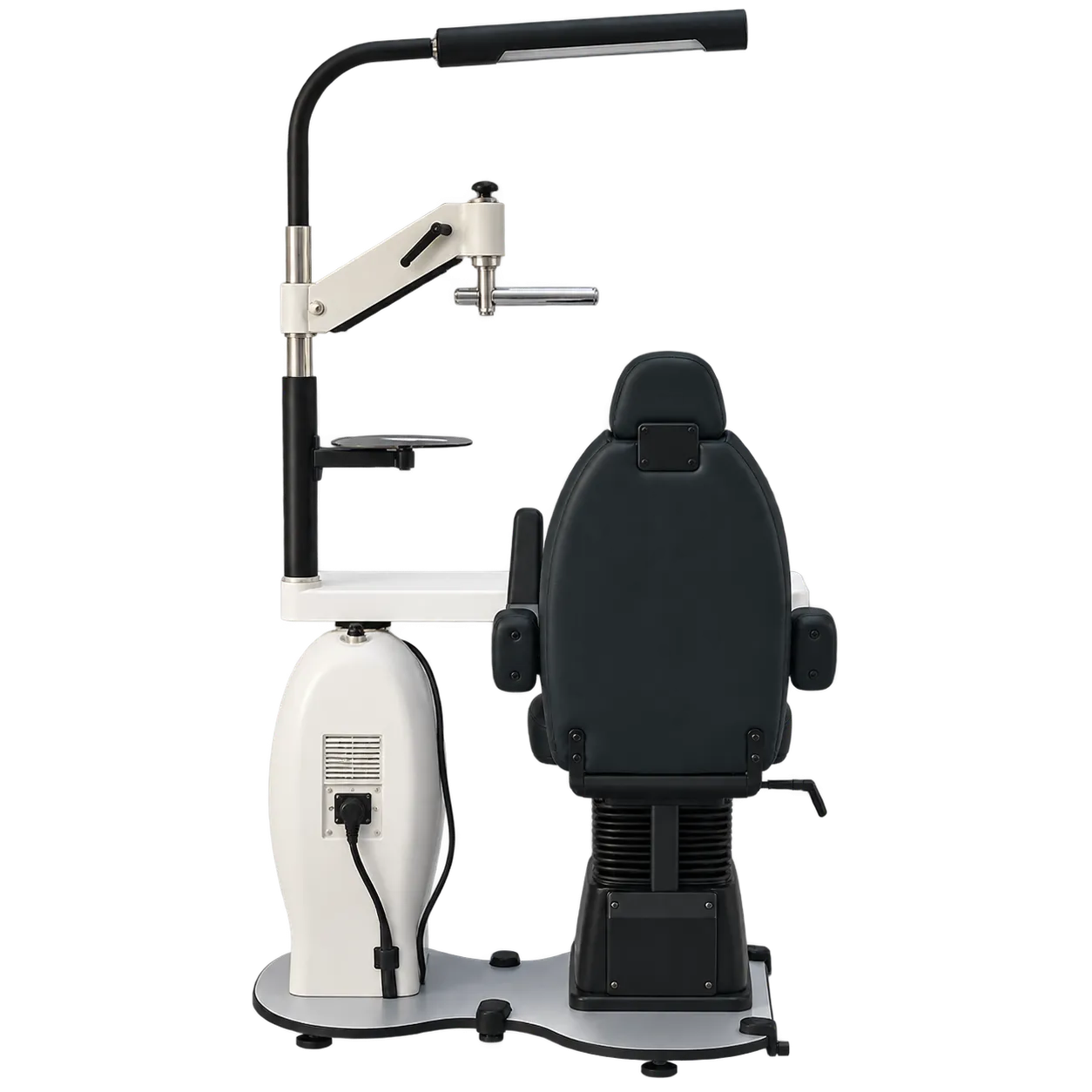

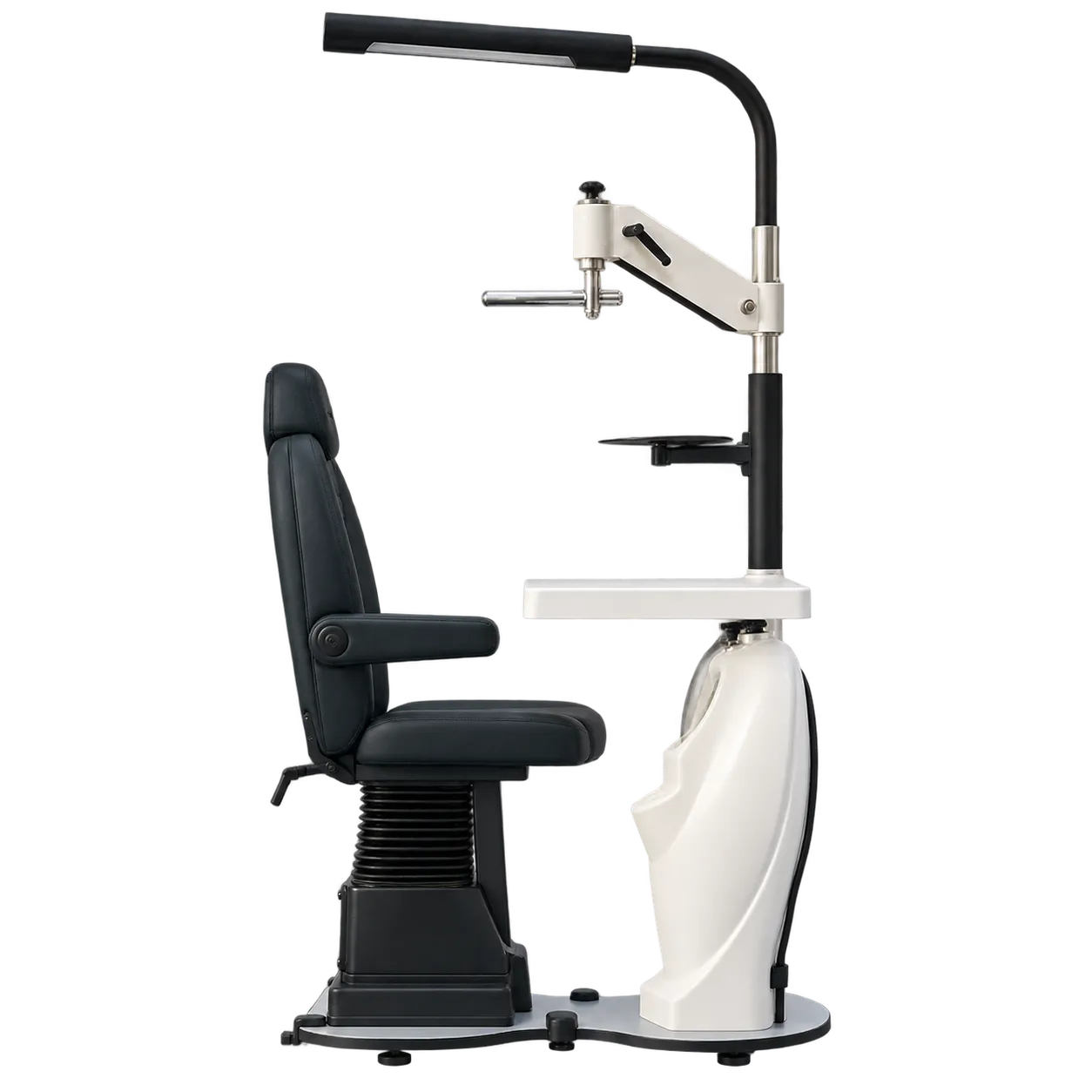
High-throughput rooms are the fit. A consulting room unit takes constant low-level handling — patients gripping the cabinet edge as they sit and stand, bags and coats brushing past, trolleys and chair bases catching the plinth, cloths passing over the same surfaces several times a day. None of it damages the unit and all of it shows, so on a pale finish the accumulation is visible within months rather than years. A charcoal finish absorbs the same handling without displaying it.
Practices with occasional rather than regular cleaning routines benefit for the same reason. The honest framing is that a dark finish does not need less cleaning — it looks acceptable for longer between cleans, which is a practical difference in a busy room but should never become a reason to clean less often. Infection control requirements do not change with colour.
Patient impression is the commercial argument. The consulting room is frequently the only part of a practice a patient sees properly, and furniture that looks tired communicates something nobody intended. Equipment still reading as new in its third year is doing quiet work on that impression, and it is the cheapest work available.
The higher-output 40 W lamp partly offsets the light a darker cabinet absorbs.
Two things belong in the decision. A dark cabinet returns less ambient light than a pale one, so a small or internal room will read slightly smaller and darker — where the room is genuinely tight or windowless, the pale sibling is the better choice and this page is the wrong recommendation. And upholstery materials are unpublished for all three SKUs, which matters for durability as well as for approved cleaning agents.