
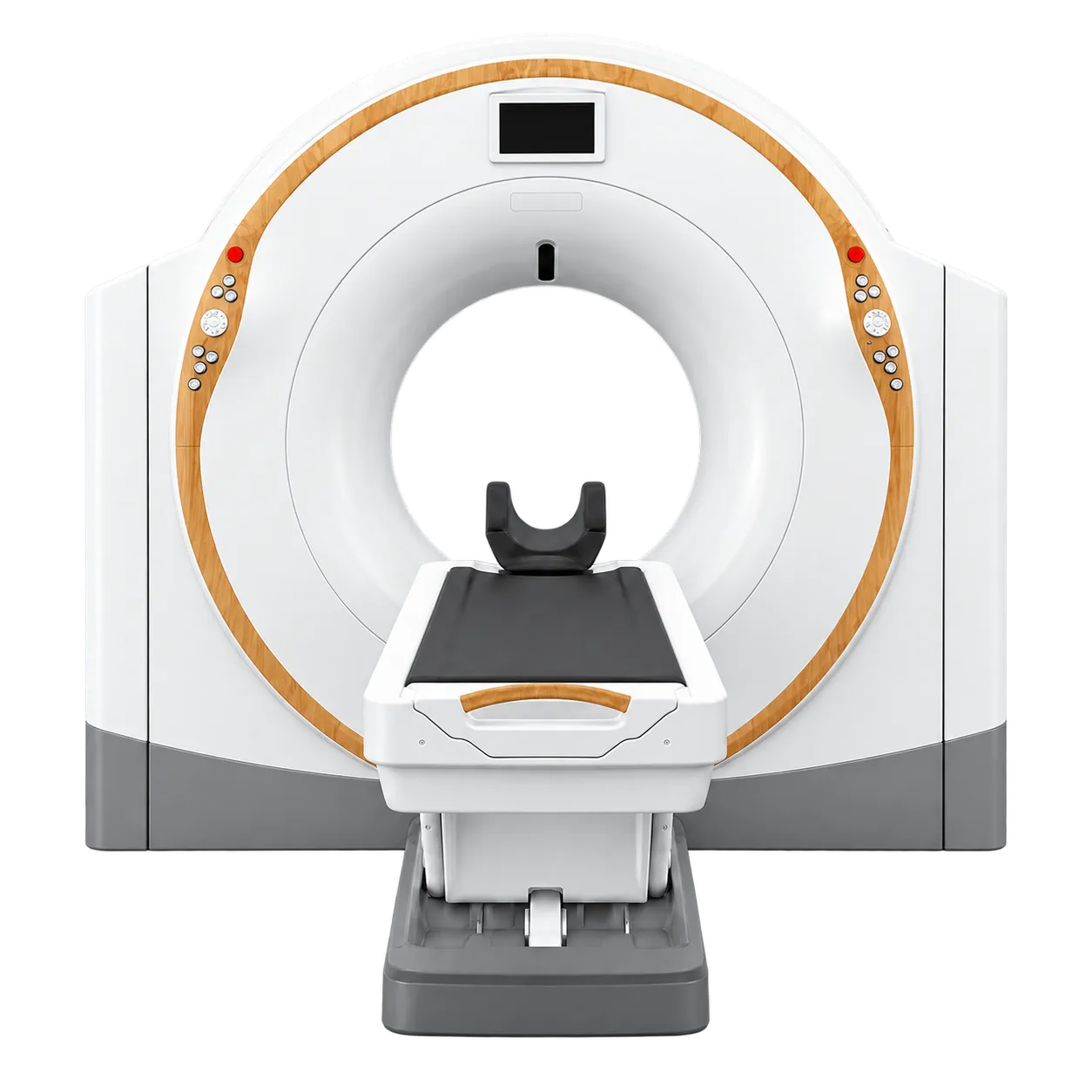
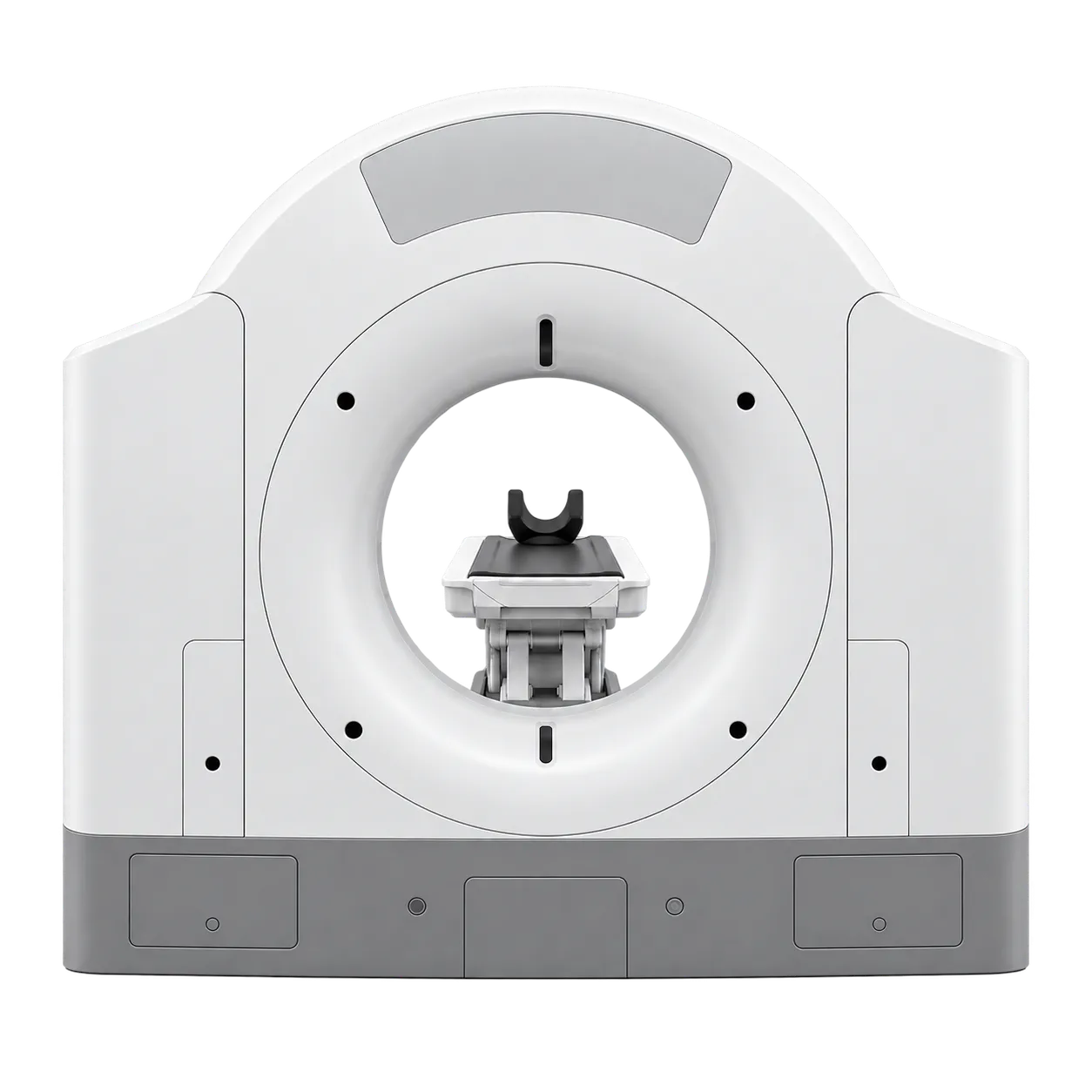
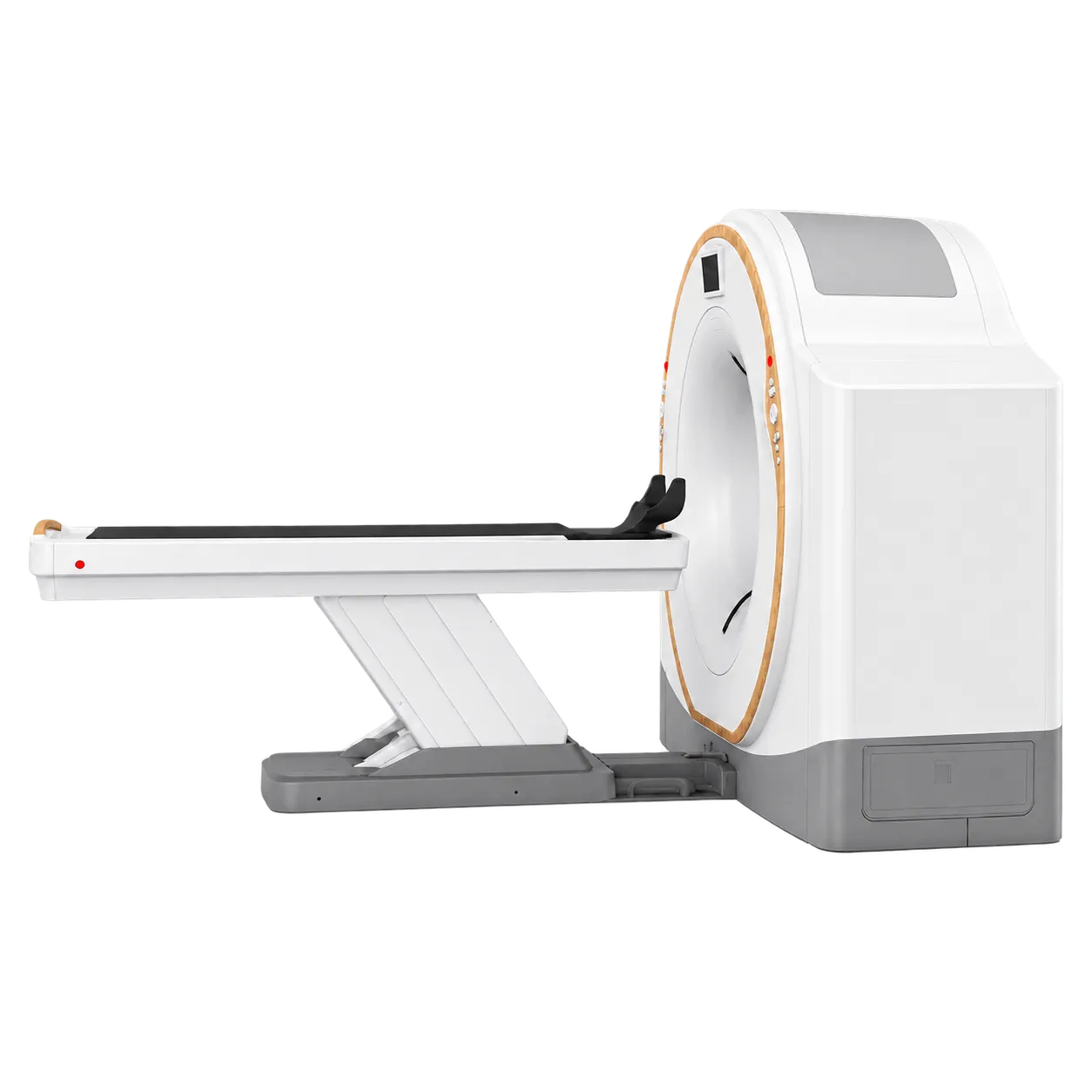
General and fever clinic screening is a common application for this system, consistent with Visionstar's own positioning of the XCT1600 and for use outside a fixed hospital radiology department. Physical examination centres are a second application, where one-touch operation and preset scanning modes are intended to support fast, standardised throughput across a high volume of routine studies.
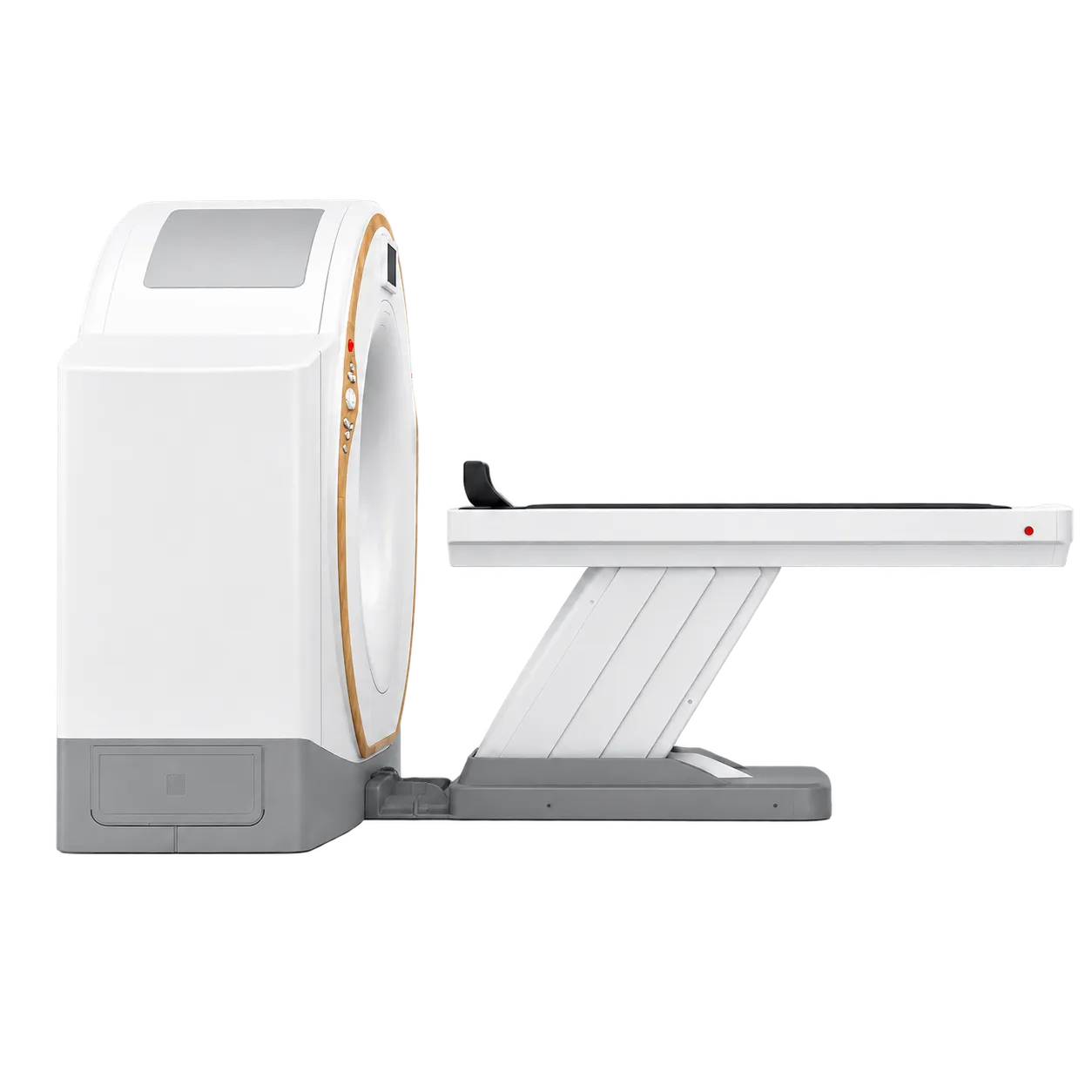
Mobile medical care is a third application. Visionstar's own material specifically lists this as an intended use scenario, pointing to a platform designed for deployment beyond a fixed installation site rather than a permanently sited hospital scanner. Paediatric imaging is a fourth application, supported by the dedicated child protection dose agreement and an automatic lifting bed that lowers to 460mm, reducing the handling needed to position a child in a wheelchair or on a transfer bed before a scan.
Visionstar's own clinical image examples also show abdominal, thoracic, and neurological imaging, including liver, chest, and head studies consistent with general diagnostic CT use. Across these settings, automated VMA adjustment and smart model calibration are both intended to tailor radiation dose to each patient's individual body shape and size, which matters most where a single system serves widely varied patient groups, from children to adults, rather than one consistent caseload. The dual-domain noise reduction algorithm is intended to support this by preserving image quality even as dose is adjusted downward for smaller patients.
These applications reflect Visionstar's own product positioning rather than independently confirmed clinical outcome or throughput data. Clinics considering this system for a specific setting should request outcome data directly from Visionstar before making a purchasing decision.