

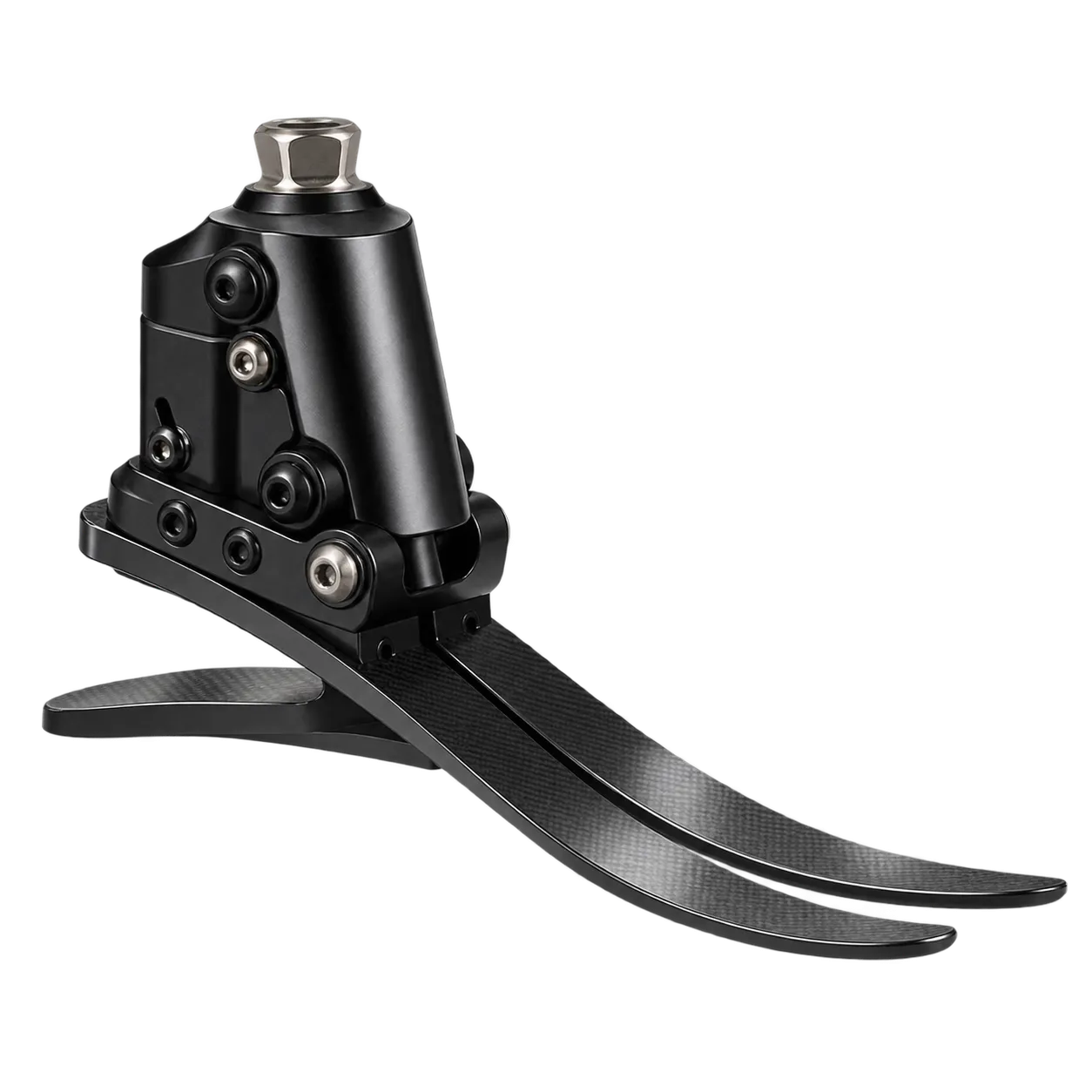
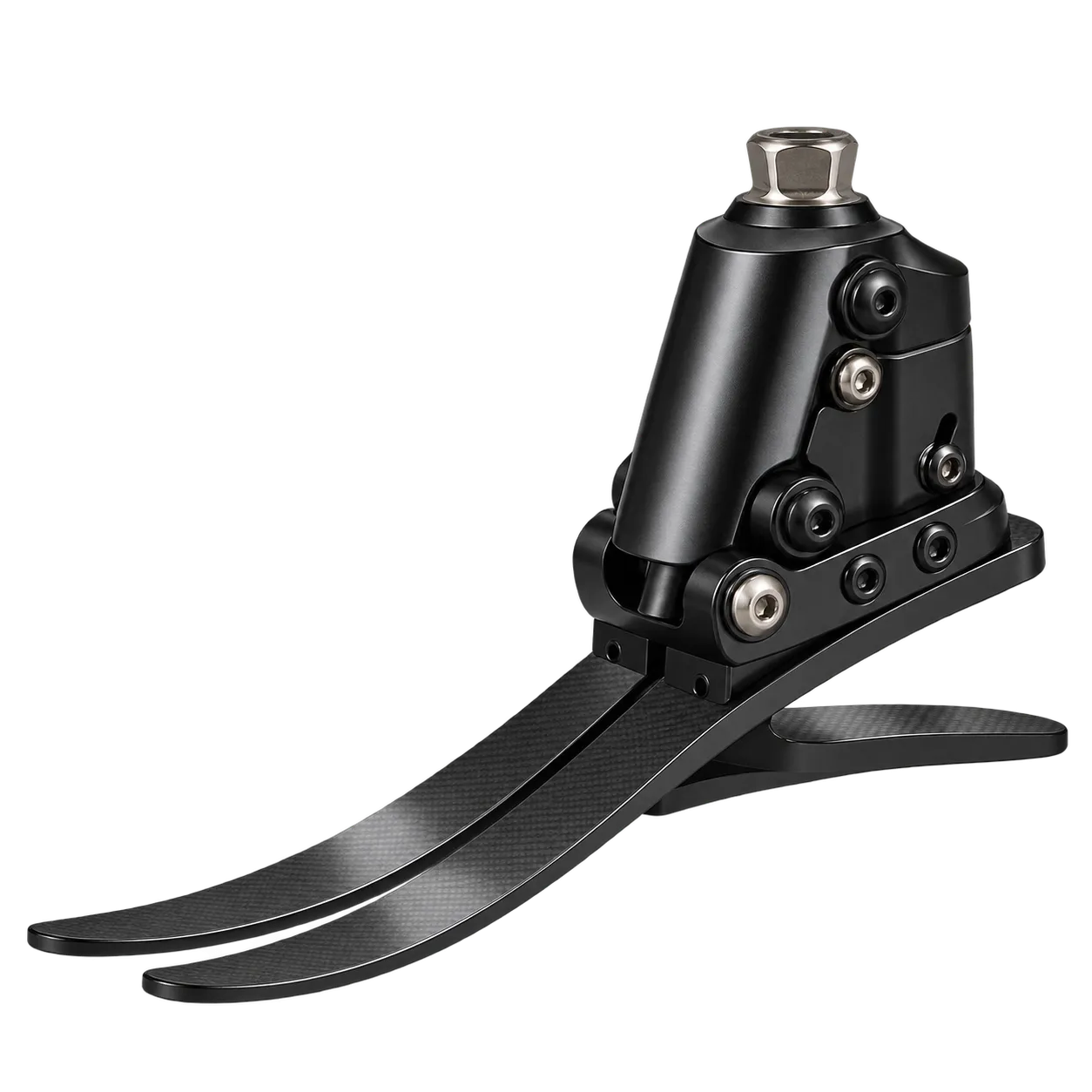
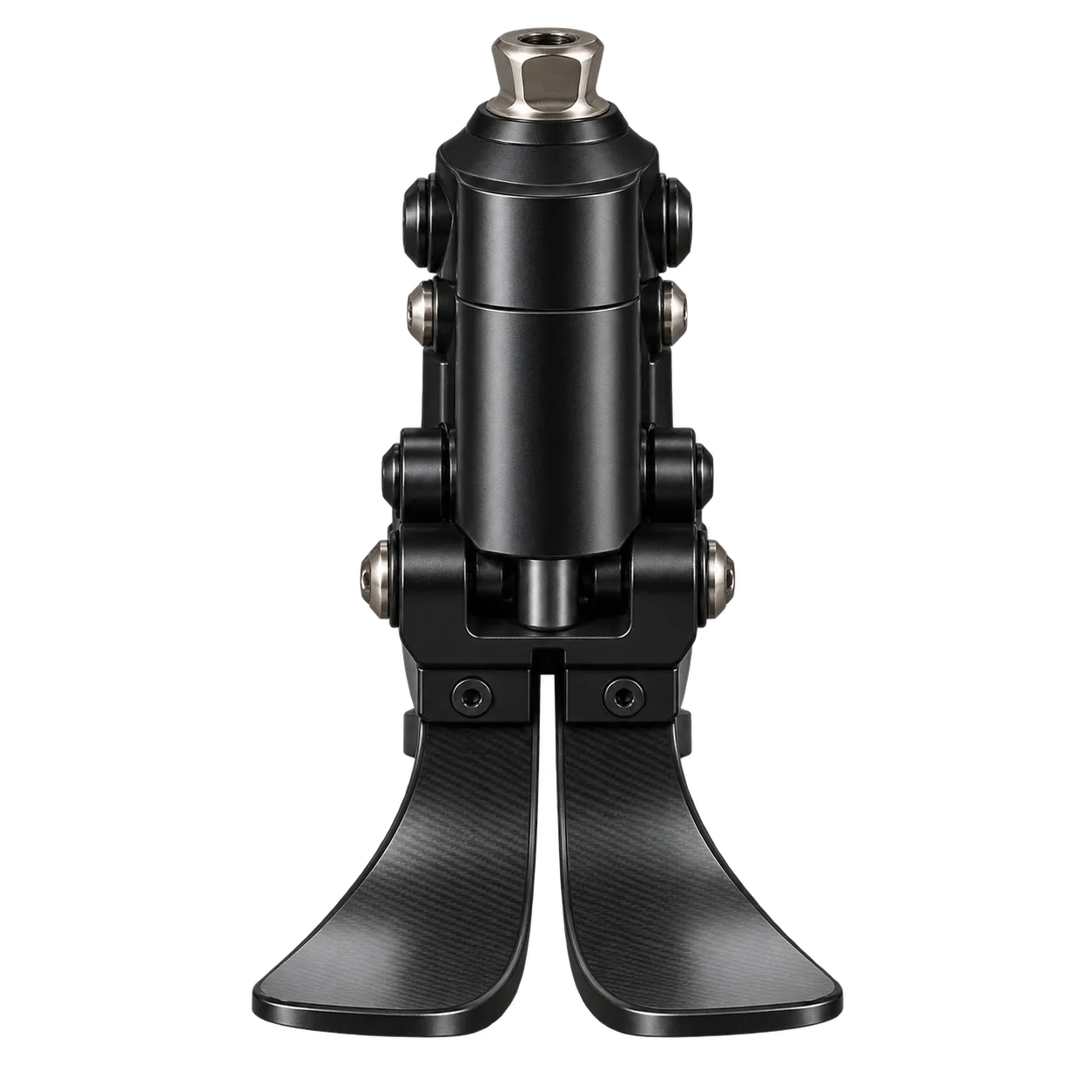
Prosthetic clinics assess ankle-motion feet differently from plain carbon keels, because the mechanism adds both capability and service requirements. The 1CF-BL-EVAC gives clinicians a hydraulic option to consider for wearers who spend time on varied ground. Confirmed load range, structural height and service intervals let the team judge whether it fits the wearer and the clinic's follow-up capacity. Medigear.uk supplies those details in writing along with certification records.
Rehabilitation services may see a difference in how wearers manage slopes and uneven surfaces with a damped ankle. Therapy teams can use that during gait work, watching how the wearer loads the foot through the step and how the ankle settles on a slope. Any change in the ankle's behaviour during a therapy block should be reported to the prosthetist. Medigear.uk can supply manufacturer documentation to support a service's review.
Workshops and distributors handling mechanical feet need clarity on parts and servicing as well as fit. The pyramid connector suits standard modular assembly once its format is confirmed. Service intervals and spare parts arrangements are agreed with the factory before supply, which matters for a hydraulic component. Medigear.uk arranges volume terms, OEM branding and ODM work.
In daily life, a damped ankle is most noticeable on ramps, kerbs and uneven paths rather than on flat floors. Wearers should keep to the prosthetist's review schedule so the mechanism stays in good order. Unusual noise, stiffness or free movement is worth reporting early rather than waiting for the next scheduled appointment. Medigear.uk supports wearers and families ordering with their clinical team's guidance.