
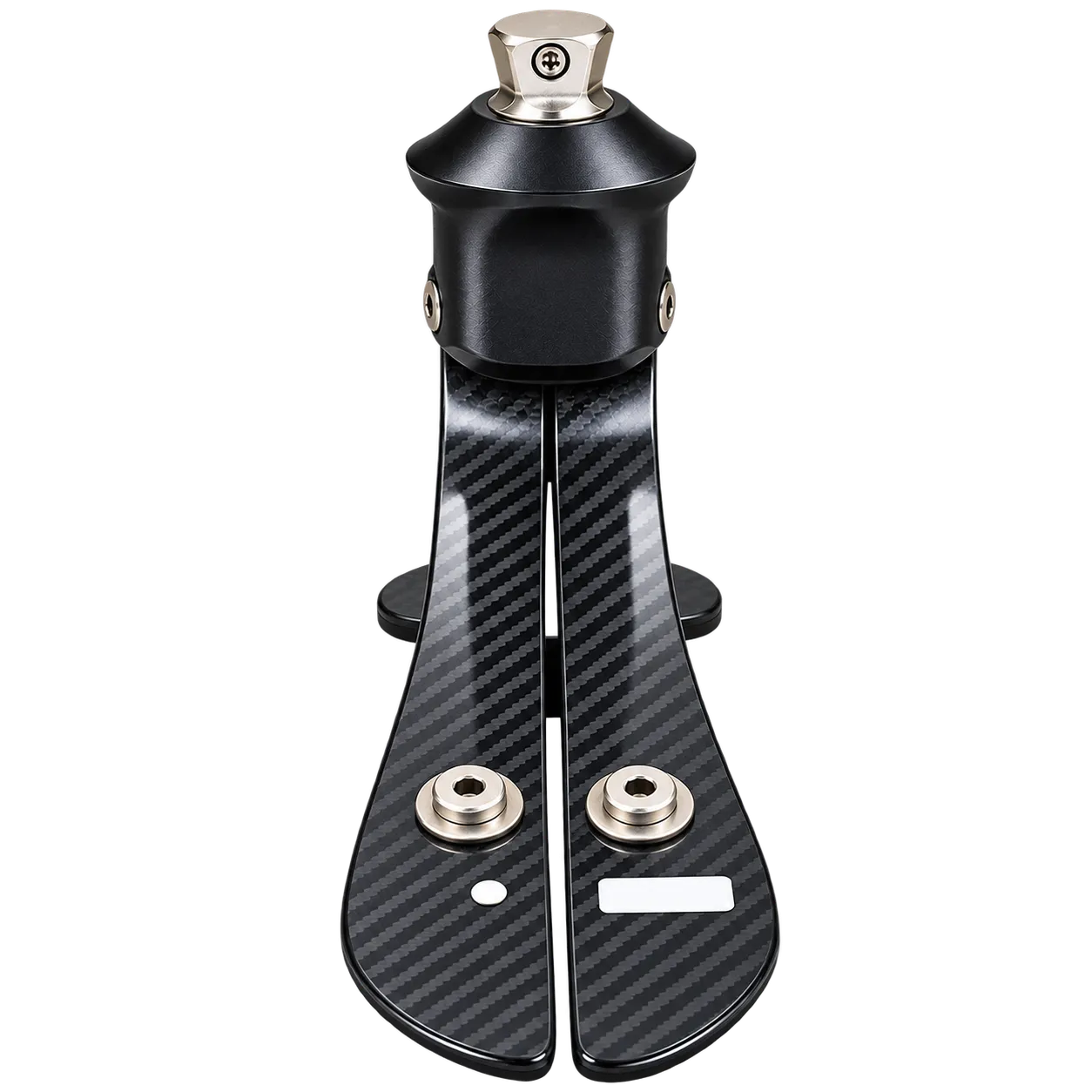
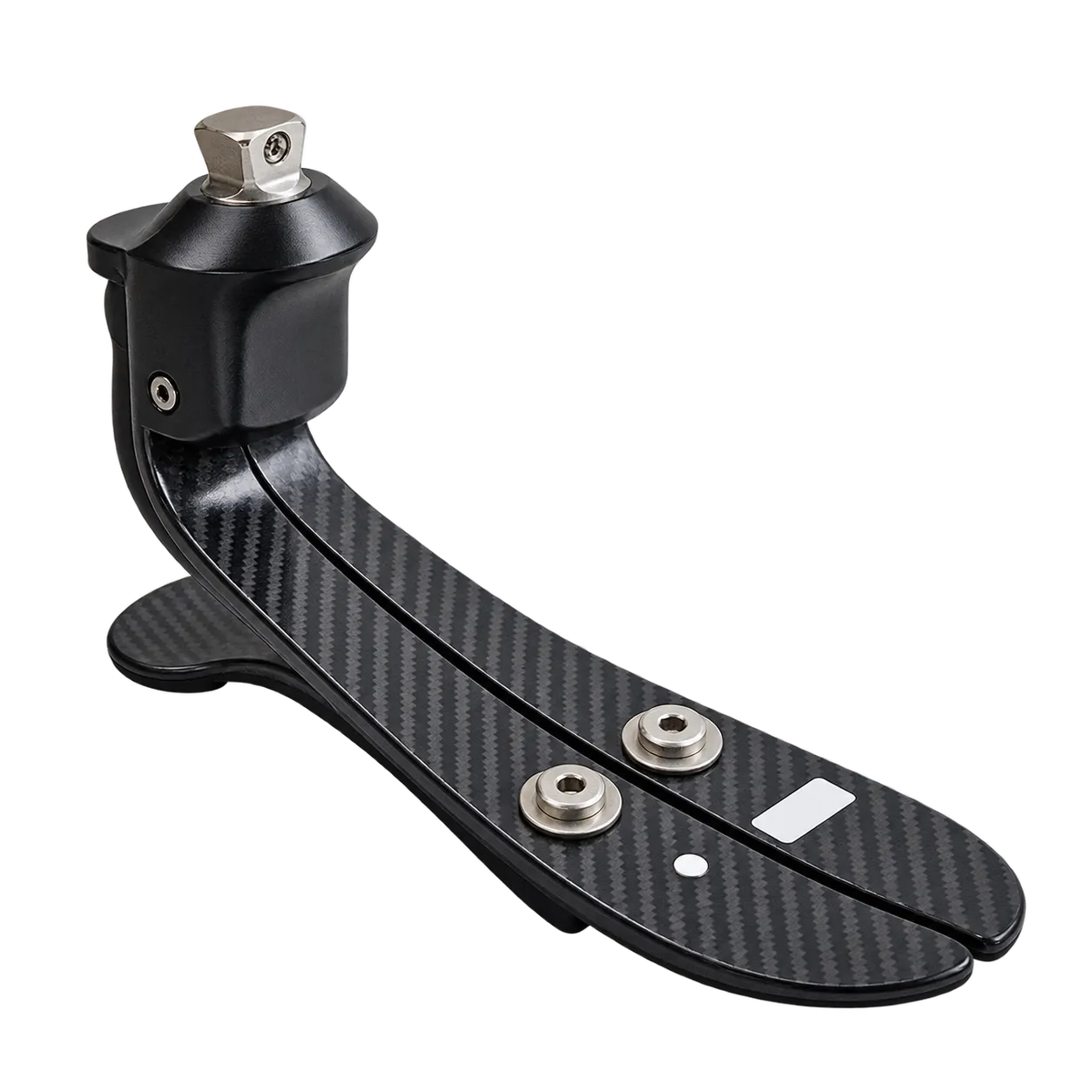
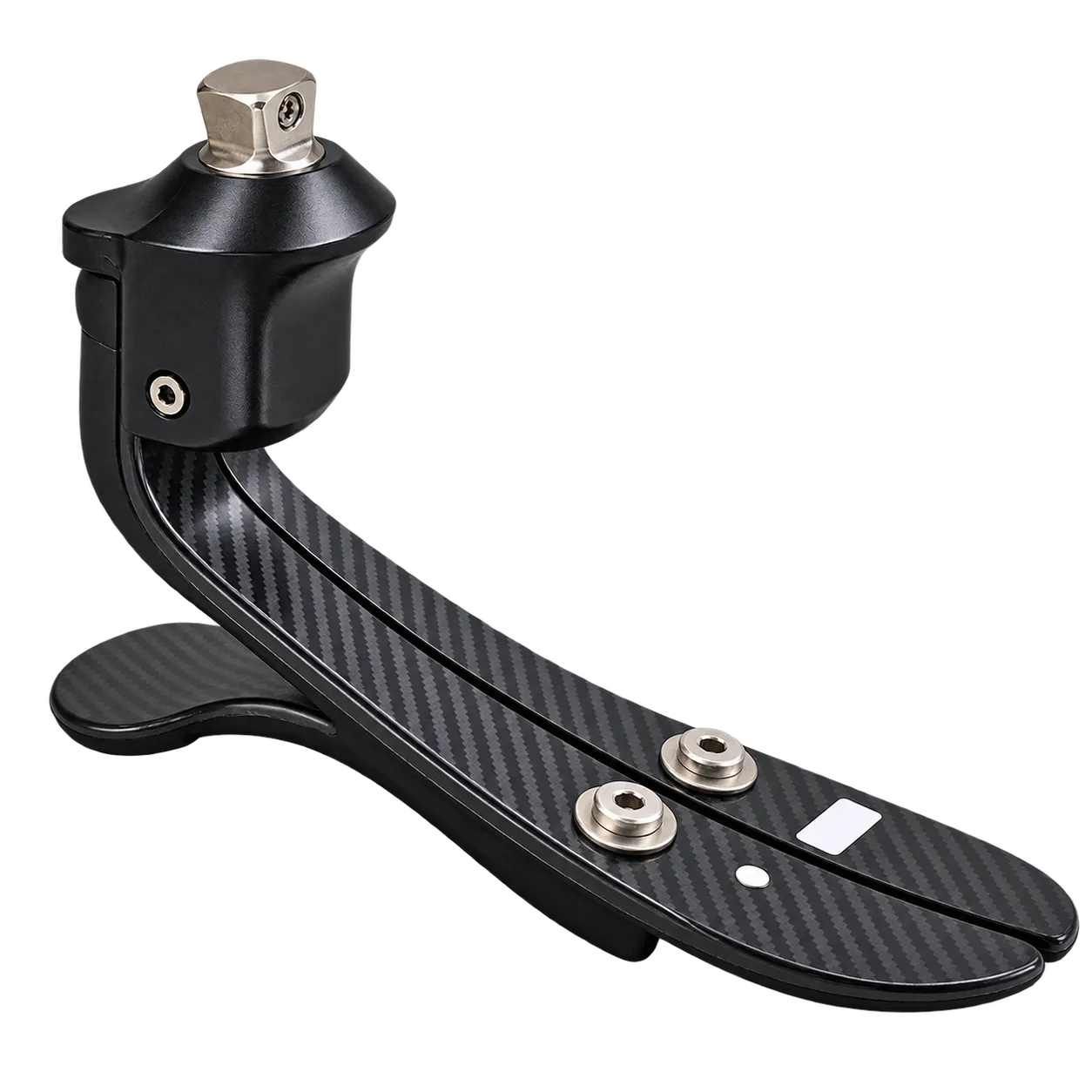
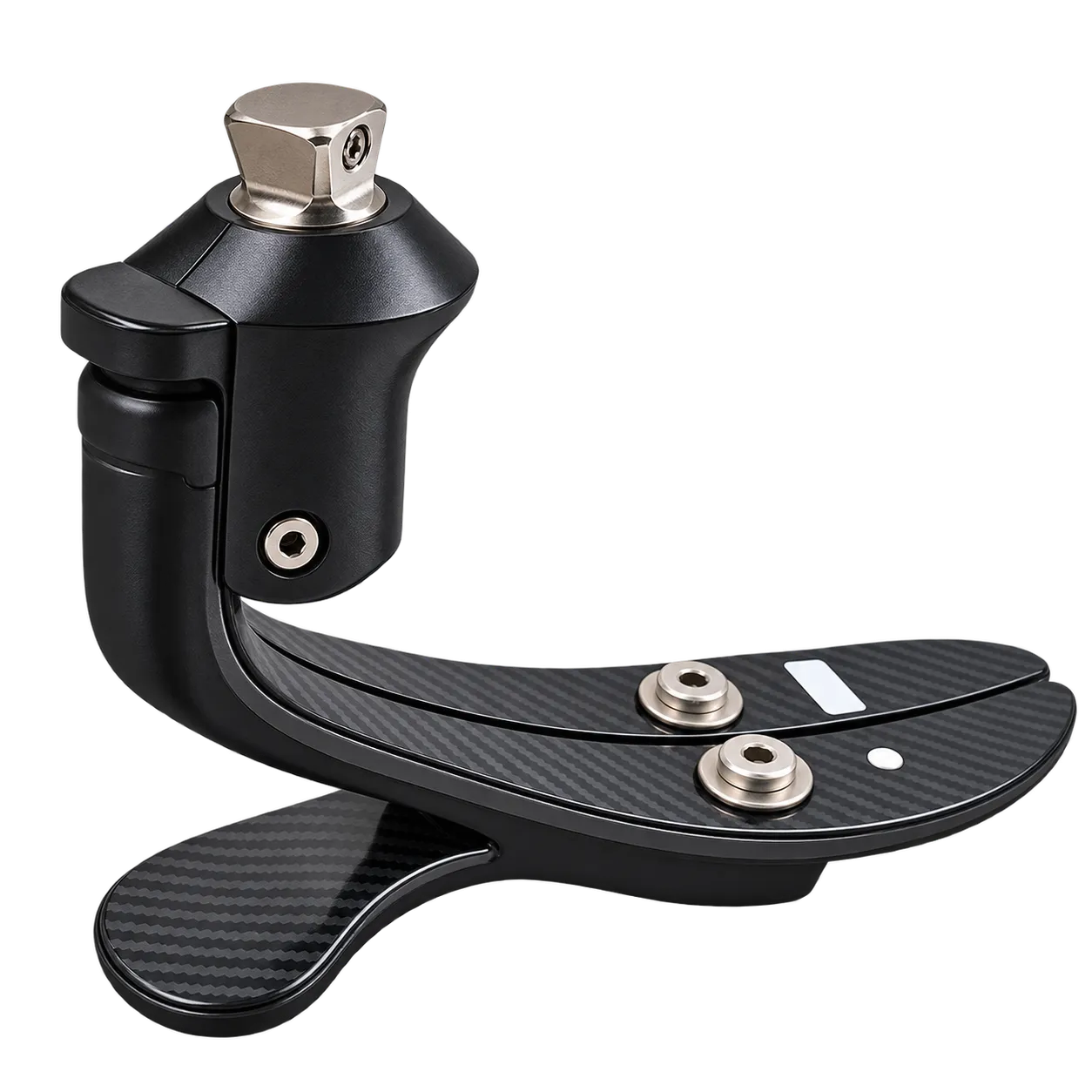
Prosthetic centres and limb-fitting services managing users through progression are the main users. The 70 to 146 kg rating and K1 to K3 range let a service fit one foot early and keep it as the user moves from home walking to community walking, provided the stiffness suits. The intended amputation levels are not stated, so confirm them before adding the foot to a fitting protocol.
Services under pressure on clinic time benefit most. Each foot change costs a prescription review, an order, a fitting and an alignment session. A foot that covers the user's expected progression reduces the number of those episodes, and the saving grows across a caseload.
Rehabilitation units fitting a first definitive prosthesis can use it for users expected to progress, recording activity level and stiffness at each review so that any change is planned. Walking trials at home pace and community pace show whether the stiffness suits both. Recording the stiffness fitted at each stage builds a clear picture of when, if ever, a change is needed.
Charitable limb programmes with limited clinic capacity can reduce return visits by fitting a foot rated across the user's likely range. Export buyers should confirm sidedness, the full size list, stiffness options and foot shell supply before placing a multi-size order.
The foot is not suited to users below 70 kg or above 146 kg, to children, to K4 users or athletes, or to users without room beneath the socket for a high ankle. The conformity documentation those procurement routes require is issued by the manufacturer and provided by the seller.