
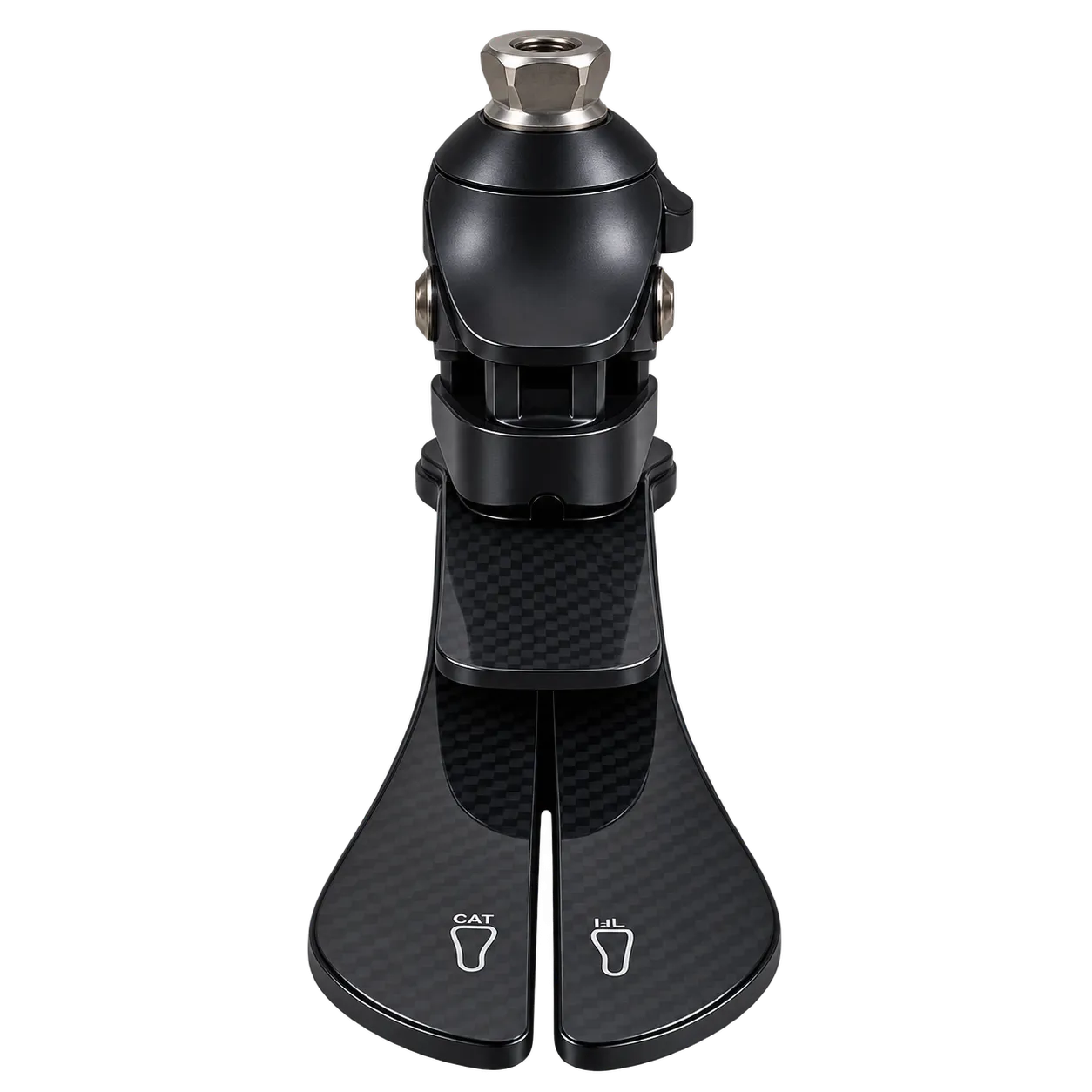
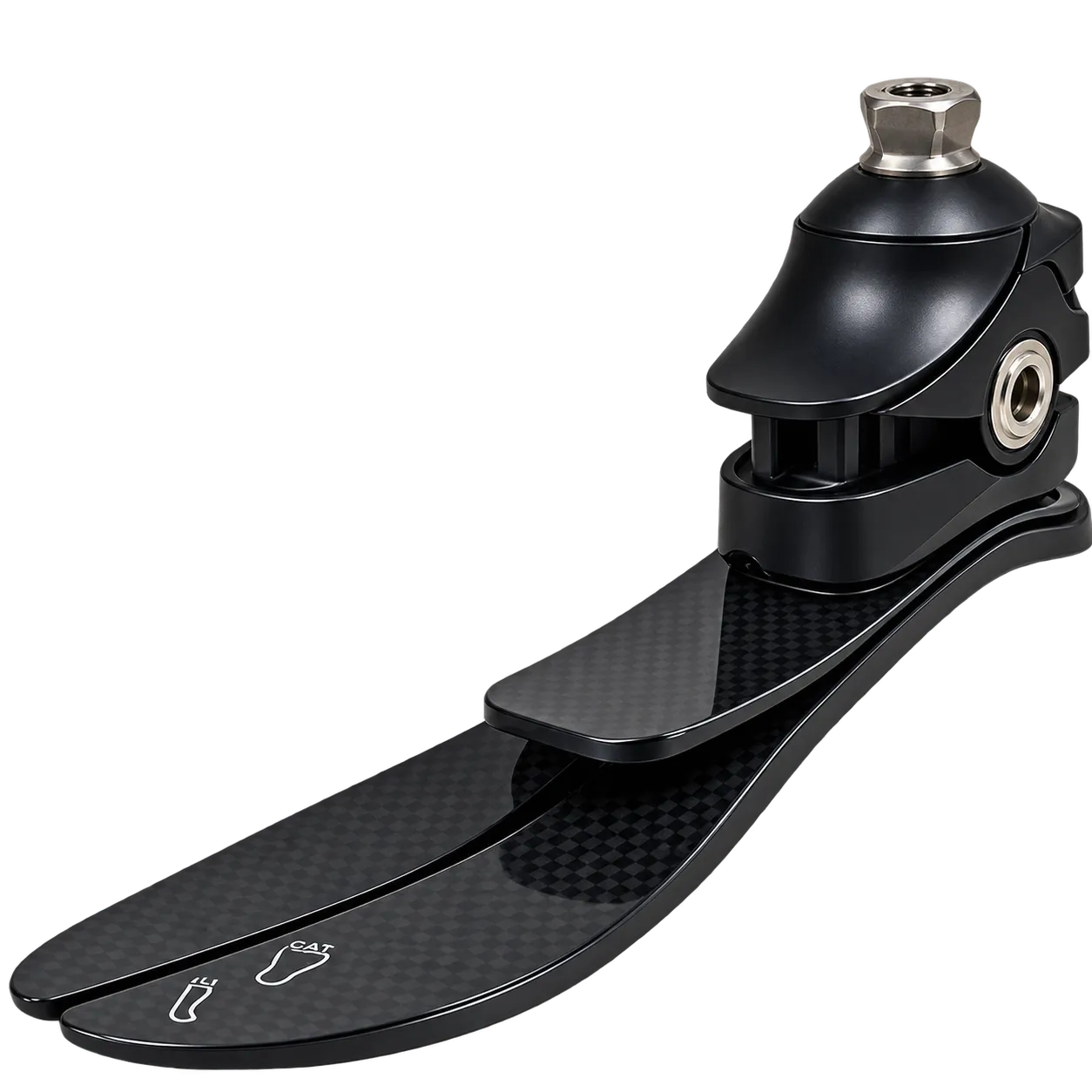


Prosthetic centres and limb-fitting services seeing working-age adults are a natural setting. The 70 to 125 kg rating and 22 to 30 cm size range describe a broad group of adults at K1 to K3, and the low ankle suits users with limited clearance beneath the socket. The intended amputation levels are not stated, so confirm them before adding the foot to a fitting protocol.
For users returning to work, build the walking trial around their actual tasks. Standing still, turning on the spot, carrying and short walks on hard floors all load a foot differently, and the notes should record how each felt.
Vocational rehabilitation teams can use the trial record when discussing workplace adjustments. The foot is one part of the picture; seating, flooring and breaks are others.
Charitable limb programmes and export buyers should confirm the construction, materials, sidedness and the full size list in one written answer before placing a multi-size order.
Users who work shifts on hard floors may report fatigue or discomfort at the end of the day that does not show in a short clinic trial. A follow-up call after the first working week, and a review at four to six weeks, gives the prosthetist a chance to adjust alignment or shell fit while the user settles into the routine. Record what changed and why.
The foot is not suited to users below 70 kg or above 125 kg, users above K3, or children. The conformity documentation those procurement routes require is issued by the manufacturer and provided by the seller.