

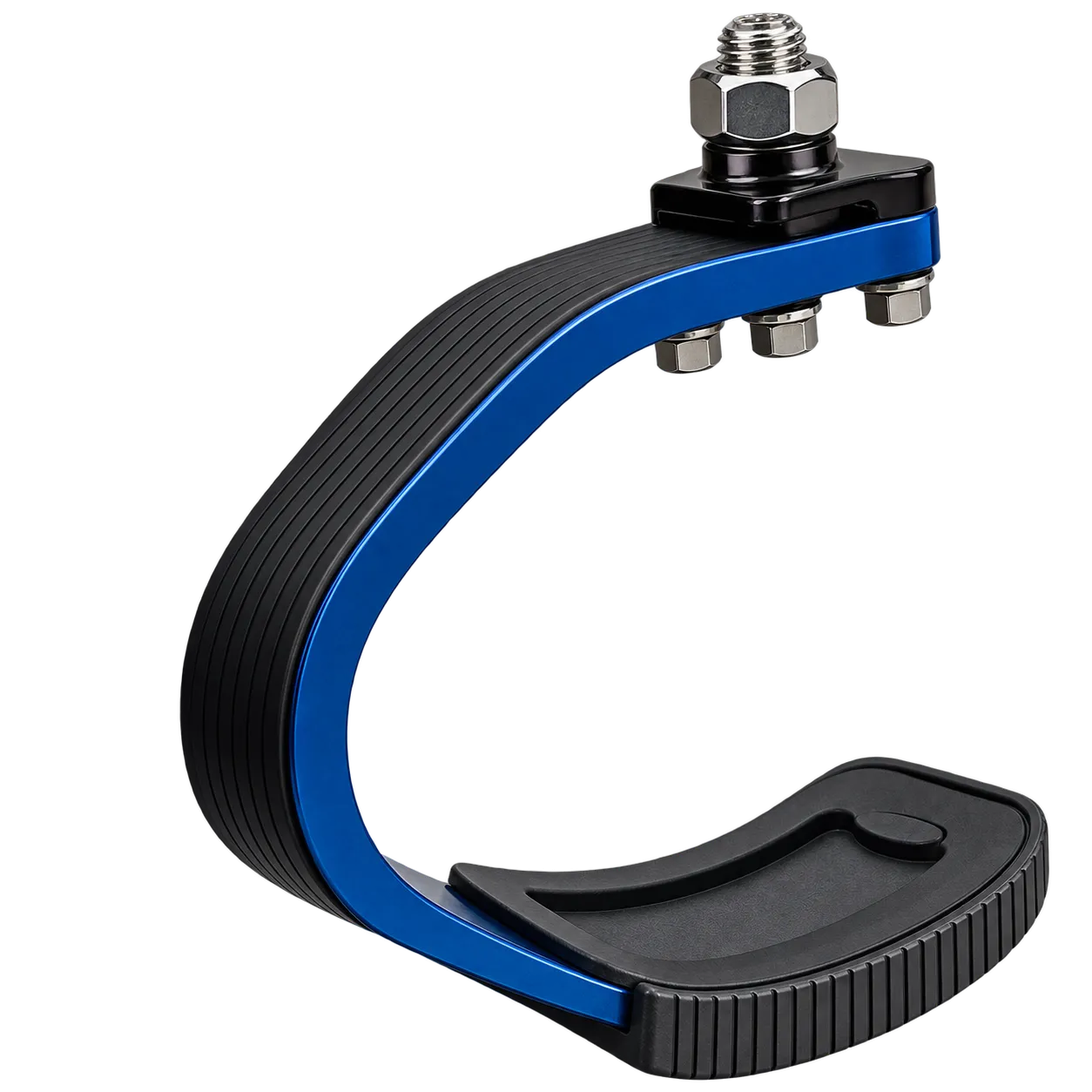
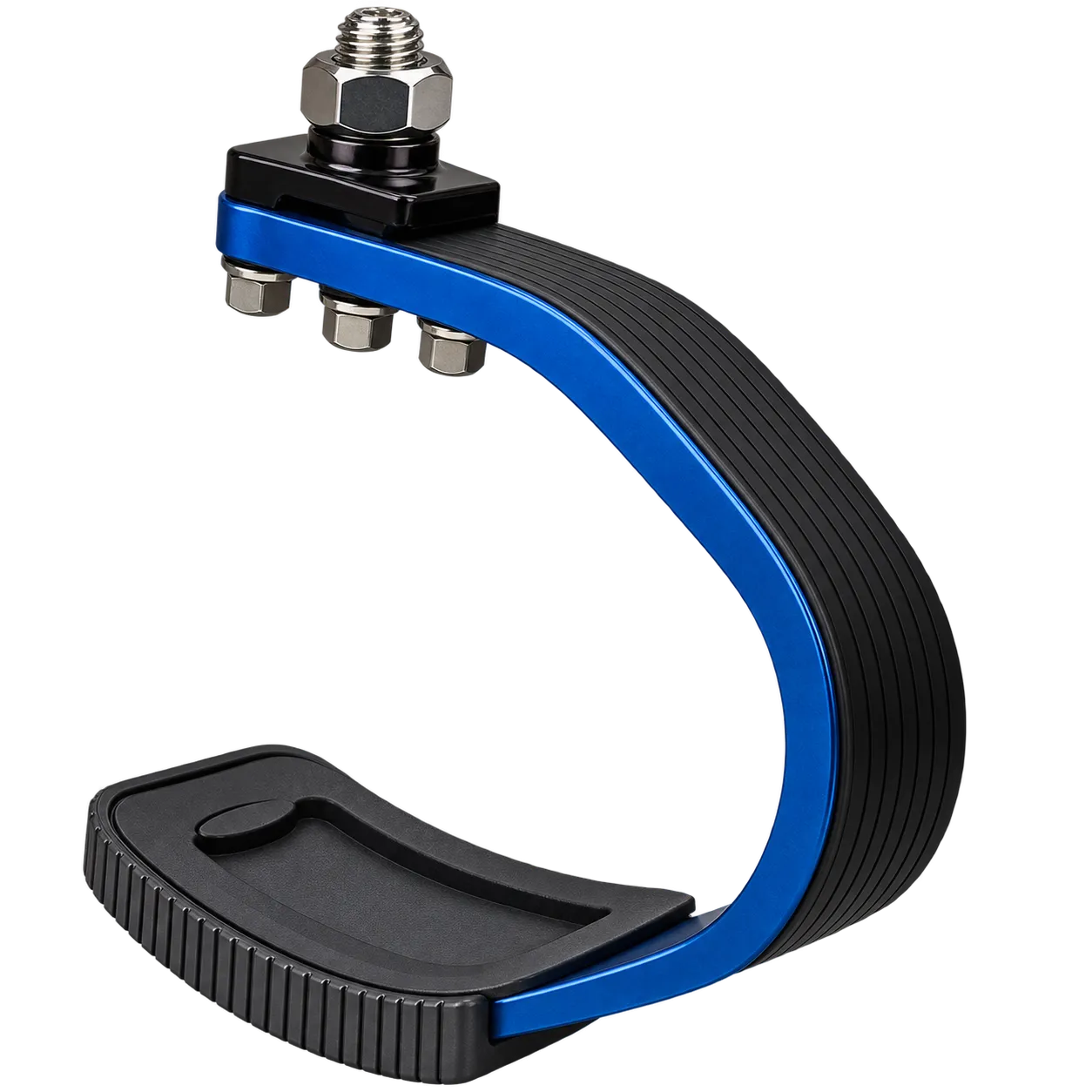
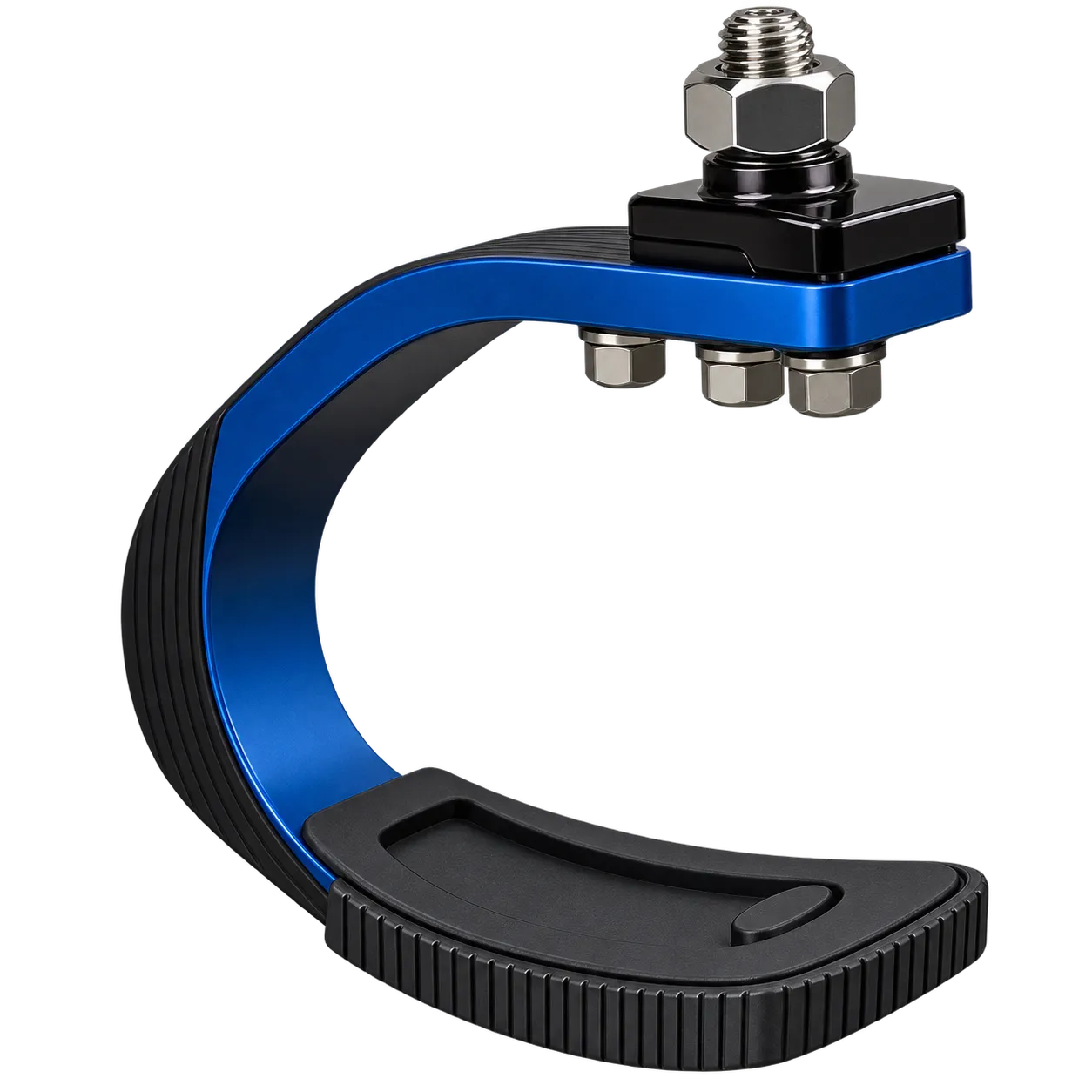
Prosthetic centres and limb-fitting services with sports rehabilitation experience are the right setting, once the activity rating has been explained. The 70 to 125 kg rating and lengths to 30 cm describe adults, and the intended amputation levels are not stated, so confirm them before adding the foot to a protocol.
Before any trial, obtain the seller's written explanation of the K1 to K3 rating and a test report at running loads. File both with the user's notes.
If a trial goes ahead, keep it supervised, on a flat surface and short, with a walking foot available afterwards. Record the user's comments and any concerns about the blade or sole pad.
Community sports programmes and export buyers should confirm the rating, colour and sole pad supply in one written answer before ordering.
Programmes introducing adults to recreational running should also plan a separate walking foot for daily use, since a running blade is not designed for everyday walking. Confirm how the running blade attaches to the user's socket and how long a change between feet takes. Record every running session in the early weeks, including distance, surface and any discomfort, and review the blade and sole pad after each one.
Where the user also takes part in club or school sport, involve the coach in the handover, so warm-up, session length and early signs of discomfort are understood by everyone supervising. Share the seller's written answer on the activity rating with them.
The foot is not suited to users below 70 kg or above 125 kg, children, or unsupervised running until the rating is confirmed. The conformity documentation those procurement routes require is issued by the manufacturer and provided by the seller.