
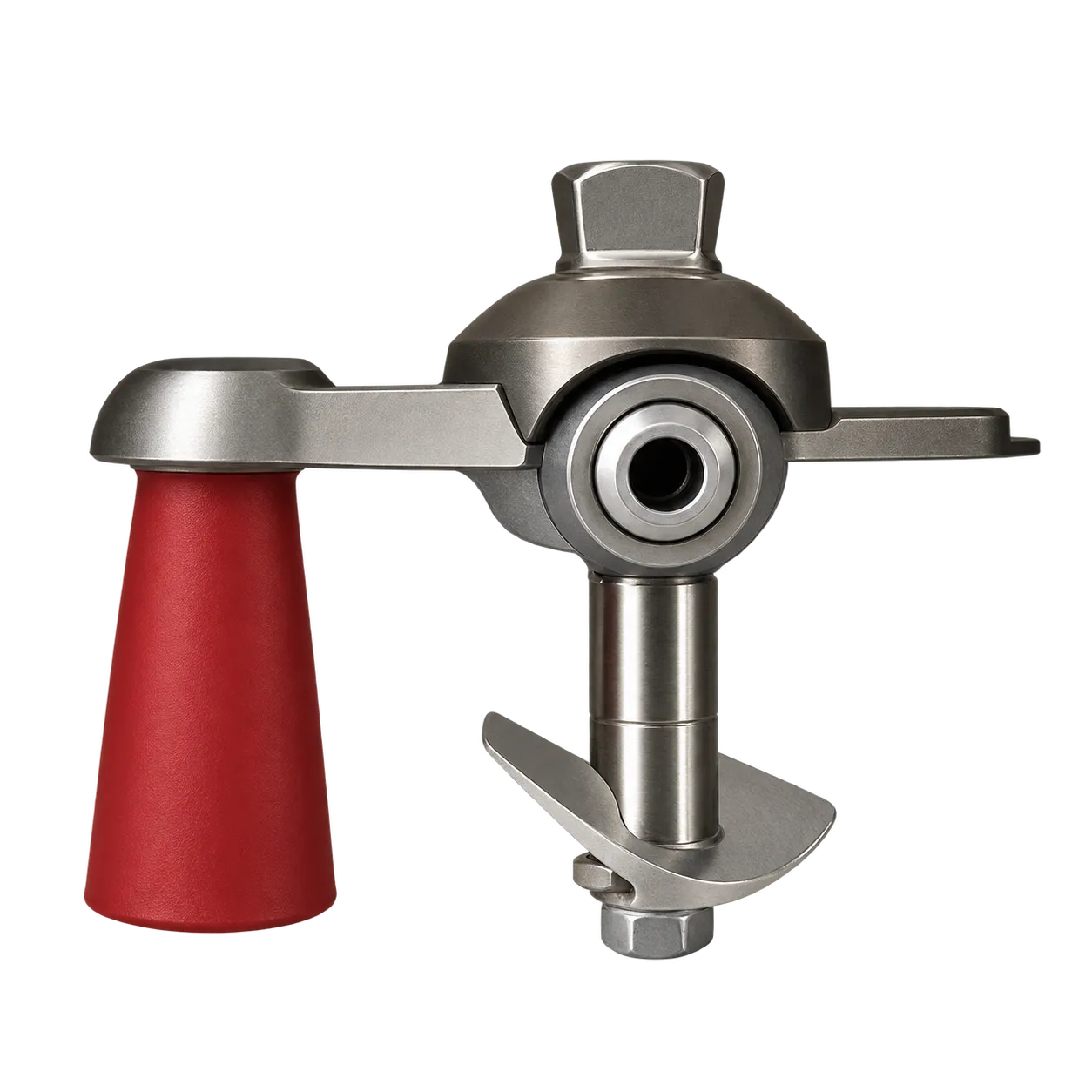
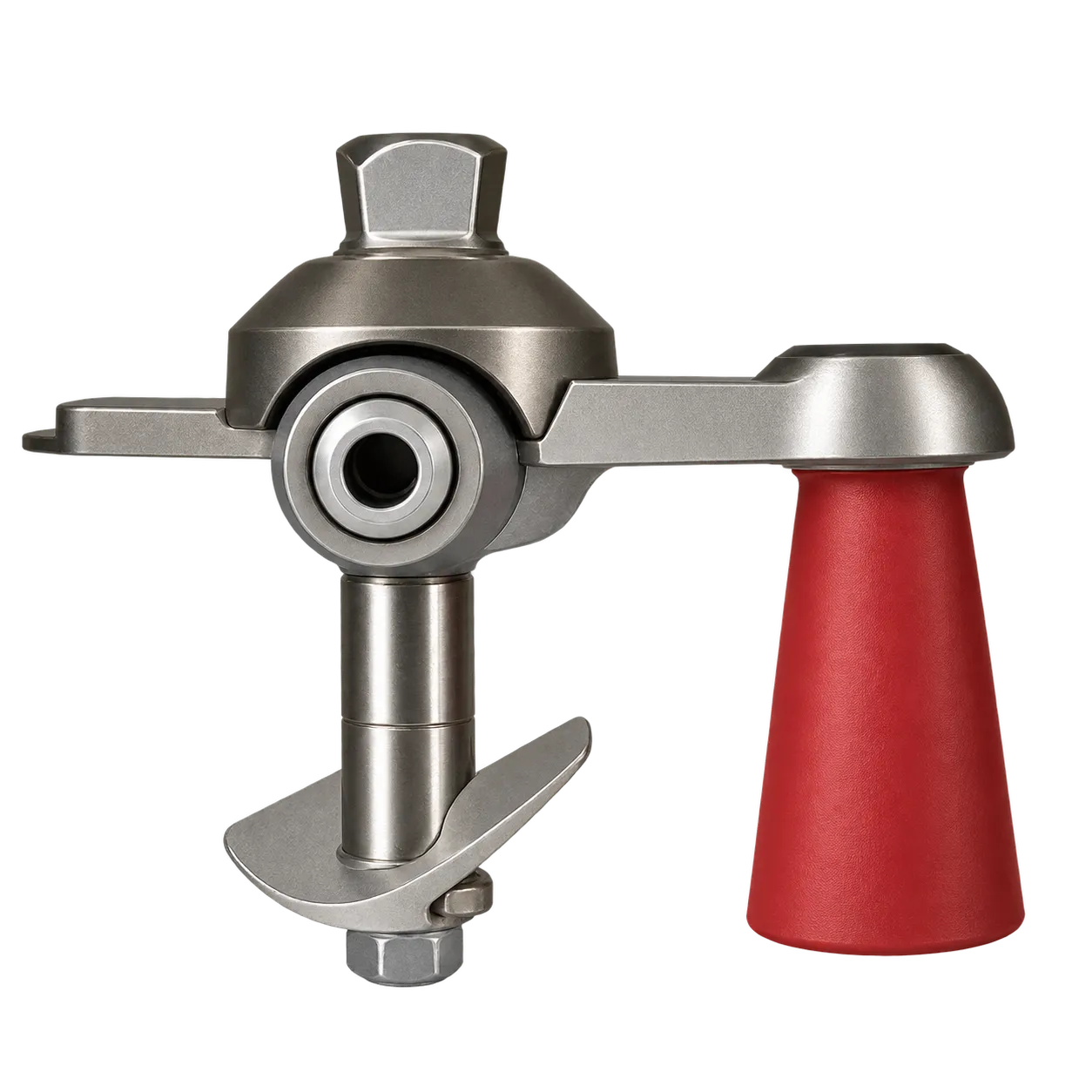
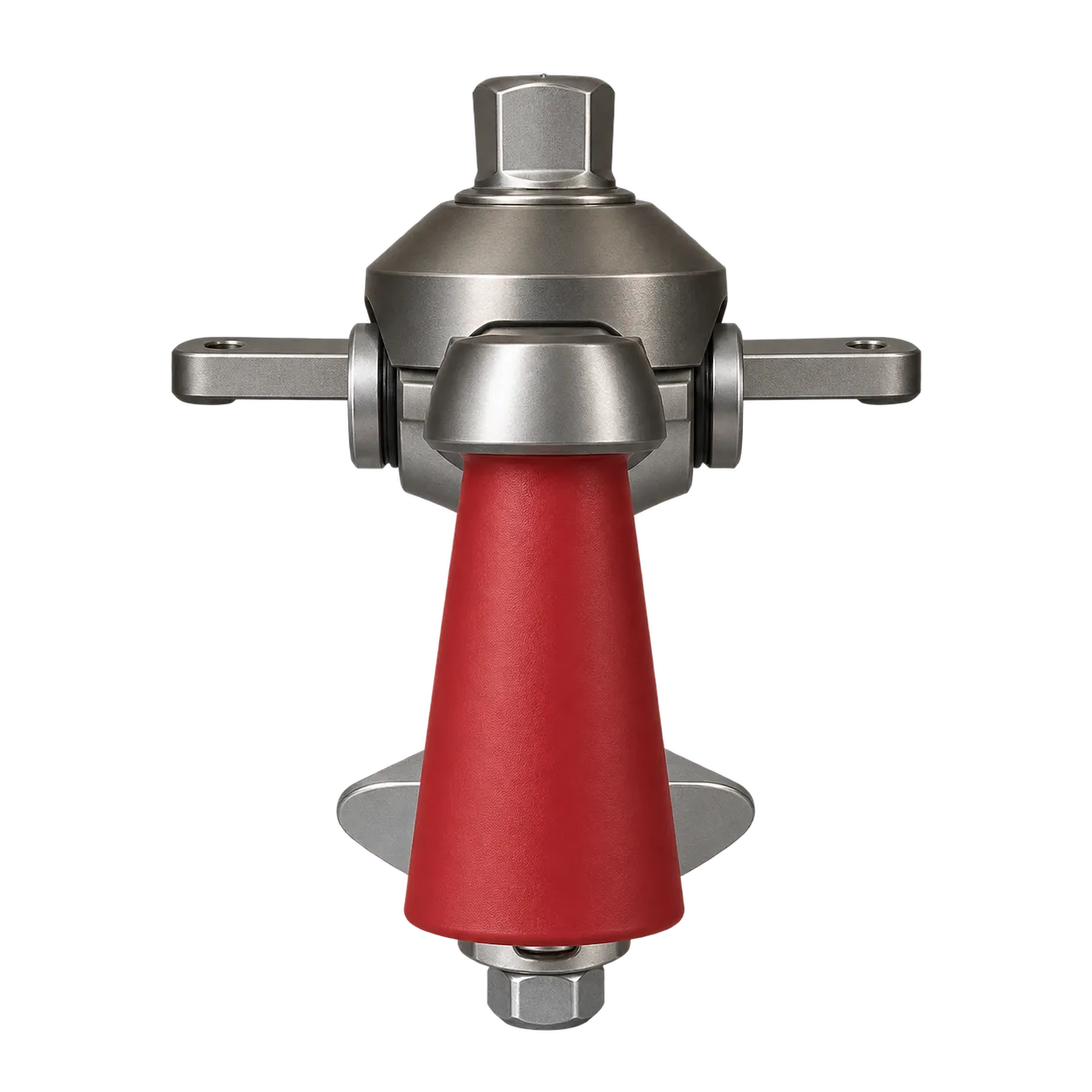
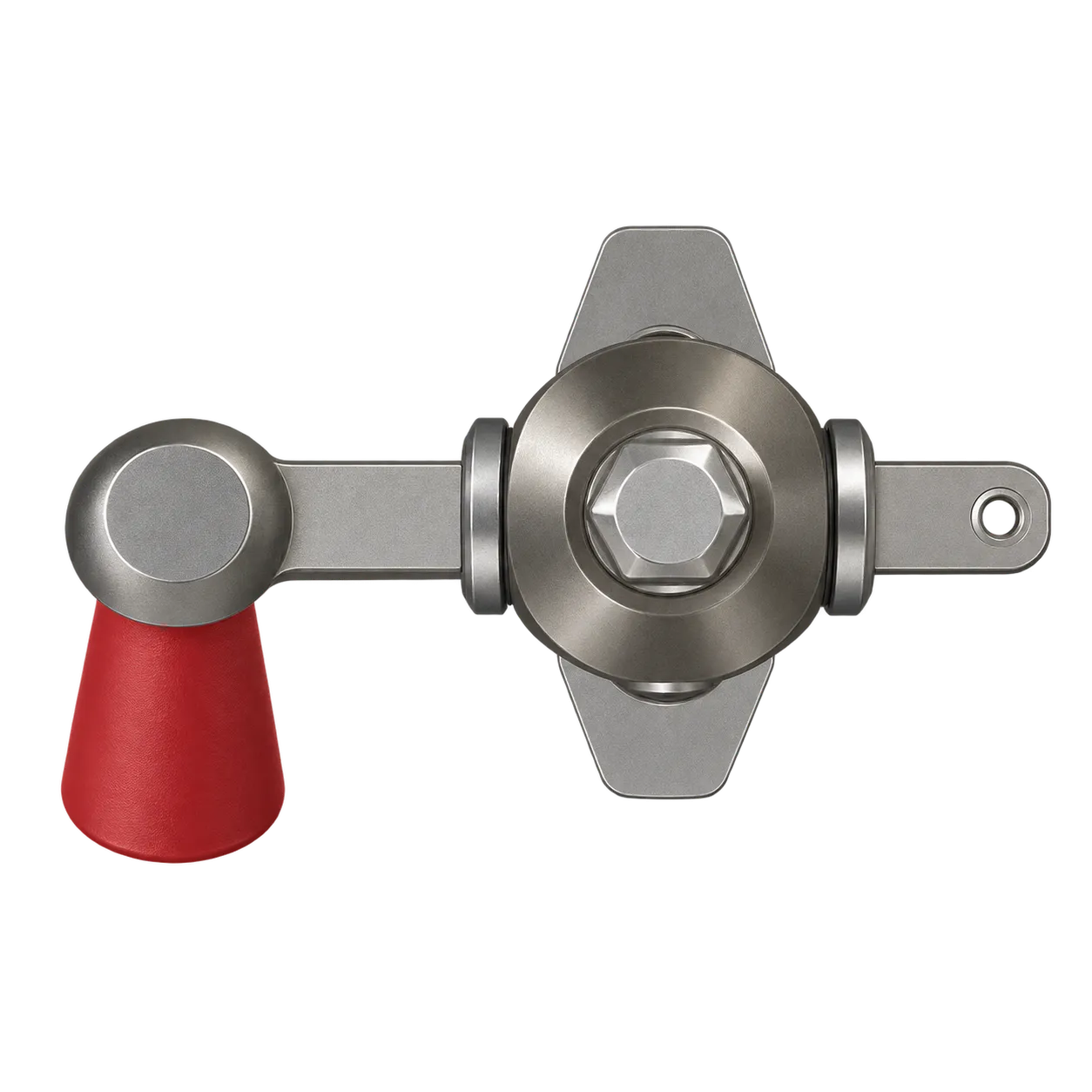
Prosthetic clinics fitting articulated feet need the matching adaptor, and compatibility is the first thing to establish. The 2F10 offers a cushioned connection through its damper, which gives the ankle a degree of give as weight comes onto the foot. Confirmed build height and load rating let the prosthetist plan the limb properly around it, and compatibility is checked against the foot already chosen. Medigear.uk supplies those figures together with the certification records for the clinic's equipment file.
Rehabilitation teams may notice the difference a cushioned ankle makes when a wearer is building confidence at heel strike. The prosthetist decides whether that suits the individual, based on weight, activity and the foot in use. Any change in how the ankle feels during a therapy block is worth flagging. Medigear.uk can supply manufacturer documentation for a service's records.
Workshops assembling and servicing limbs care about spares as much as the part itself. Rubber dampers wear, so knowing whether replacements are available separately affects whether the adaptor is worth stocking. Medigear.uk settles that with the factory alongside the service interval and the damper specification. Volume terms, OEM branding and ODM work are arranged in the same conversation.
For the wearer, the damper does its work quietly at every step, cushioning the ankle as weight comes onto the foot. Over months it will soften, which is normal rather than a fault. Noticing that and mentioning it at a review keeps the limb performing as intended. Medigear.uk answers questions from wearers ordering replacements with their clinical team.