
- Home
- Shop
- Orthopaedic, Trauma & Prosthetics
- Wonderful 2R8=M10-CNC
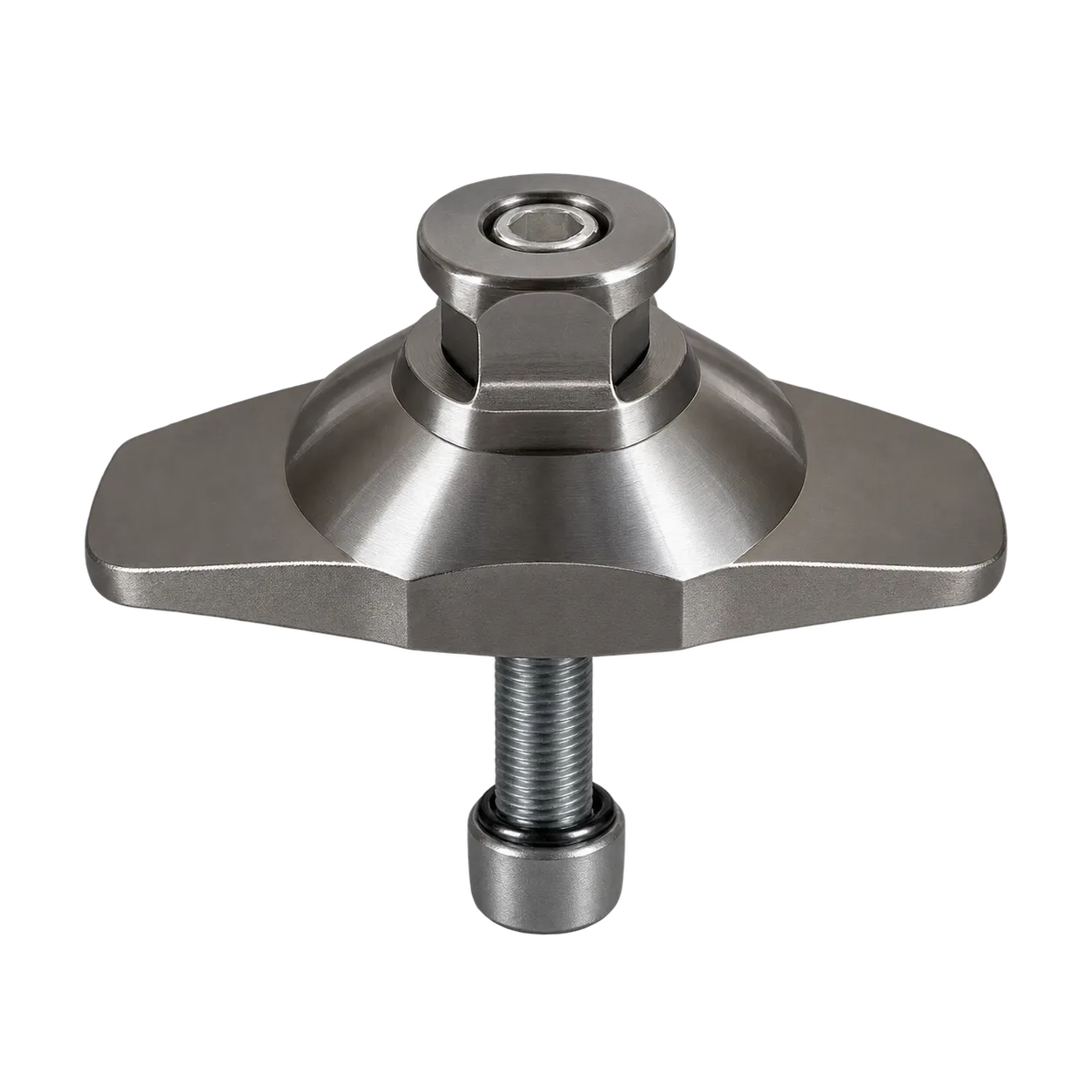
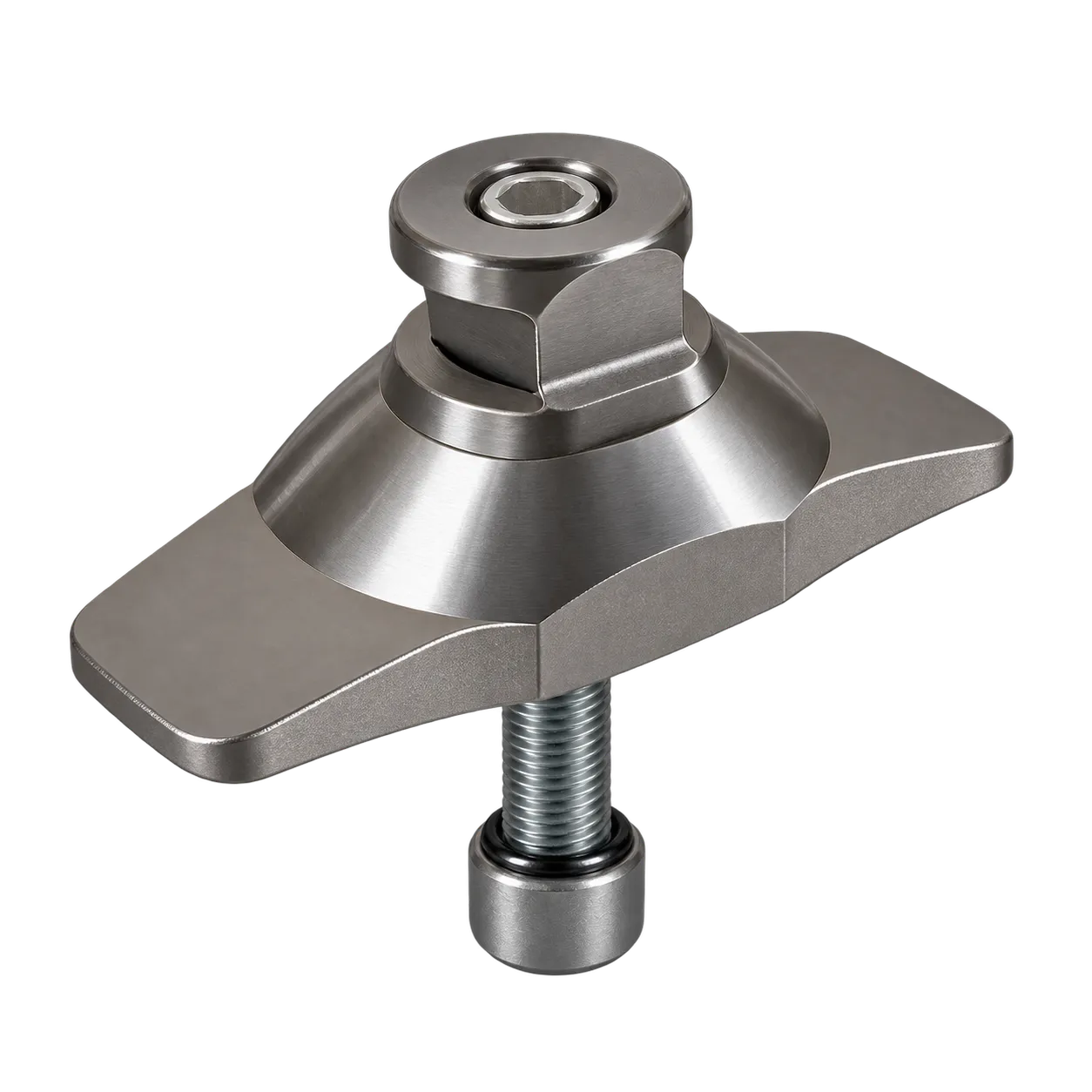
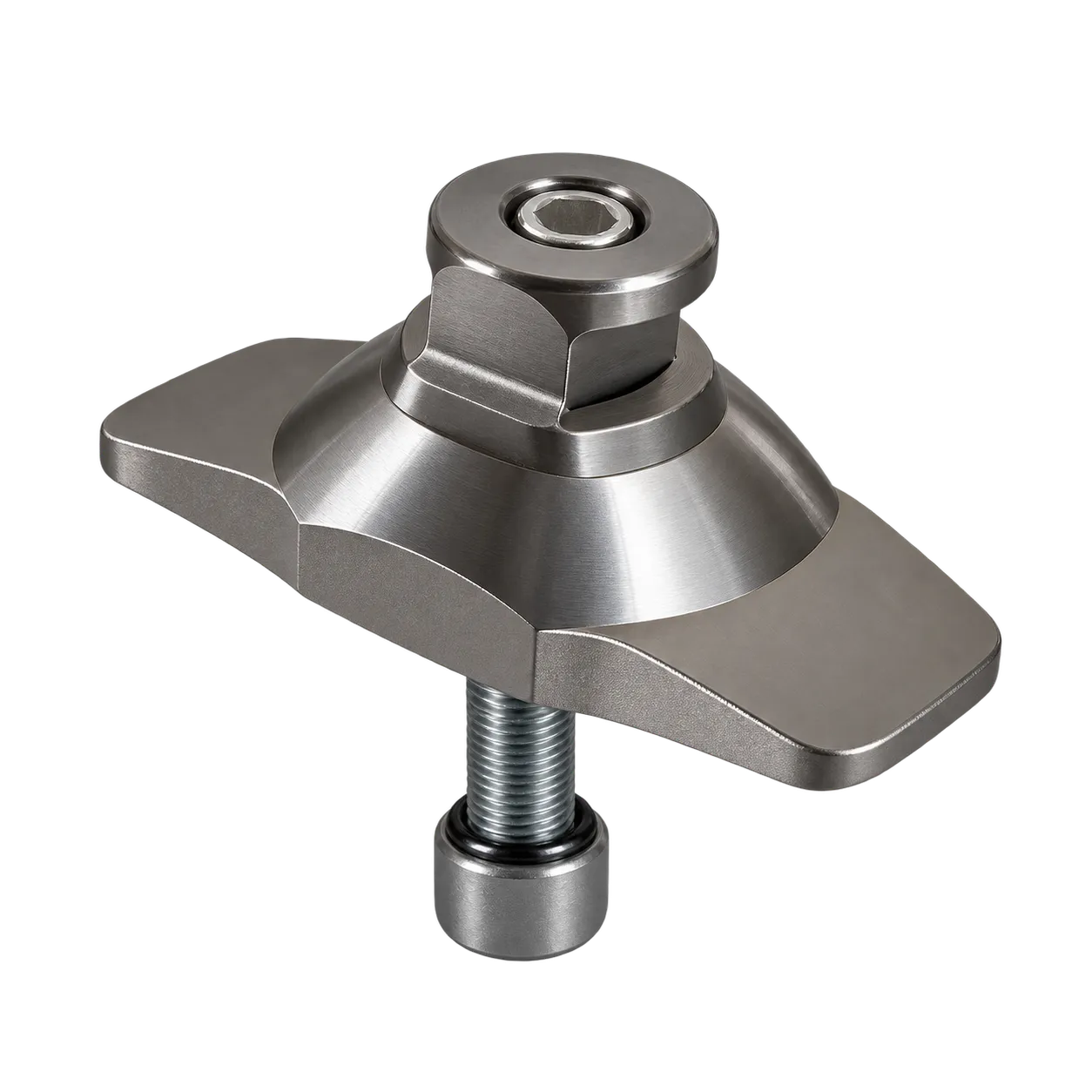
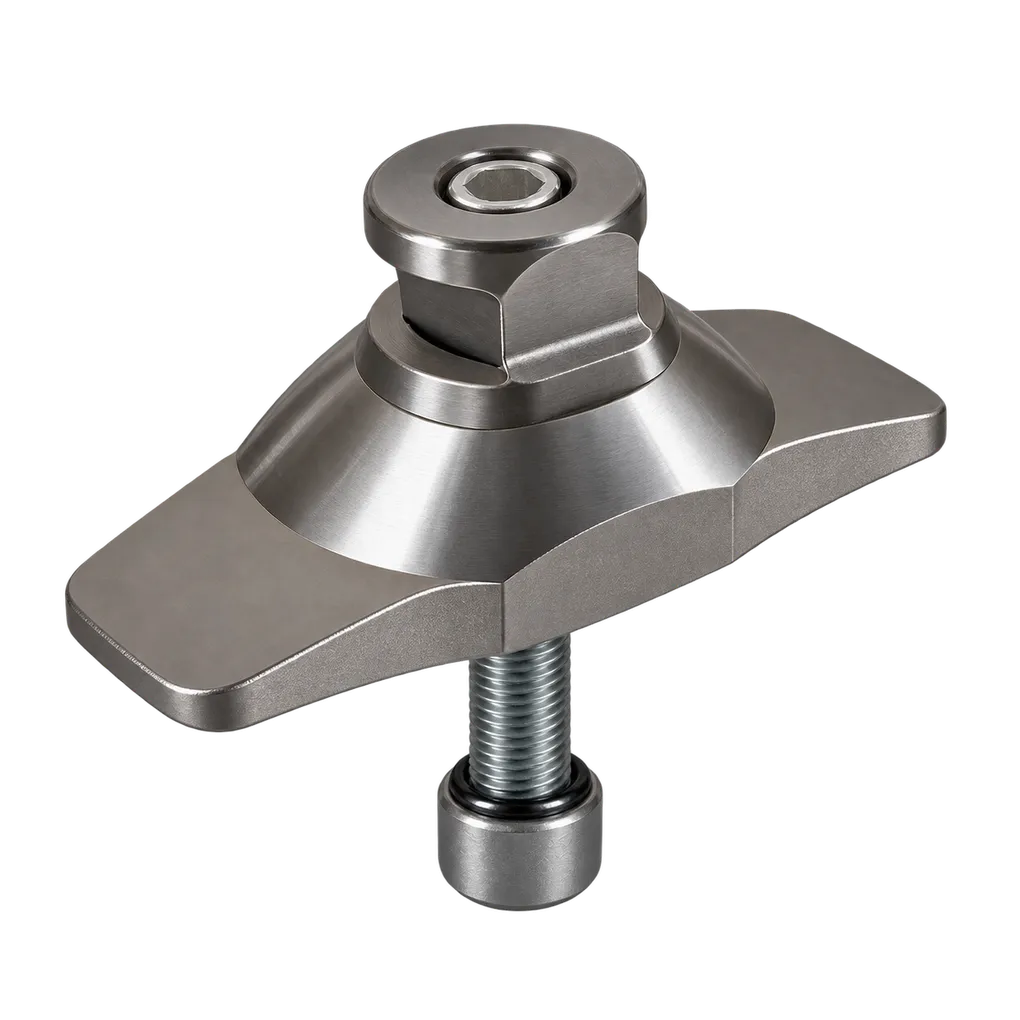
Wonderful 2R8=M10-CNC
Where the foot meets the limb, and where alignment is set.
The foot adapter is the fitting that joins a prosthetic foot to everything above it. It carries the threaded connection the foot bolt engages, and it provides the face against which alignment is established. Listed on Medigear.uk for UK business buyers.
A prosthetic foot has a cavity in its dorsum and nothing else by way of a connection. Everything above it, the pylon, the tube clamp, the knee and the socket, terminates in fittings that expect a defined interface. The foot adapter is what reconciles those two things.
Physically it is a machined body that seats into the foot's recess, presenting a face to the components above and carrying the threaded hole that the foot bolt engages from below. Clamping the bolt draws foot and adapter together into a single assembly, and from that point the foot behaves as part of the limb rather than a separate piece.
Its second function is alignment. Bench alignment sets the foot's position relative to the socket in the sagittal and coronal planes, along with its rotation, and those adjustments are made and held at the connection the adapter provides. Static and dynamic alignment then refine that position with the patient standing and walking. An adapter that offers adjustment and locks securely is doing work that continues after the limb leaves the bench, since alignment is revisited as a user's gait develops.
Material governs the rating. Foot adapters are supplied in aluminium, stainless steel and titanium, and the choice is a trade between mass and strength. Published weight ratings for comparable adapters differ substantially between the three, so material and maximum body weight are specified together rather than separately. Product weight matters as well, since the adapter sits at the distal end of the limb where mass has most effect on swing.
Machining quality bears on both. A CNC-machined body holds its dimensions and its thread consistently, and on a component where a threaded connection carries the whole load path that consistency is not cosmetic.
Fixing practice varies. Some adapters are bonded into the foot with a specified adhesive as well as bolted, and where that applies the adhesive is part of the specification rather than a workshop choice. Whether bonding is required here, and which adhesive is specified, should be established before fitting.
This is a component supplied for fitting within a prosthesis by a qualified prosthetist, who selects the adapter, fits it to the foot, sets alignment and applies the specified torque and fixings. The manufacturer, material, rating, thread, proximal connection, compatible feet and fixing method are provided by the seller at quotation, with UKCA or CE marking documentation, the declaration of conformity, instructions for use and warranty terms issued by the manufacturer or held by the seller.
Frequently Asked Questions
Everything buyers need to know about sourcing medical equipment through MediGear.
It connects a prosthetic foot to the pylon or distal fitting above it, carrying the threaded hole the foot bolt engages and presenting a face to the components above.
Because a prosthetic foot has only a moulded recess as a connection, and the components above expect a defined mechanical interface.
Bench alignment sets the foot's sagittal and coronal position and its rotation, and those adjustments are made and held at the adapter.
Adapters are supplied in aluminium, stainless steel and titanium, and the material determines the weight rating, so it is specified alongside the patient's weight.
Confirmed at quotation per material. The published entry for this item gives a single figure against three materials, which needs resolving.
Published as 100 g and 86 g against different materials. Adapter mass matters because it sits at the distal end of the limb.
Fixing practice varies between adapters, and whether bonding is required and which adhesive is specified should be established before fitting.
Confirmed at quotation, since bolts are commonly ordered separately.
Compatible feet and recess geometry are confirmed at quotation, since the adapter must seat correctly in the foot's cavity.
M10, per the reference designation, with the pitch to be confirmed.
A qualified prosthetist, who fits the adapter to the foot, sets alignment and applies the specified fixings and torque.