
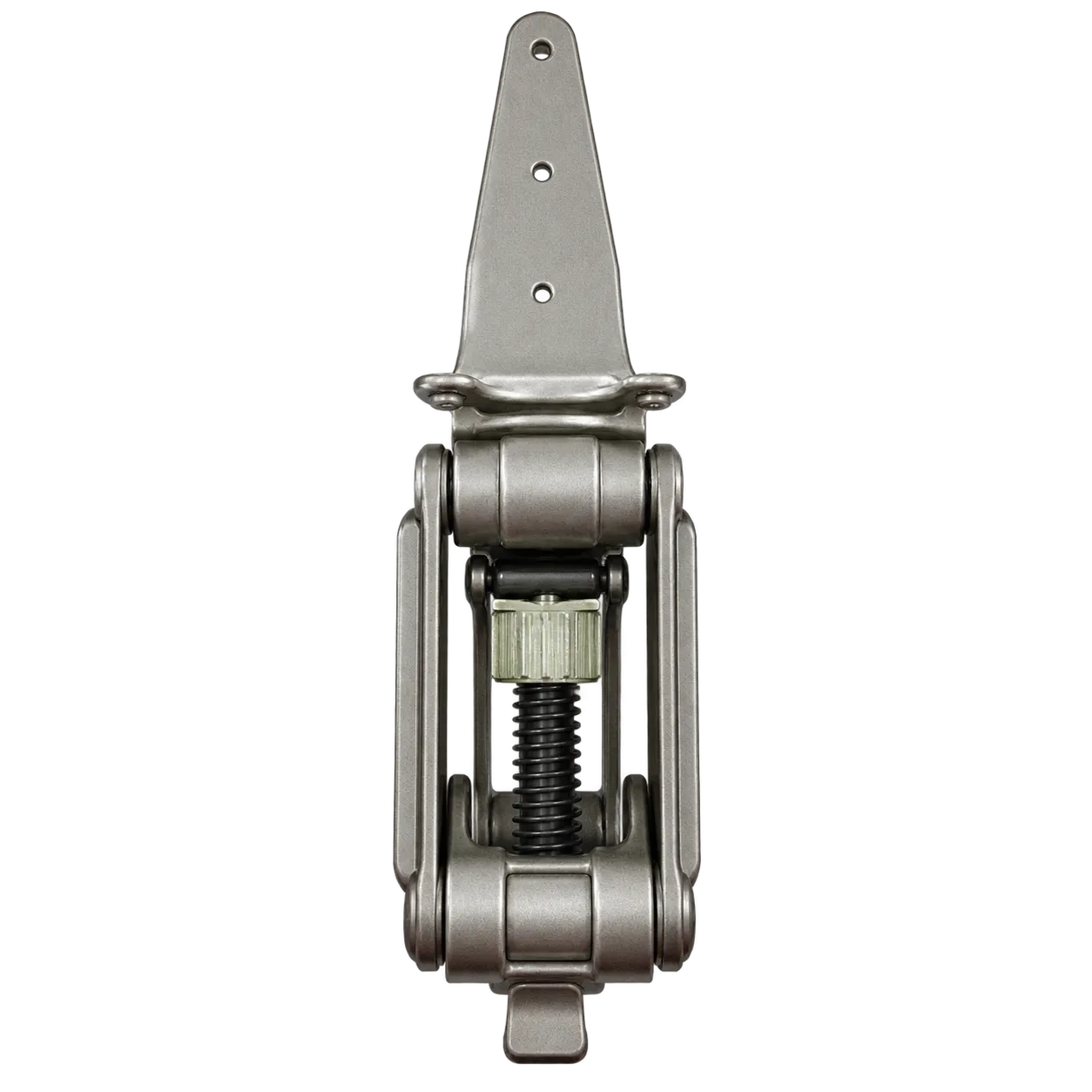
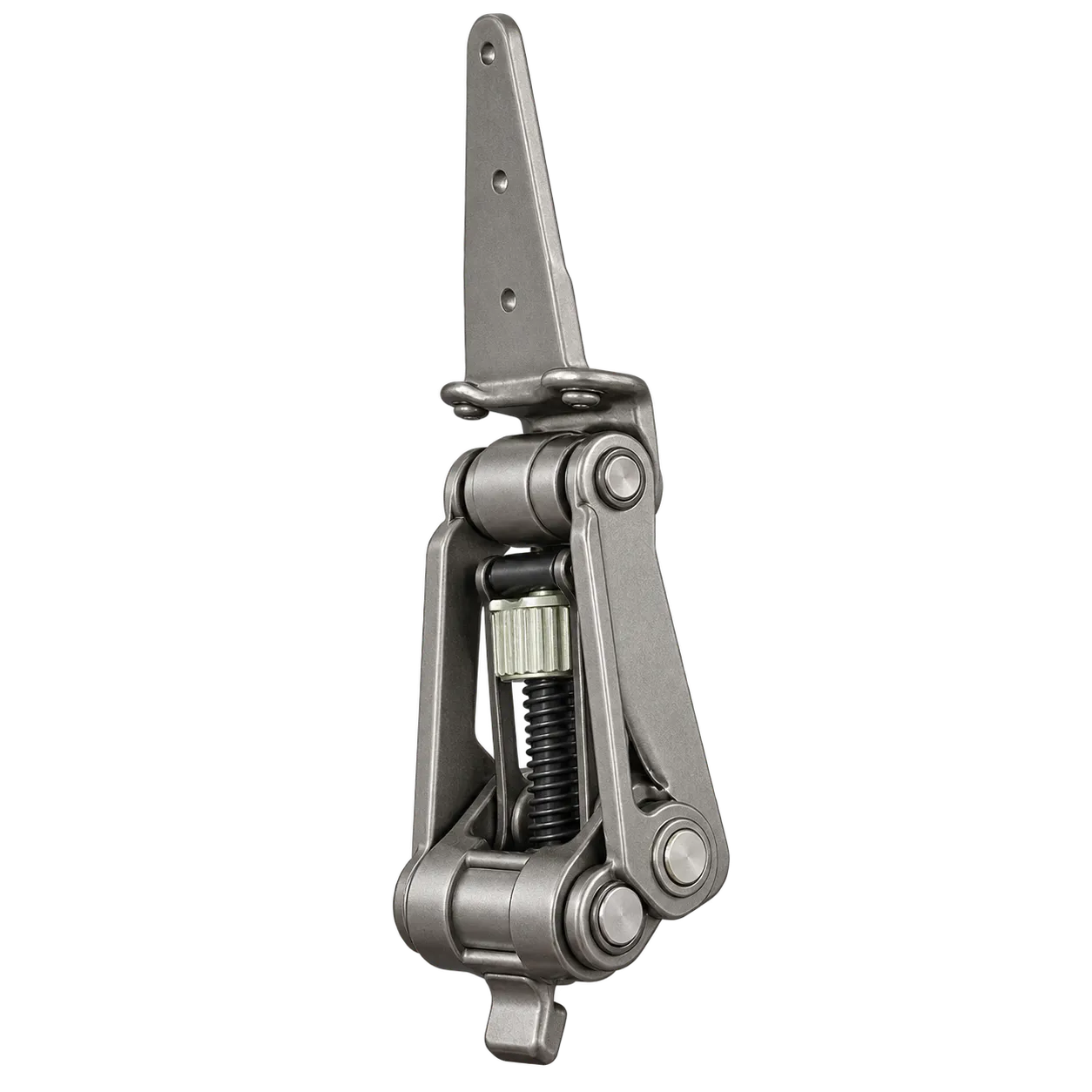
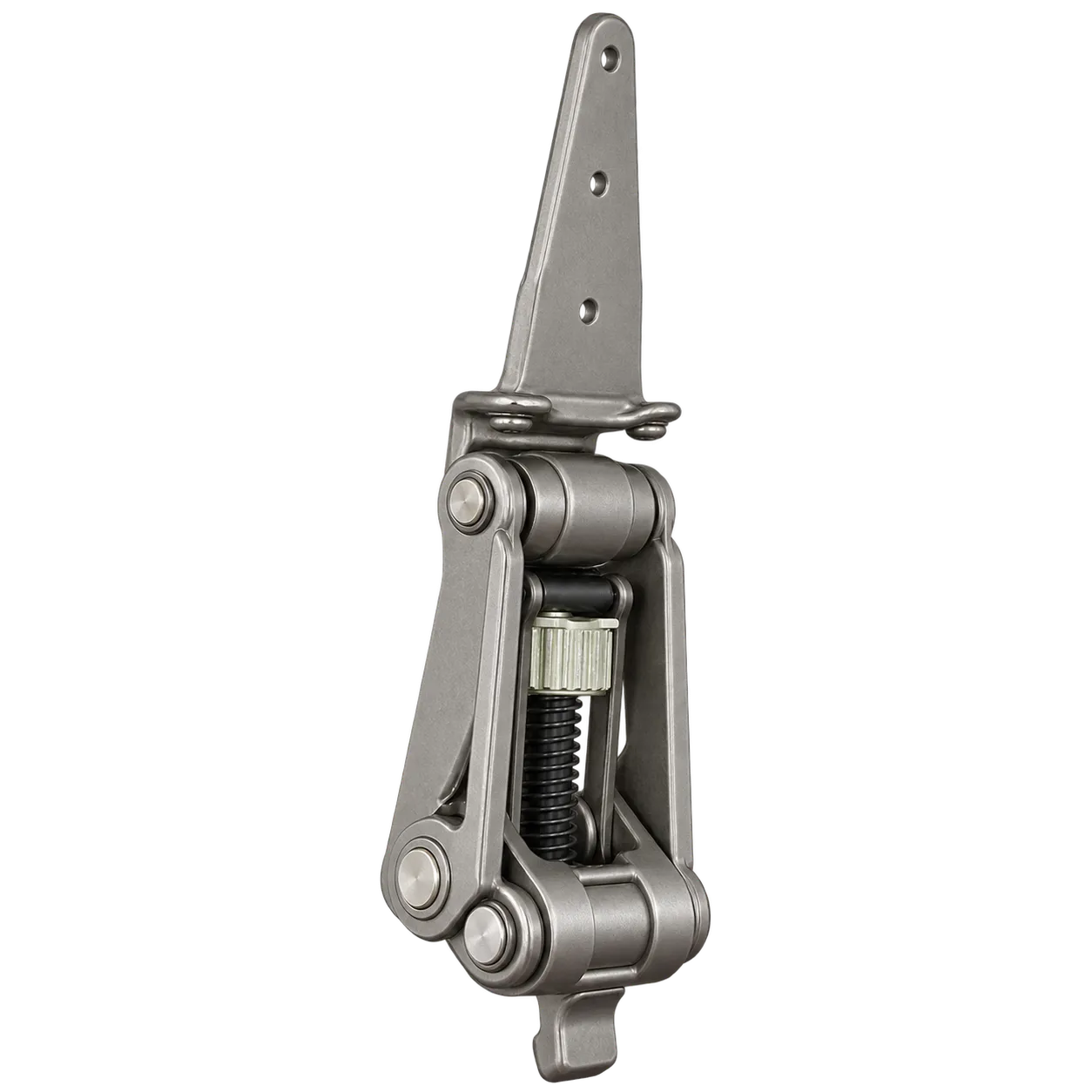
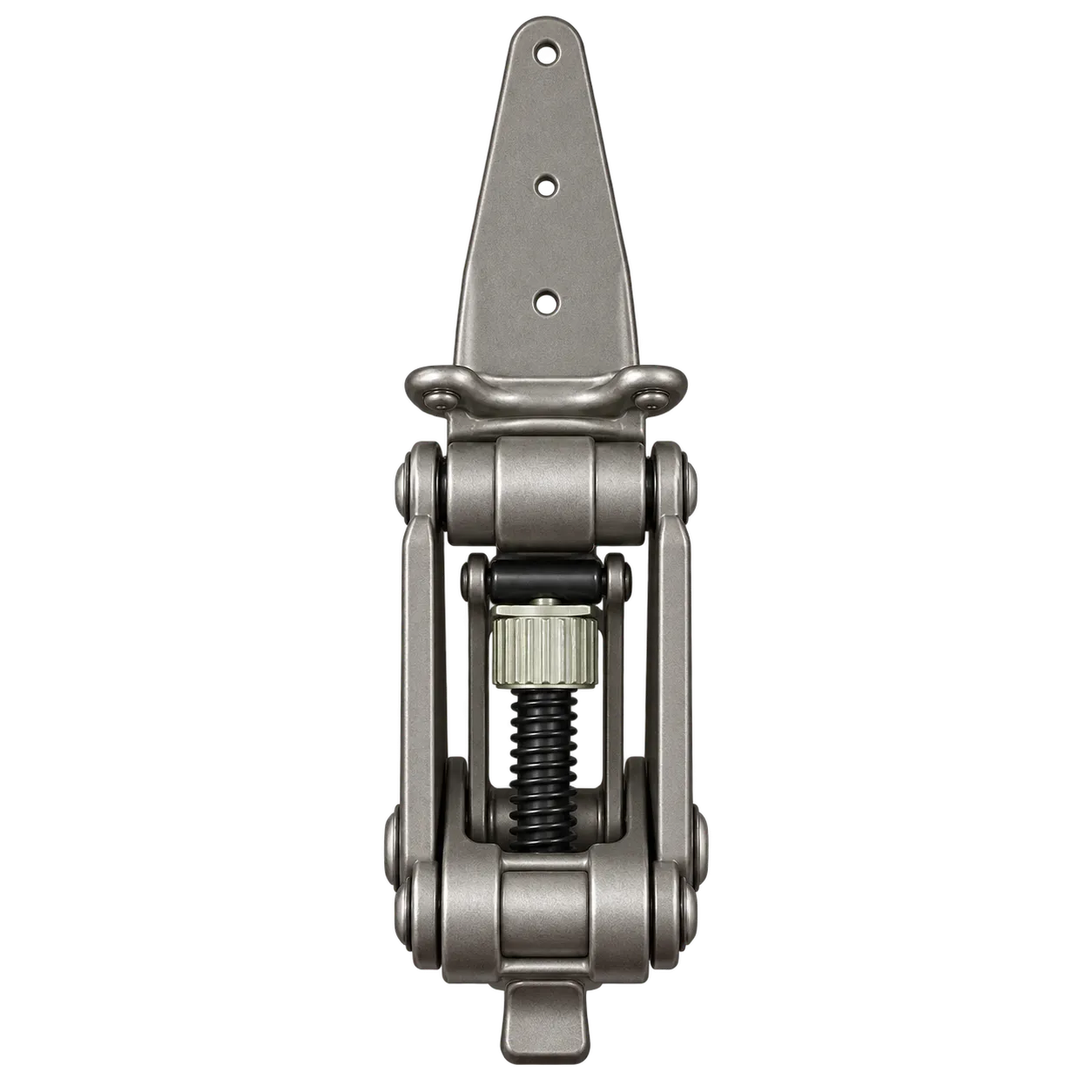
The 3F21 belongs in through-knee builds. Its users have a long femur that can take load on its end, condyles that give the socket something to suspend from, and enough hip control to keep a free knee straight in stance. Without a lock, the knee suits people who walk at a steady pace with reciprocal steps, at home and outdoors, without needing the joint held rigid.
Clinical evidence on the amputation level runs in both directions. A 2016 systematic review of 17 studies covering 709 knee disarticulations in people with vascular disease found primary healing of 60% to 100% and reamputation of 0% to 21%. Prosthetic walking rates ranged from 13% to 75%, and only one study carried a very low risk of bias. A smaller trauma study followed 10 knee disarticulations and 18 matched transfemoral amputations for a mean of 66 months. It found no functional difference on four outcome measures. On fitting, the Atlas of Limb Prosthetics ties success to full end bearing and notes that knee units often sit up to 2 inches below the anatomic knee centre.
That last point is where the joint's design matters day to day. A short drop under the socket keeps the thigh closer to the length of the other side, which affects how a user sits, how the shin clears in swing and how the limb looks under clothing. The 18 mm build height on the manufacturer's product page is the figure to check against the measured gap.
Limb fitting centres, independent clinics, charity workshops and export programmes all fit through-knee users. In England, NHS services order through a mandated national framework, and equivalent public procurement elsewhere expects the same traceable supply. The conformity documentation those procurement routes require is issued by the manufacturer and shared by the enquiry team.