
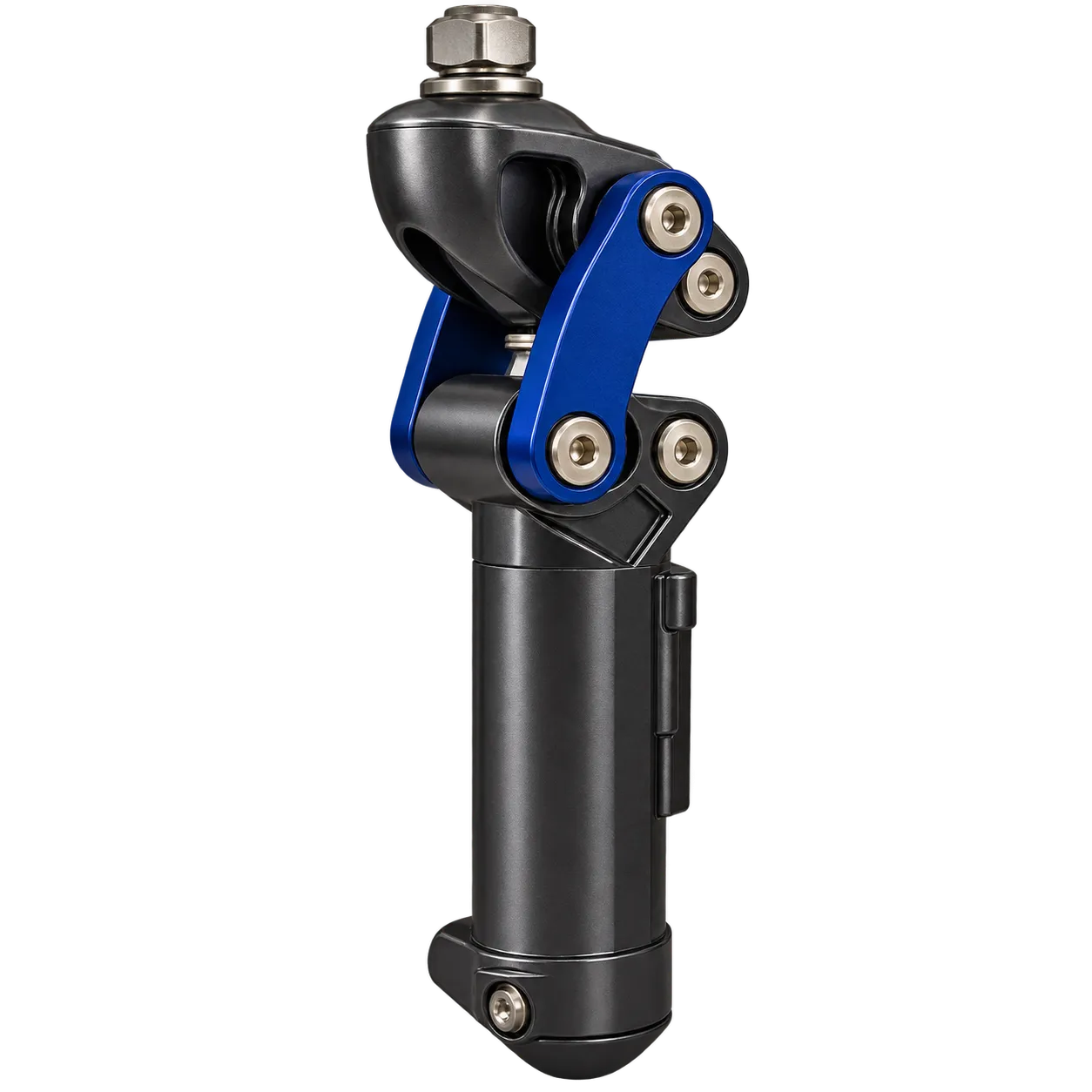
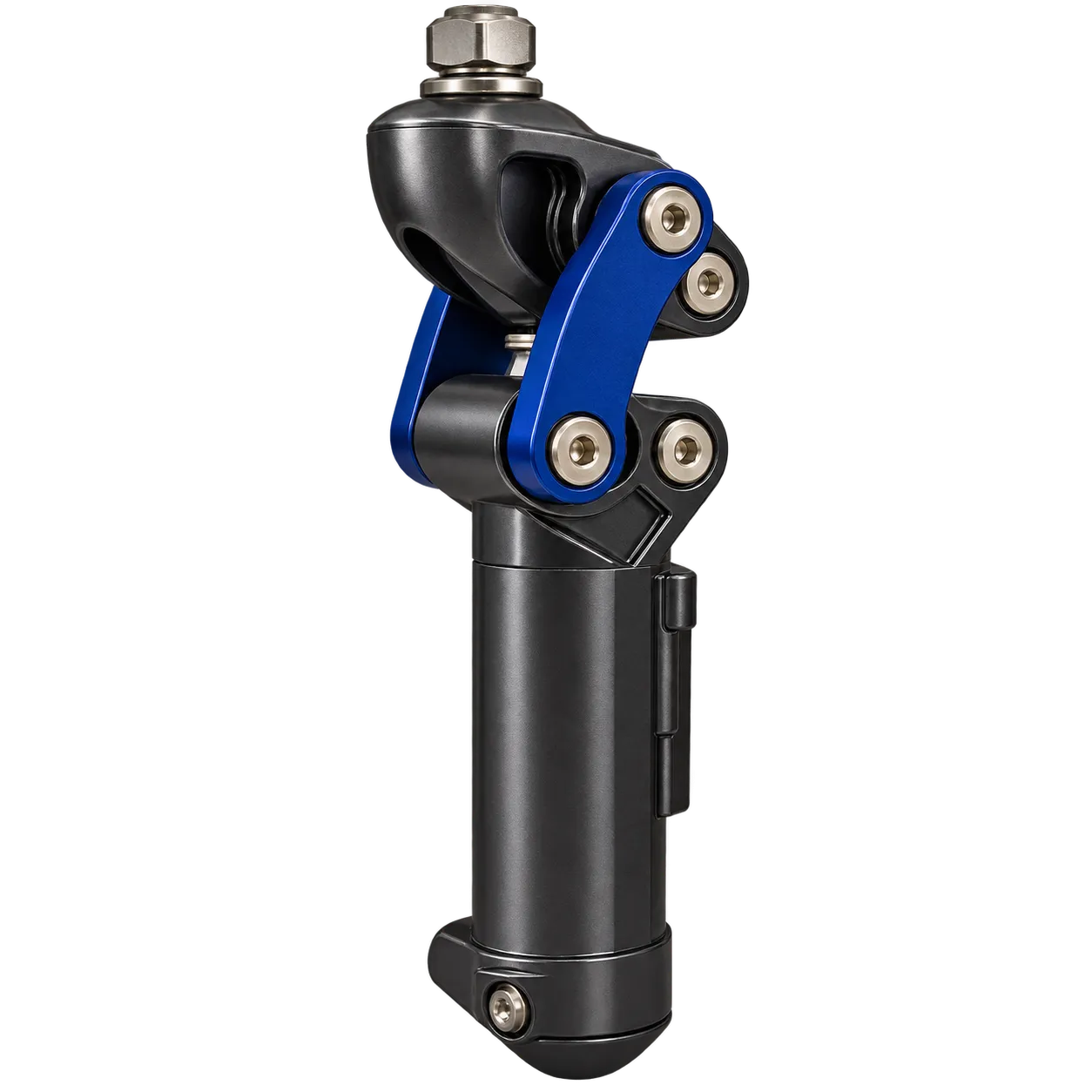
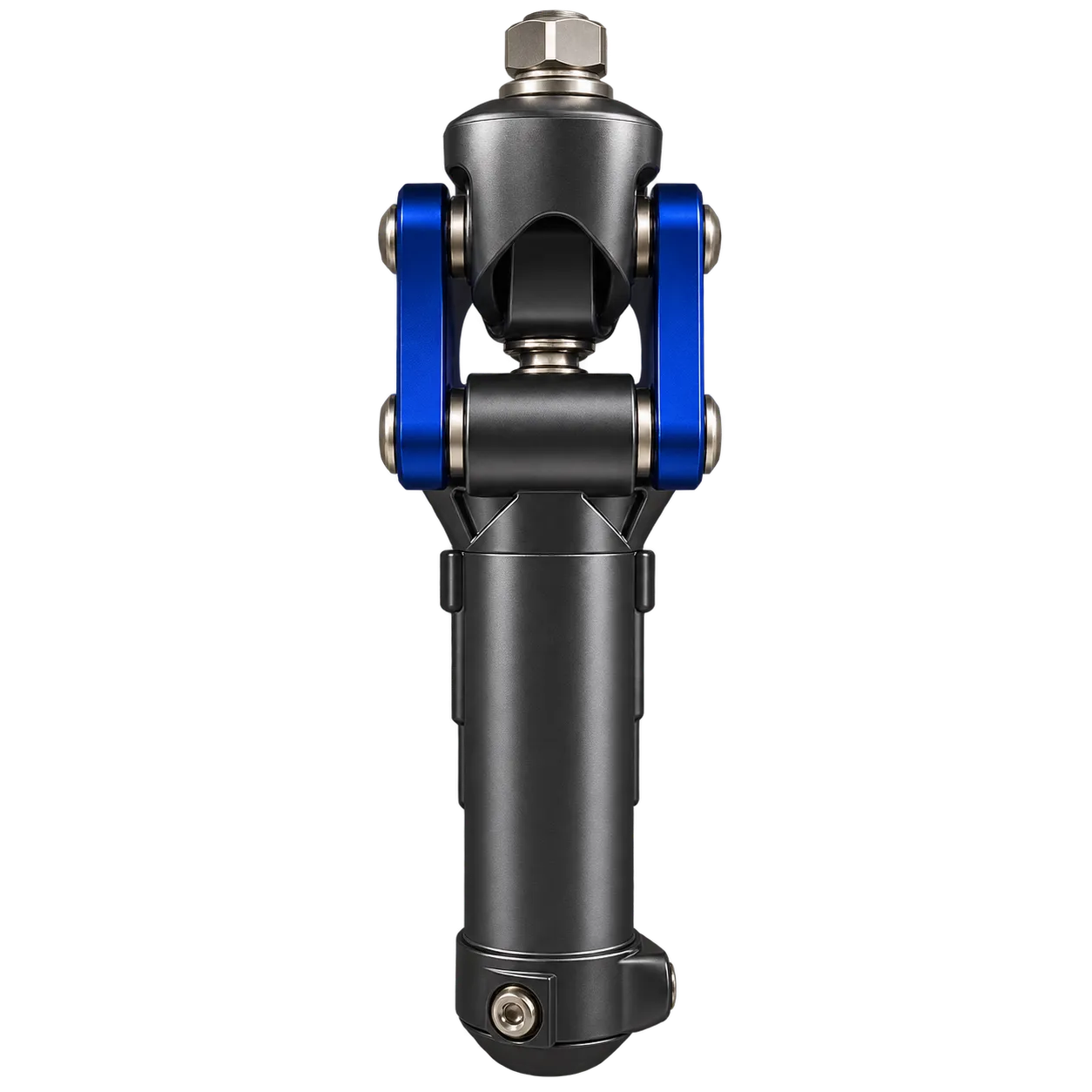
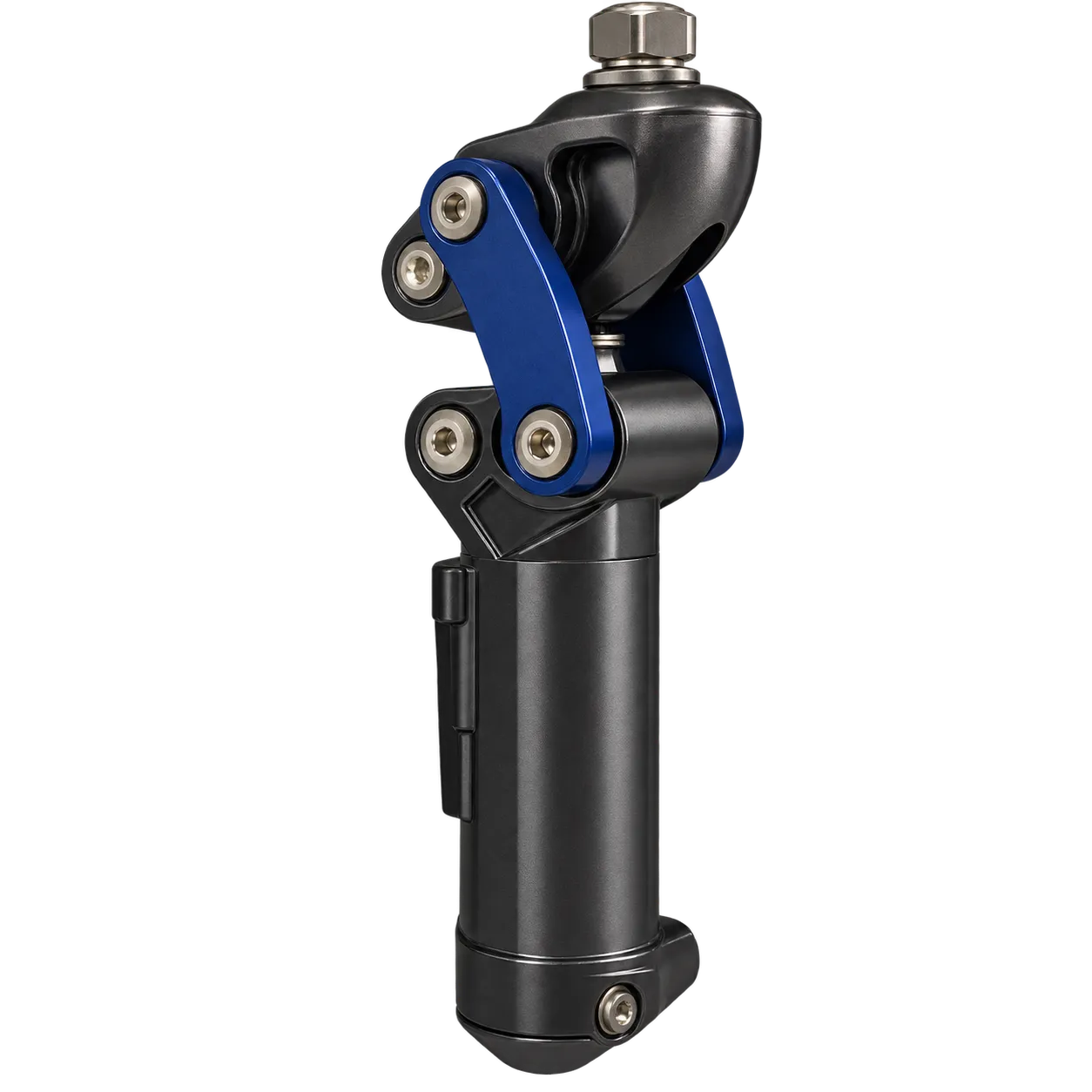
The 3F25P-BF belongs in transfemoral limbs for people who walk at more than one speed and attend a service able to give them a proper fitting session. That session needs a prosthetist, a level walkway, a stopwatch and the instructions for use. Limb centres, private prosthetic clinics and rehabilitation gyms usually have all four.
On the day, the work runs in sequence. The limb is aligned on the bench and then on the wearer. Flexion and extension resistance are set at the cylinder. The wearer walks the marked distance slowly, at a usual pace and briskly while the prosthetist times each pass and watches heel rise and the end of swing. One setting changes, the walks repeat, and the closing figures go into the record. At review, the same walkway and the same notes show whether a complaint comes from the knee, the socket or the wearer's changing fitness.
Two pieces of category evidence bear on this routine. Boonstra and colleagues (1996) studied 28 adults with a unilateral transfemoral amputation using a knee with mechanical swing control and one with pneumatic swing control. Fast walking speed and gait symmetry favoured the pneumatic unit, and comfortable speed did not differ significantly. Among 86 lower-limb prosthesis users, Reid and colleagues (2015) found that two-minute walk distance correlated with six-minute distance at R = 0.95, accounting for 91% of its variance. Neither study tested this model.
NHS limb services in England order prosthetic parts through a framework that NHS England mandates, and equivalent public procurement elsewhere sets its own supply conditions. The conformity documentation those procurement routes require is issued by the manufacturer and shared by the enquiry team.