

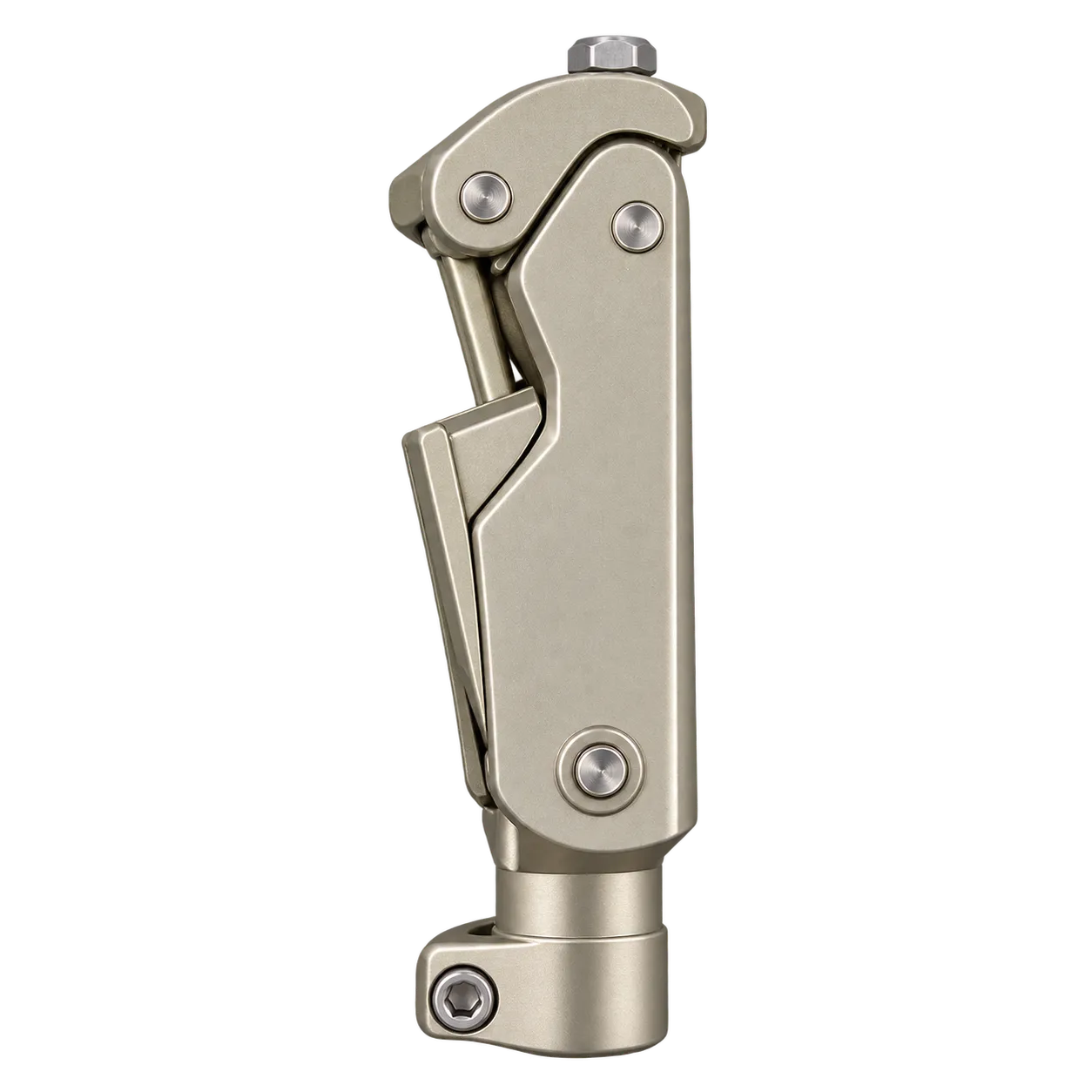
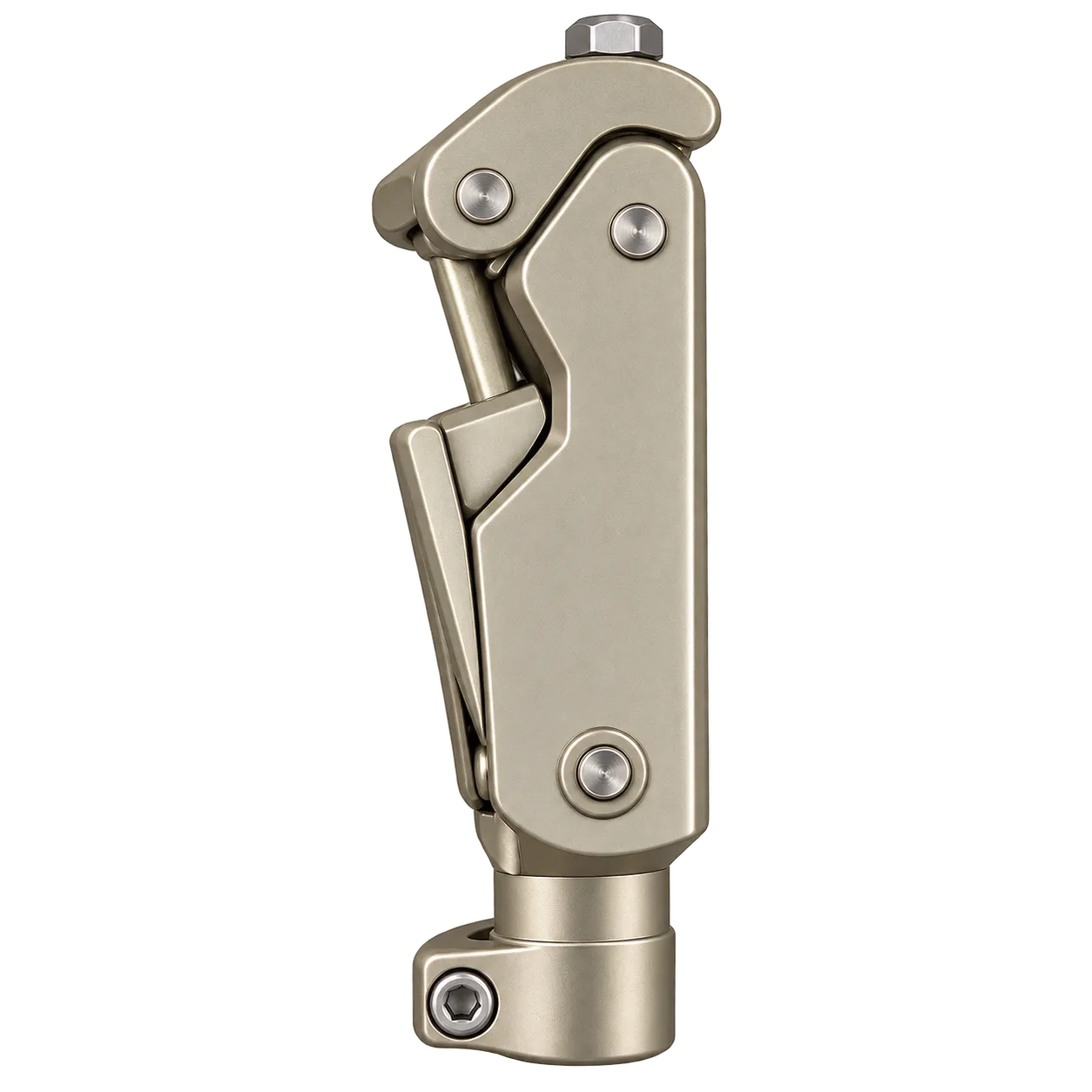
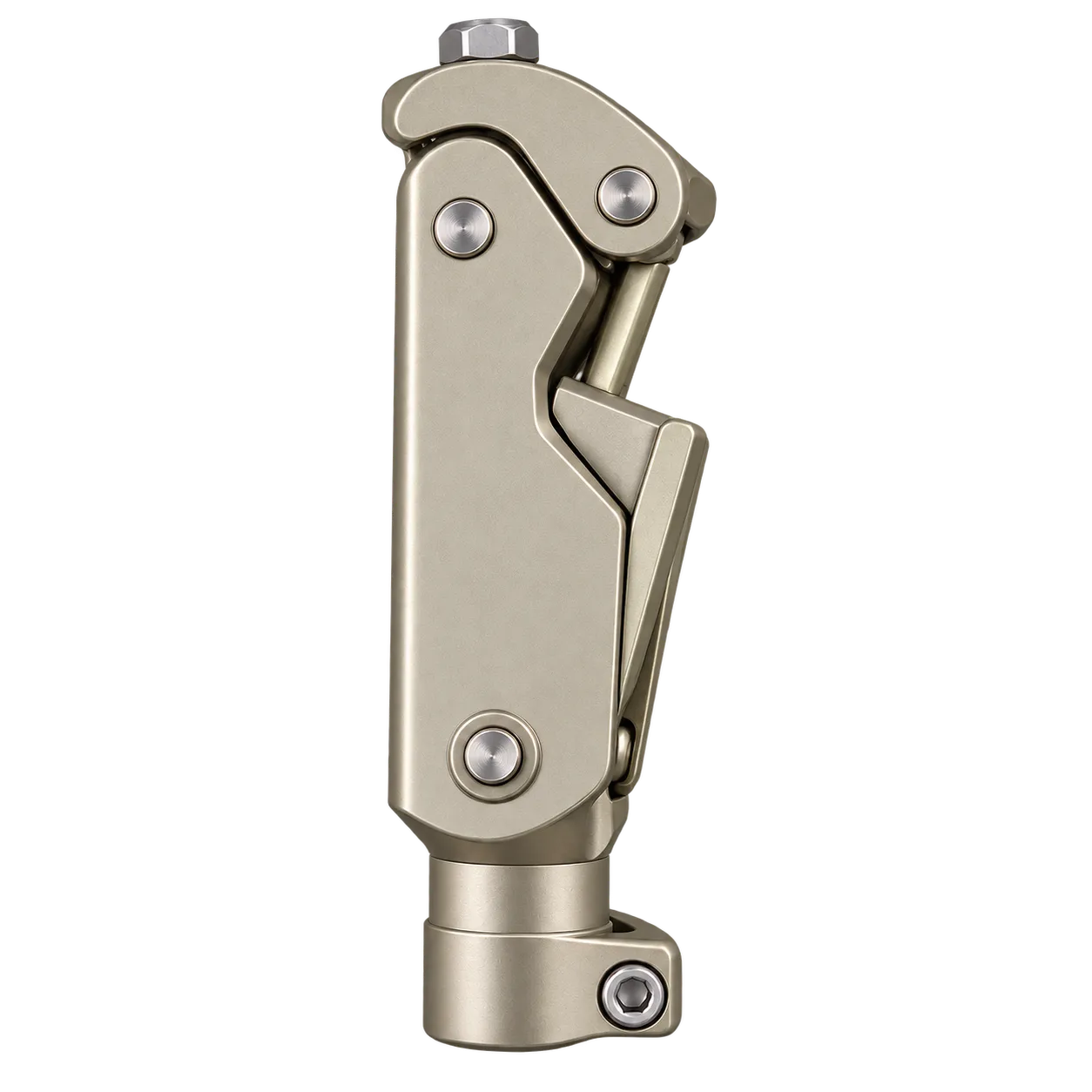
Transfemoral users who walk a lot, and at more than one speed, are the population this knee serves. Think of someone who strolls round a supermarket, then crosses a road quickly, then keeps up with a colleague on the way to a meeting. With a single pivot, the knee leaves stance to alignment and the hip extensors, so the user needs the strength to drive the thigh back at heel strike. Those demands usually point to an assessment at K3.
The fit narrows at both ends. Users who need the knee itself to supply stance security fall outside the argument for this joint. Wonderful's listing does claim a self-locking stance, and the instructions for use must describe it before a team plans on it. At the heavy end, the build is planned at 100 kg, the lower of the published ratings.
The evidence for pneumatic swing control is modest and mixed. A 1995 crossover study of 28 unilateral transfemoral users compared a knee with mechanical swing control and one with pneumatic swing control at 2 and 3 km/h. Energy cost was higher with the pneumatic knee, yet 19 participants preferred it, 6 preferred the mechanical knee and 3 had no preference. The authors cautioned that the sample was small and blinding was impossible. A widely used teaching resource describes single-axis knees as relying on the user's own muscle power in stance and pneumatic units as suiting walkers who vary their pace.
Limb centres, private prosthetic clinics, rehabilitation services and export programmes all see this user group. In England, NHS limb services order prosthetic parts through a framework that NHS England mandates, and equivalent public procurement elsewhere sets similar supply requirements. The conformity documentation those procurement routes require is issued by the manufacturer and shared by the enquiry team.