
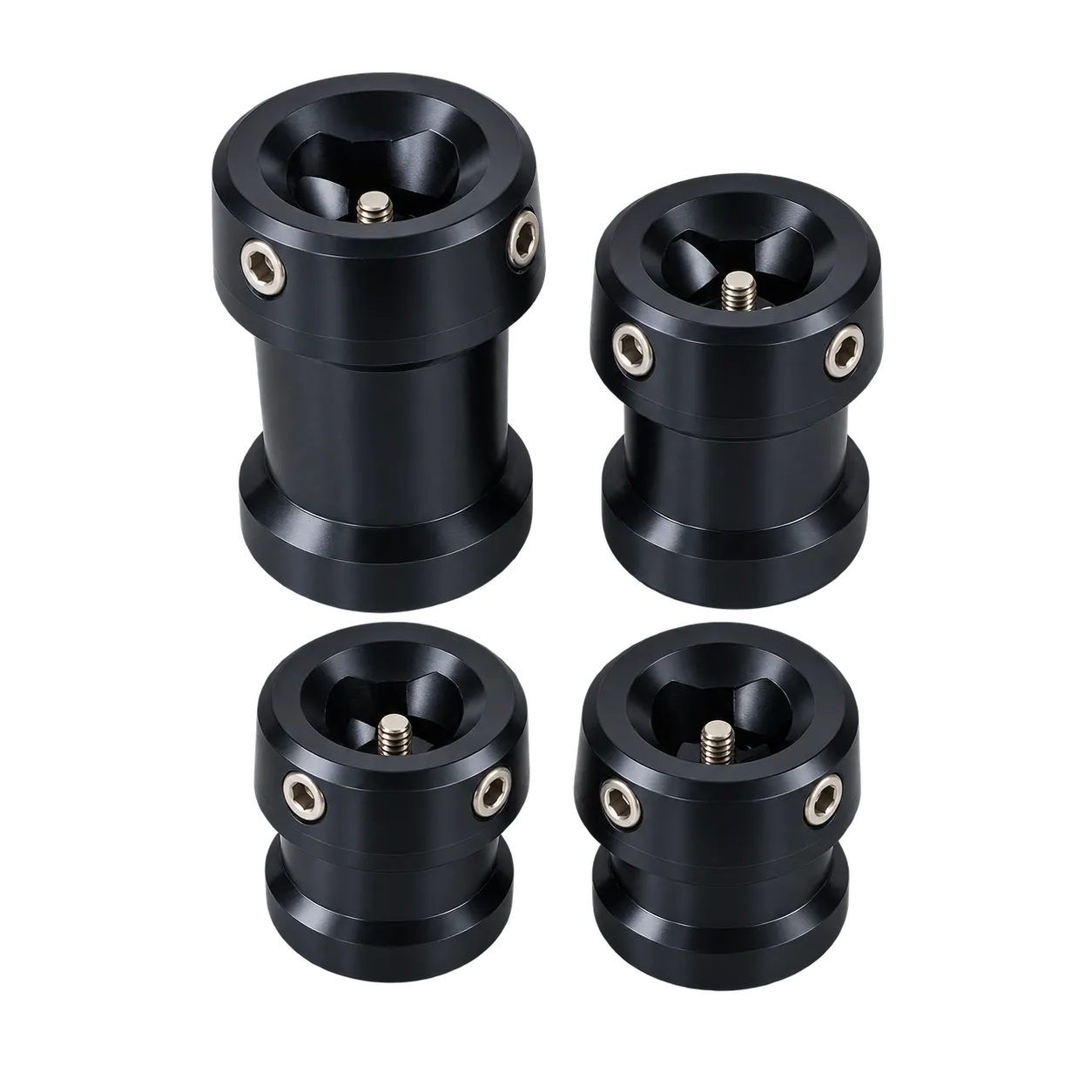
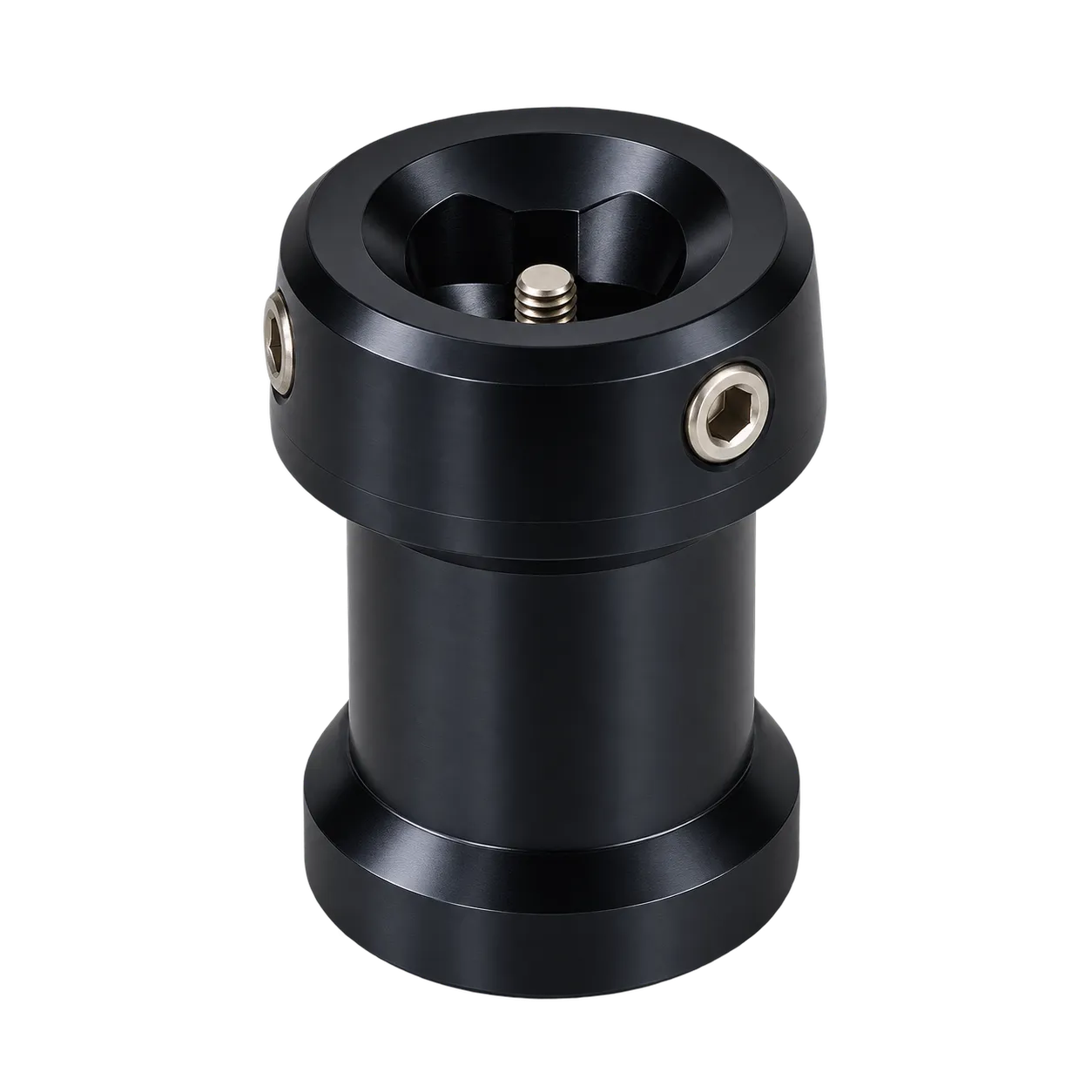
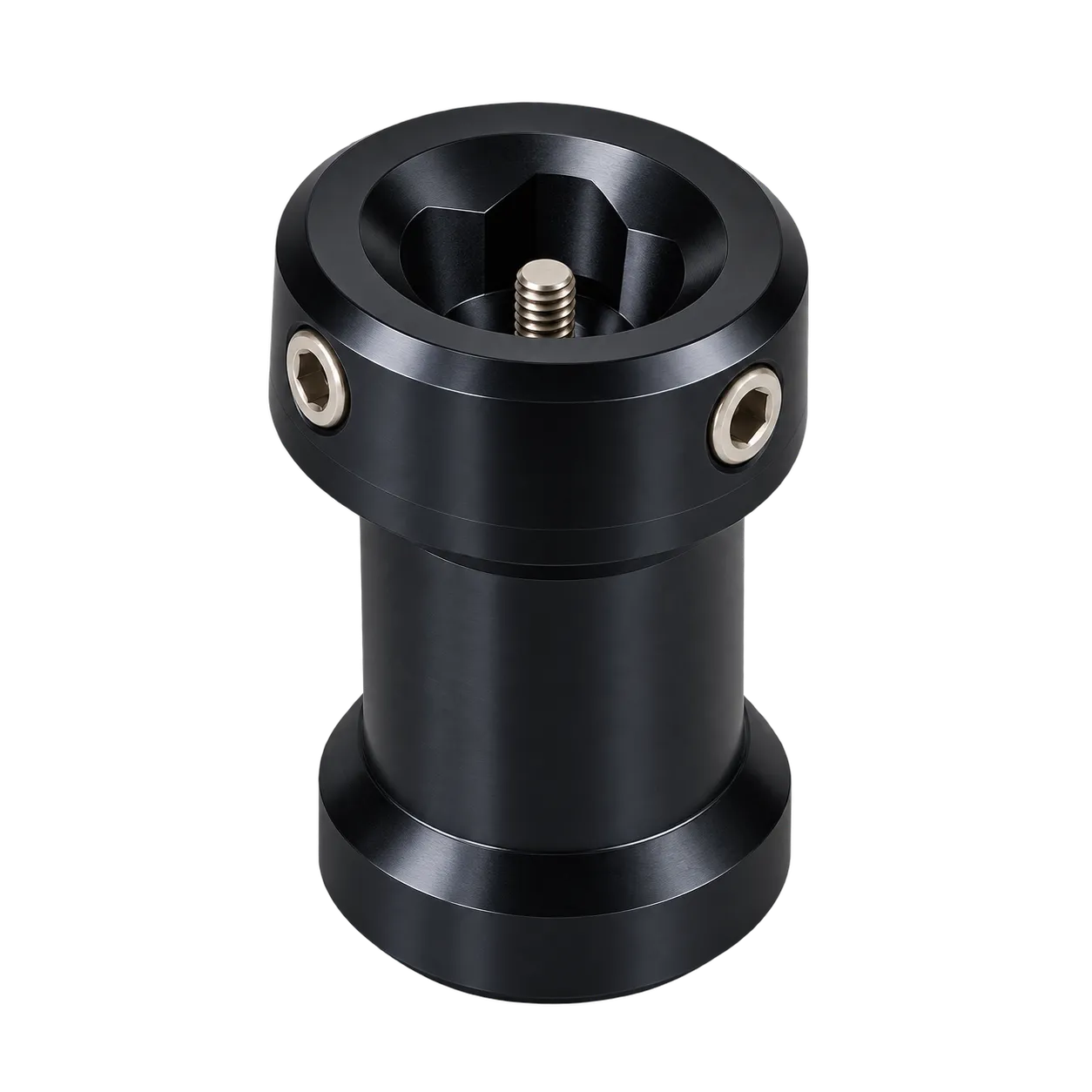
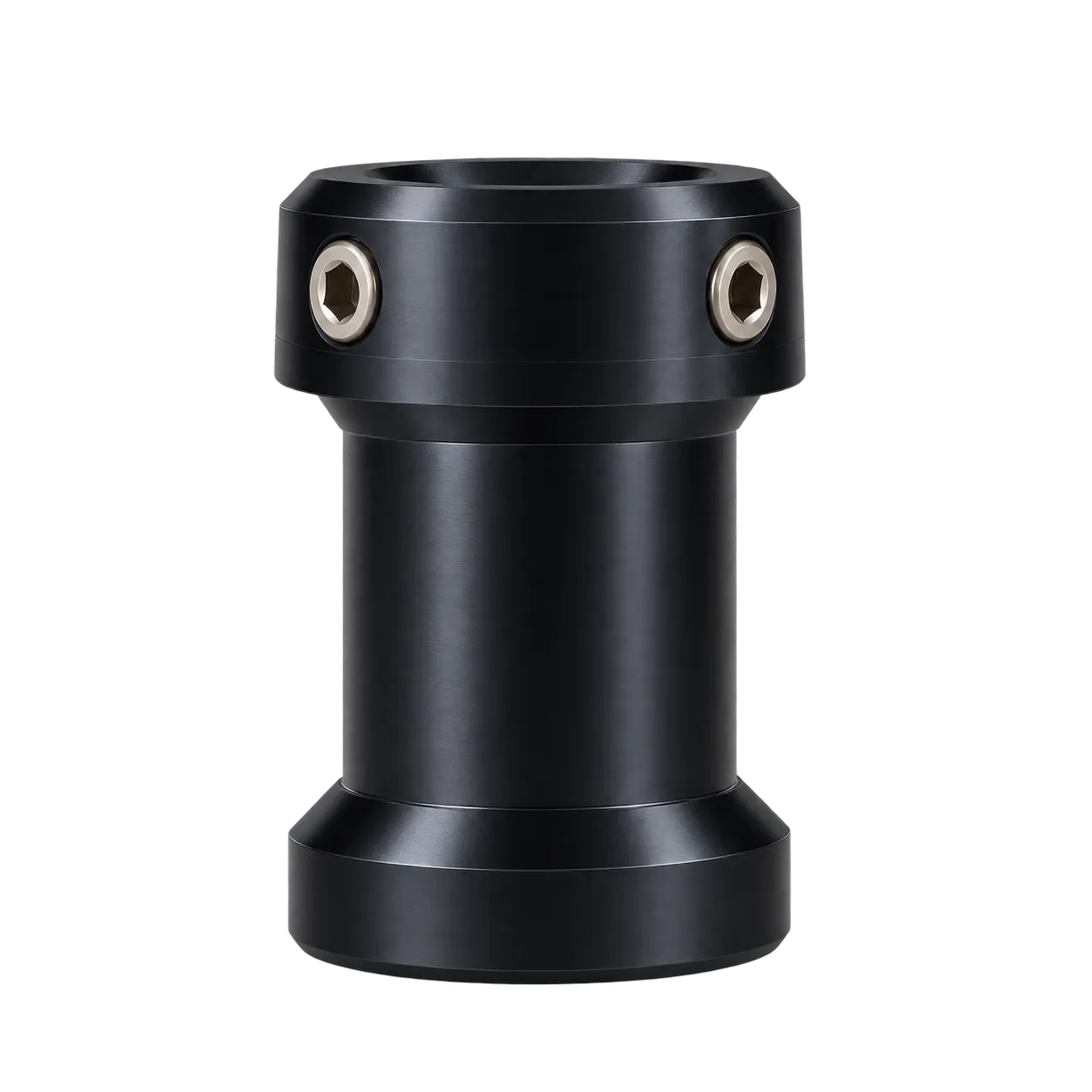
Modular transtibial and transfemoral builds use a tube clamp at the pylon connection, with the variant chosen to the patient.
Heavier users and higher activity levels are served by the stainless variants, which support higher clamping force.
Weight-sensitive builds are served by the aluminium variants, which reduce mass low down the limb.
Higher load builds are commonly specified on the larger pylon diameter, which determines the bore required.
Long residual limb and knee disarticulation fittings are constrained by build height, which decides which variant can be used.
Limb length and toe-out are both established at this fitting and revisited as alignment needs change.
Clinics holding stock need the family across materials and bores, since neither is interchangeable once ordered.