
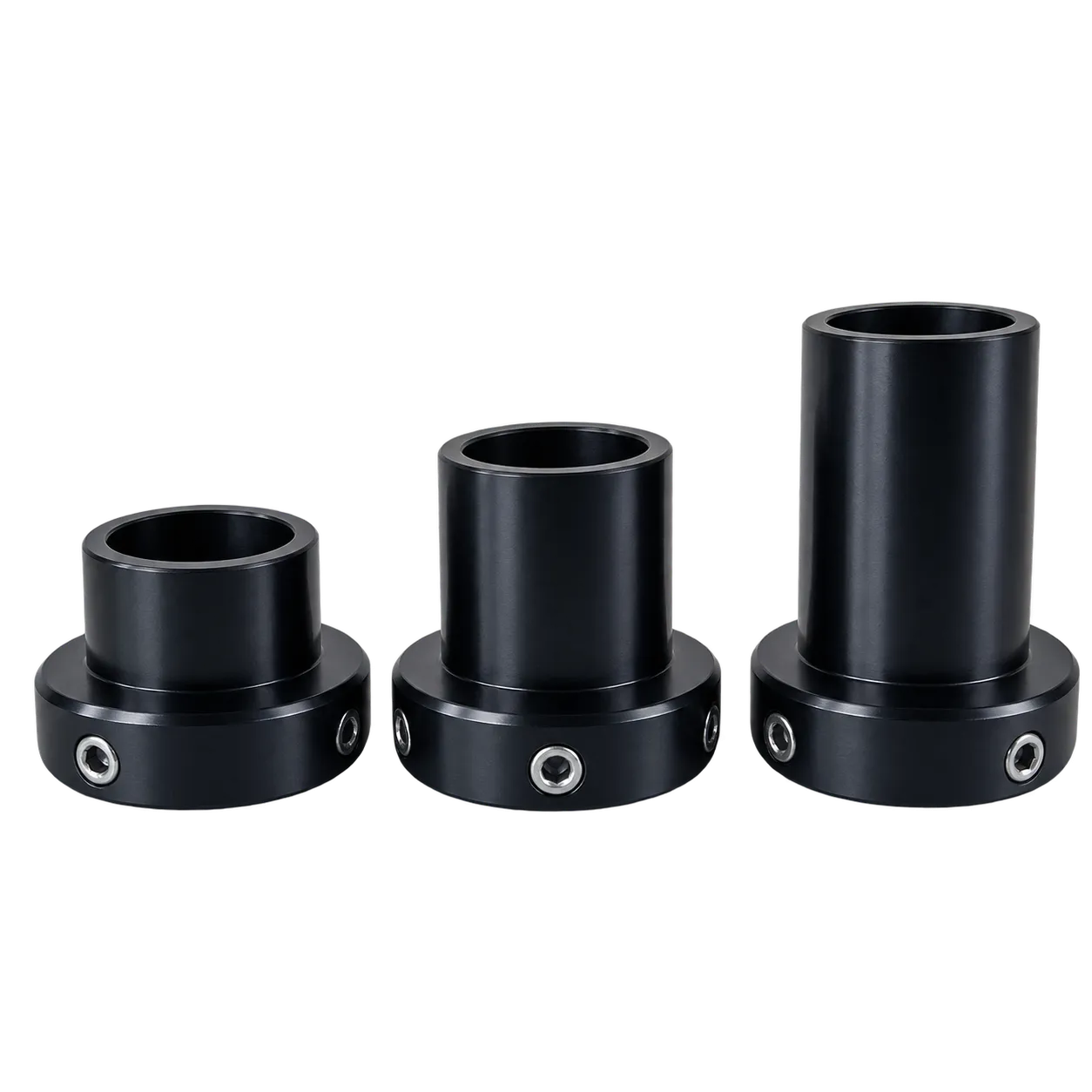
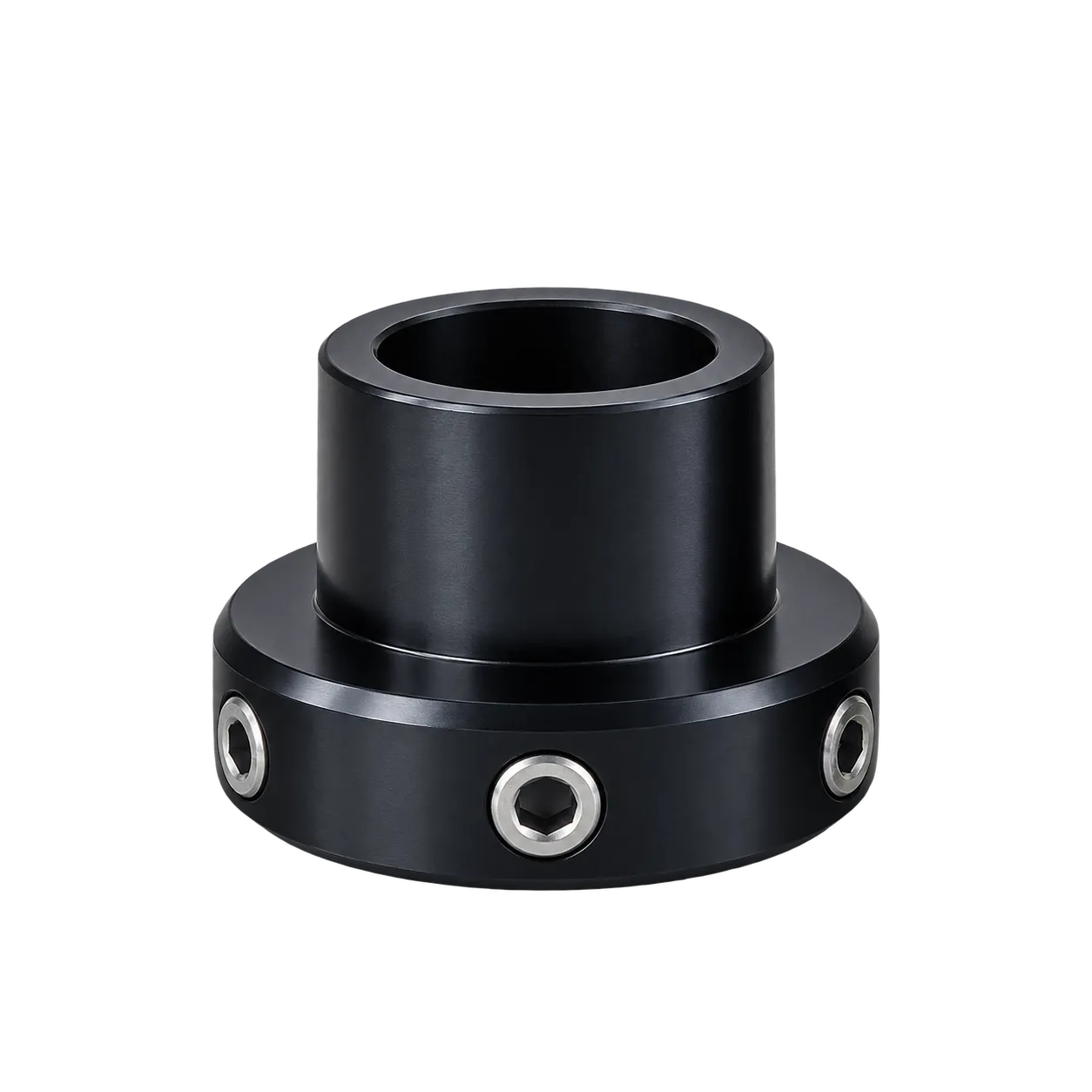
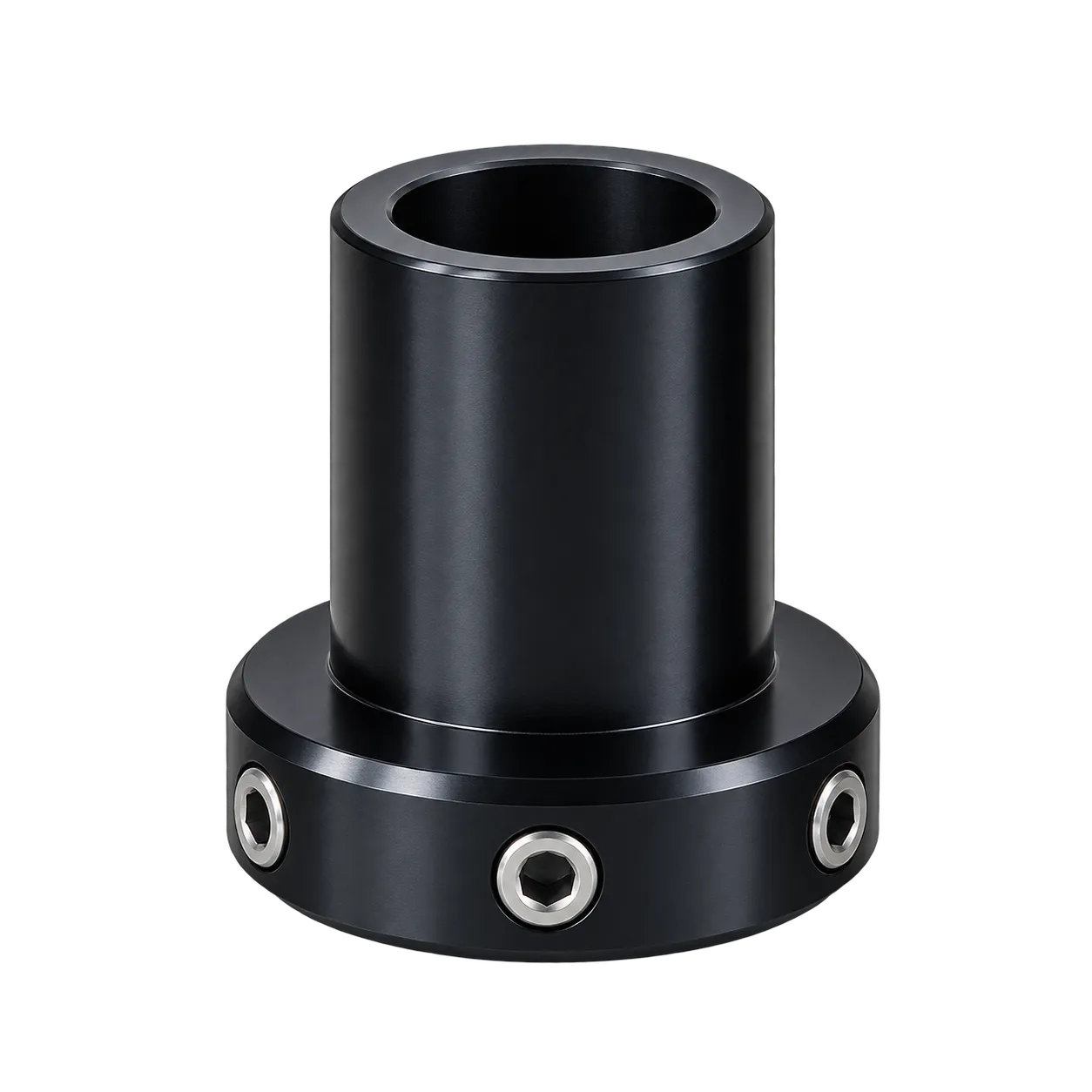
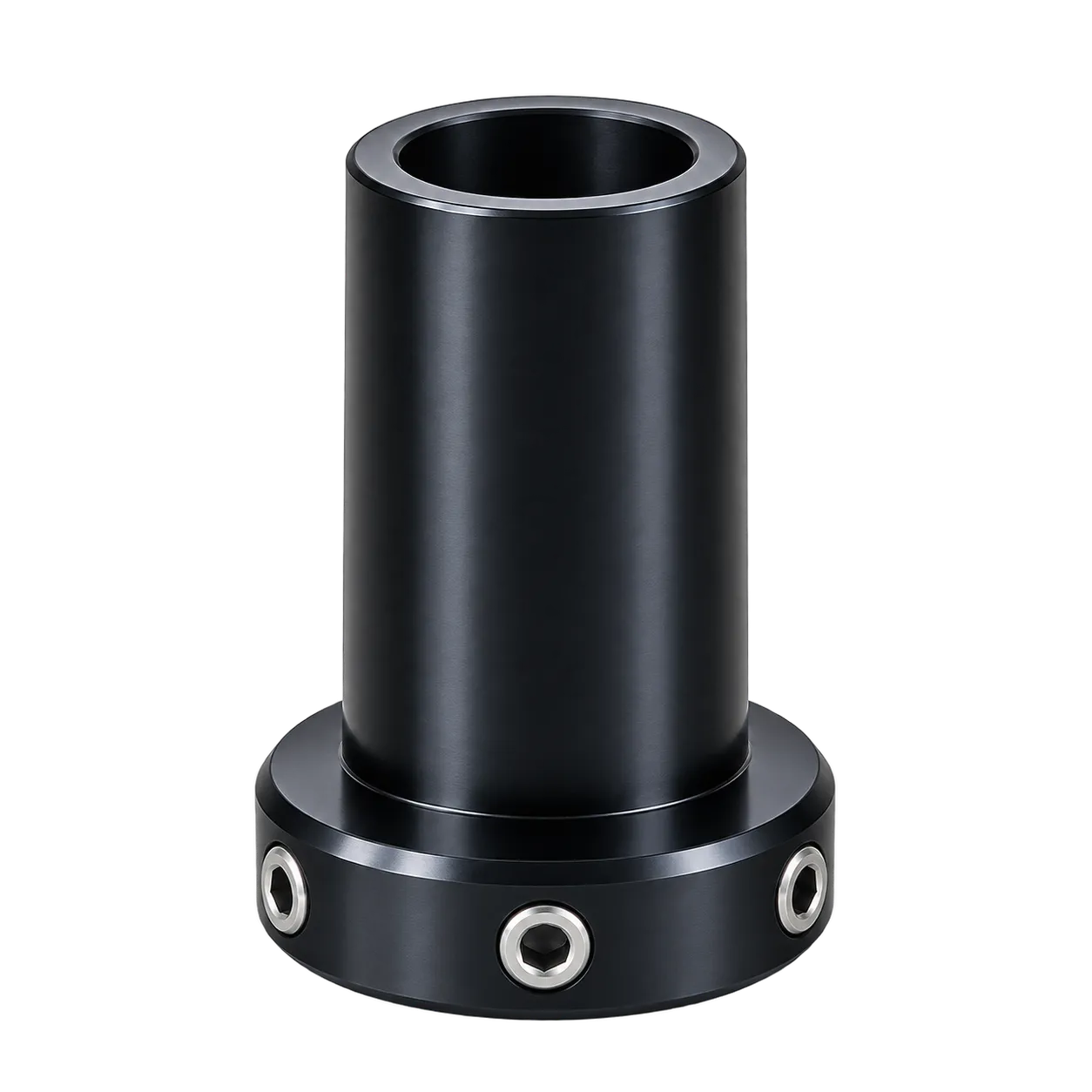
Modular transtibial and transfemoral builds use a tube clamp at the pylon connection.
Limb length is established at this fitting, so it carries the adjustment that matches a prosthesis to the contralateral side.
Toe-out and toe-in are set by rotating the pylon within the clamp before tightening.
Alignment revisited during rehabilitation depends on a clamped joint that can be loosened and reset.
Long residual limb and knee disarticulation fittings depend on build height, since space between components is limited.
Higher loads are commonly carried on 34 mm pylons, so the diameter the clamp accepts bears on which users it suits.
Clinics holding stock benefit from clamps matched to the pylon diameters and build heights they routinely fit.