
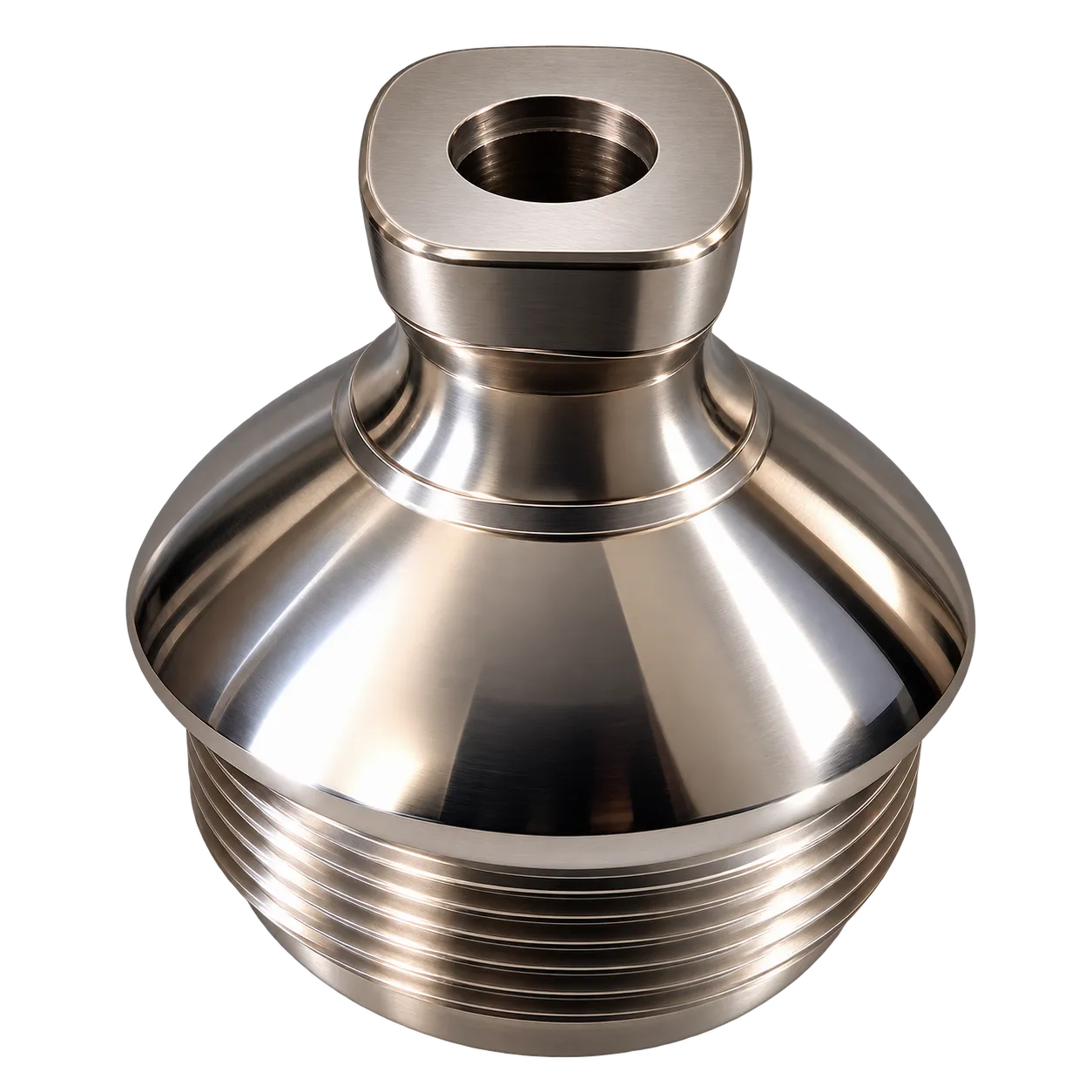
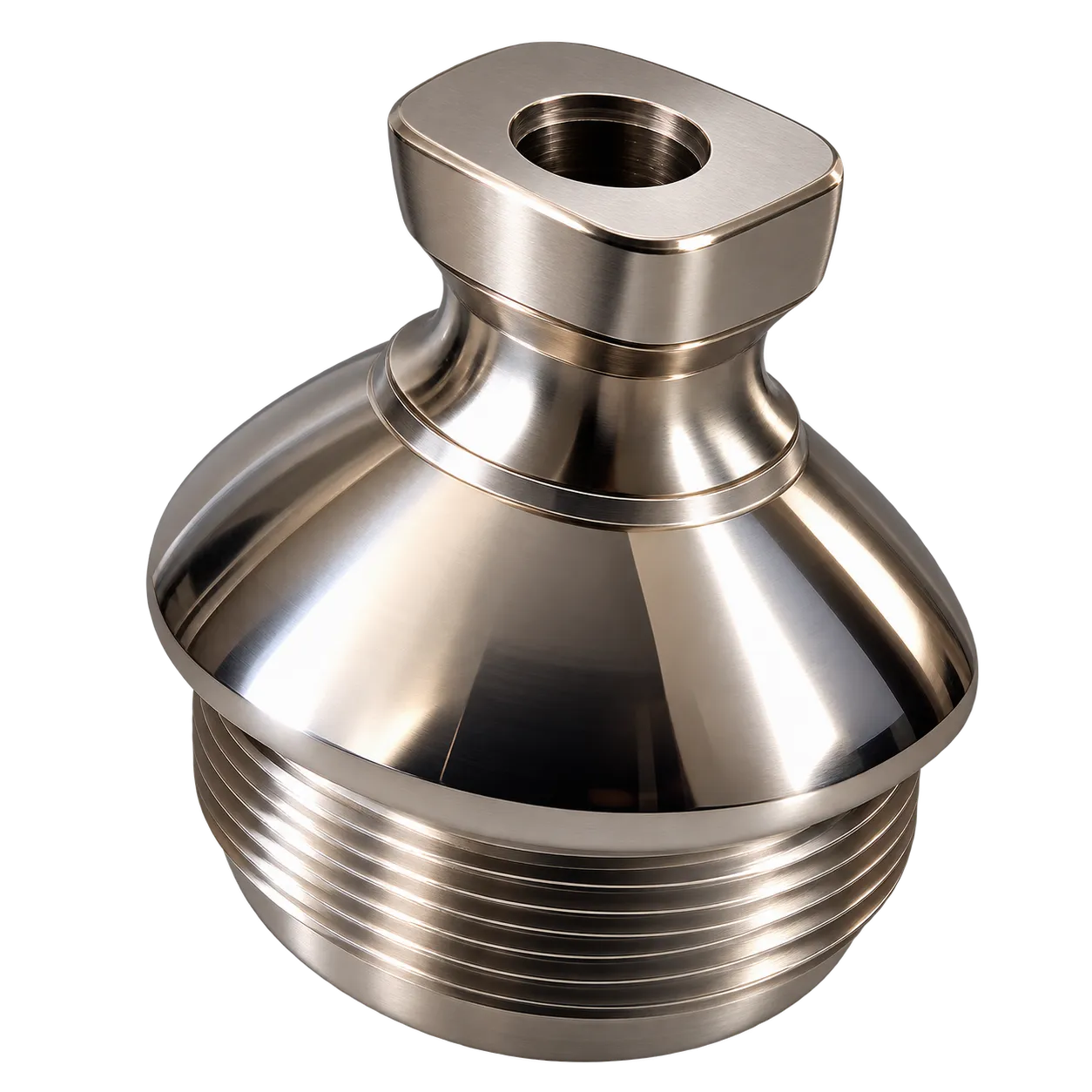
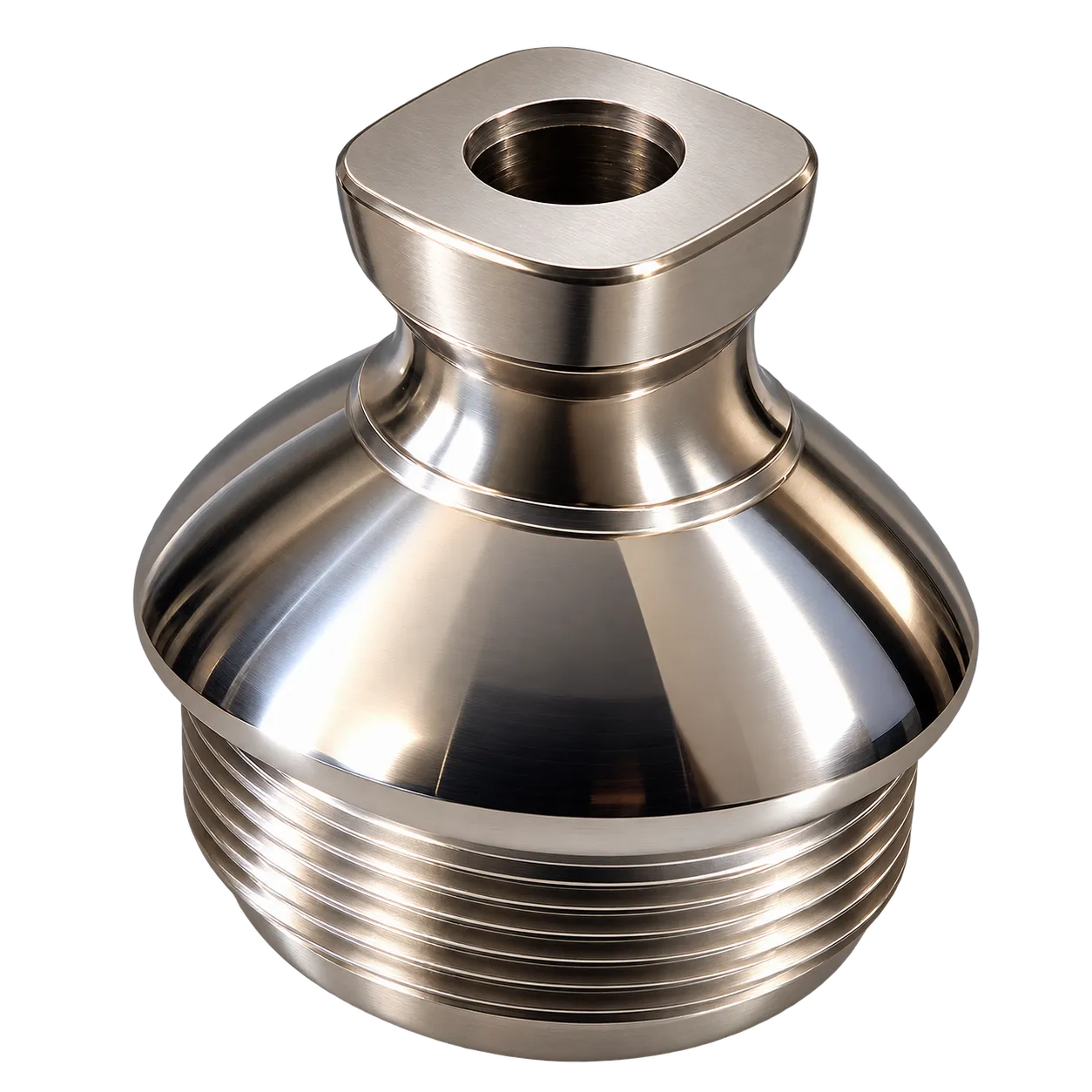
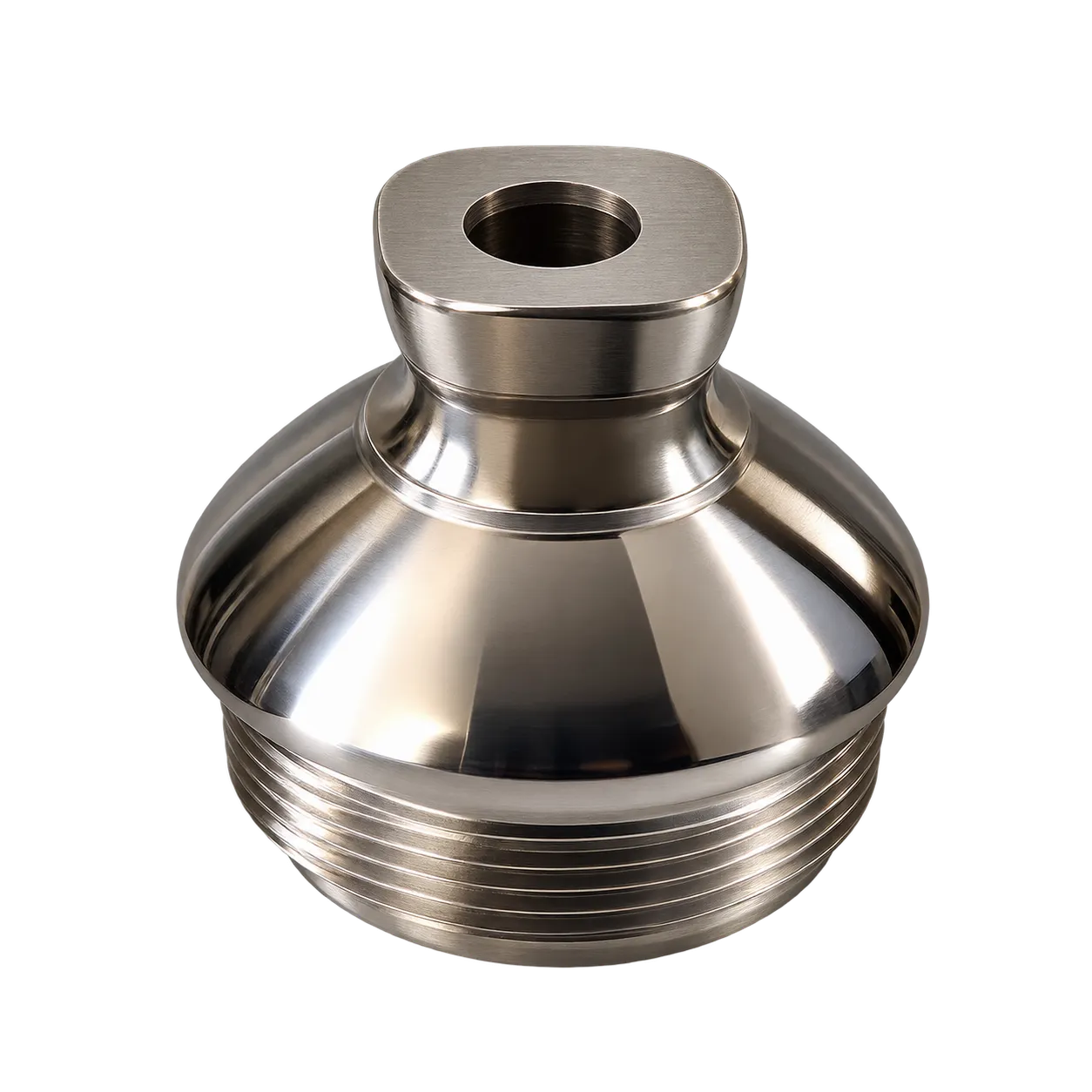
Prosthetic centres and limb-fitting services assembling modular limbs are the main users. The connector screws into a threaded component and presents a male pyramid. The intended components and amputation levels are not stated, so confirm them before adding the part to a build protocol.
Services that already use threaded components will find a screw-on pyramid convenient, once the thread matches.
Technicians should tighten it to the manufacturer's torque with the correct spanner and record the value.
Charitable limb programmes and export buyers should confirm the thread and compatible components before ordering in quantity.
Services that assemble limbs from threaded modular components may find a screw-on pyramid a convenient way to add a connection point. It is small, simple and easy to replace once the thread is known.
The connector should always be tightened to the manufacturer's torque with the correct spanner, and the value recorded. Over-tightening can damage the thread, and under-tightening can let the joint loosen.
Services that stock several threaded components should keep a written thread chart, so the right connector is chosen every time.
The connector is not a substitute for a lamination anchor; it joins threaded parts only. Confirm the intended pairing with the seller, and record which component it was fitted to.
Keep the thread chart with the spares and review it whenever a new threaded part is added to stock.
The connector is not suited to users above 125 kg or to components whose thread does not match. The conformity documentation those procurement routes require is issued by the manufacturer and provided by the seller.