

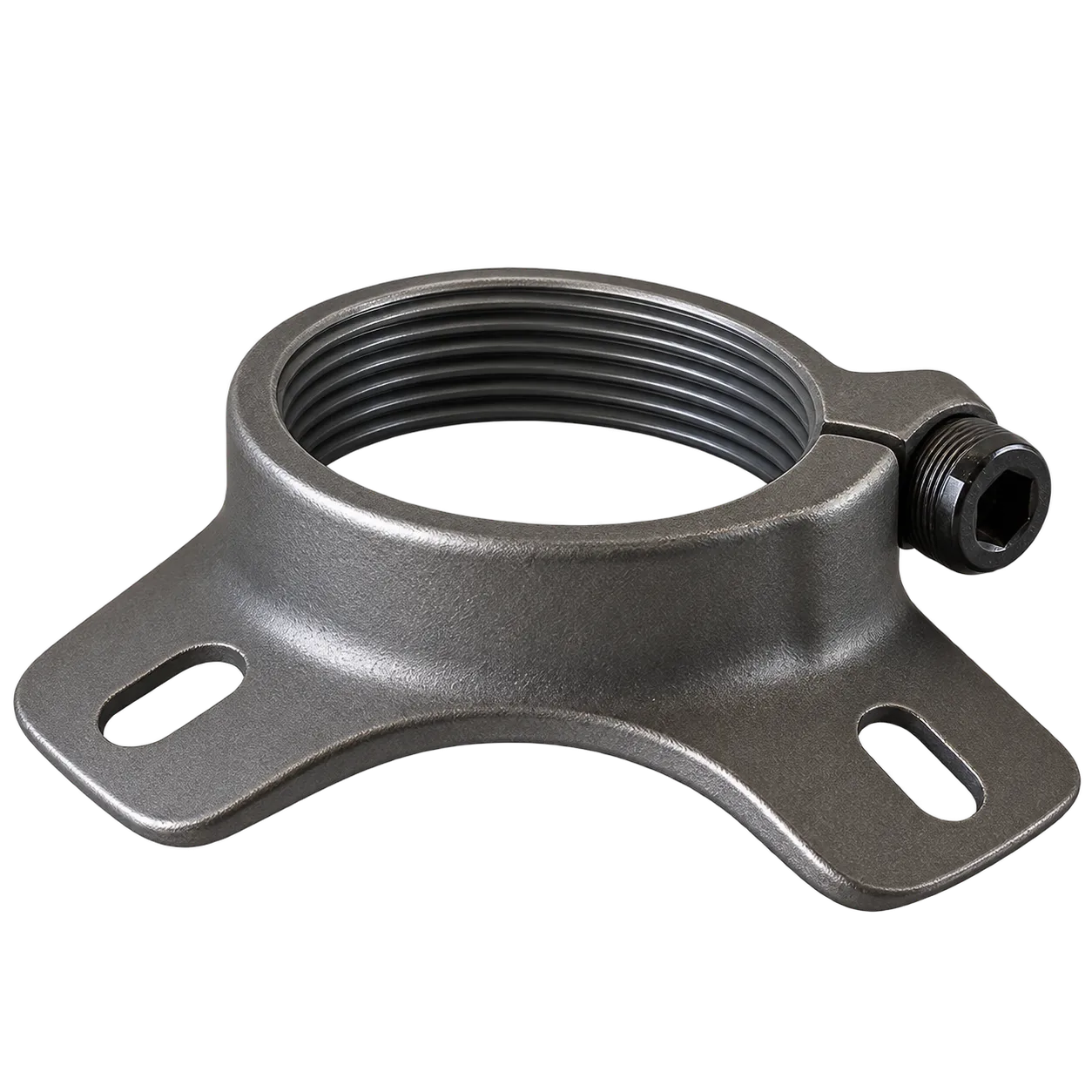
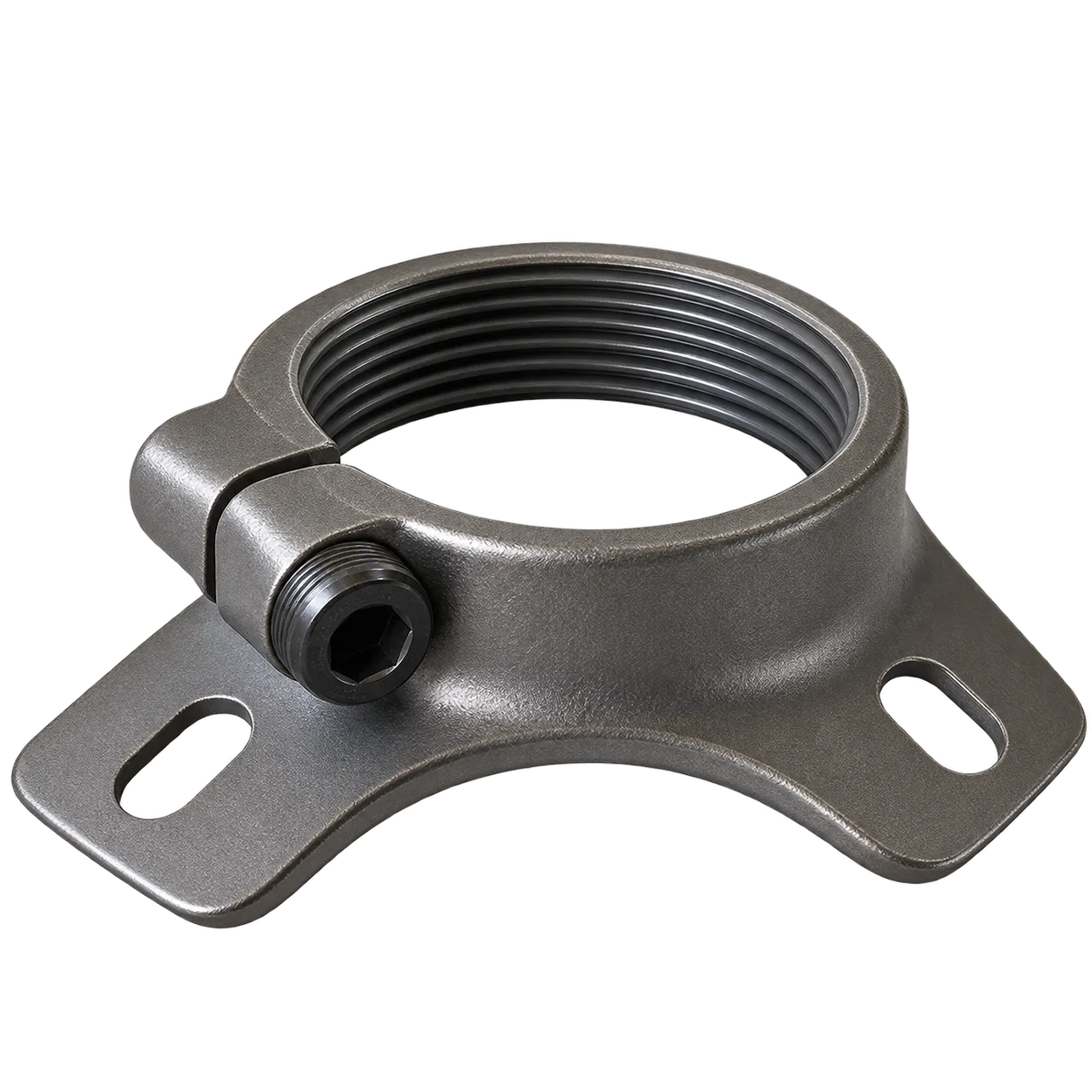
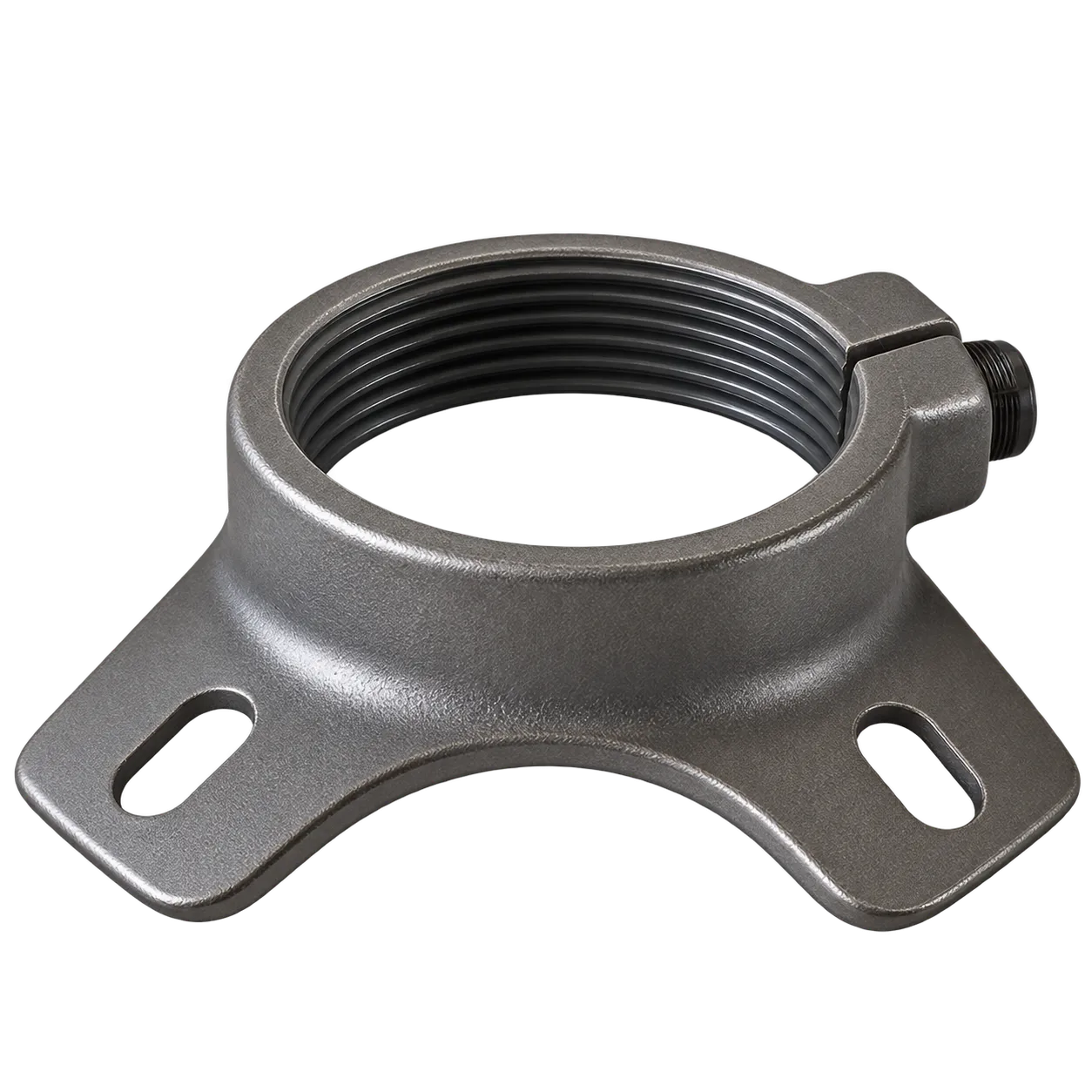
Prosthetic workshops and limb-fitting services that laminate their own sockets are the main users. The anchor is built into the socket during lamination and gives the limb its female receiver, so the service needs lamination equipment, resins, reinforcement materials and trained technicians. The intended amputation levels are not stated, so confirm them before adding the part to a build protocol.
Workshops producing sockets in volume, where each socket consumes one anchor, will feel the effect of material cost most. An aluminium anchor may suit their budgets, provided the rating and corrosion protection meet their needs.
Services in hot or humid climates, or fitting users who sweat heavily, should pay particular attention to corrosion. Isolating the aluminium from other metals and inspecting the joint at each review keeps the risk in view.
Charitable limb programmes and export buyers building sockets locally can stock the anchor alongside their lamination materials. Confirm the receiver type, dimensions, torque values, lamination instructions and surface treatment before placing an order, since the part cannot be tested once it is embedded.
Before a workshop standardises on the aluminium anchor, it is worth agreeing an isolation method for any joint with steel or titanium parts and writing it into the build protocol. That makes the corrosion question a routine build step.
The anchor is not suited to users above 125 kg, to limbs whose connecting components do not match its receiver, or to workshops without lamination capability. The conformity documentation those procurement routes require is issued by the manufacturer and provided by the seller.