
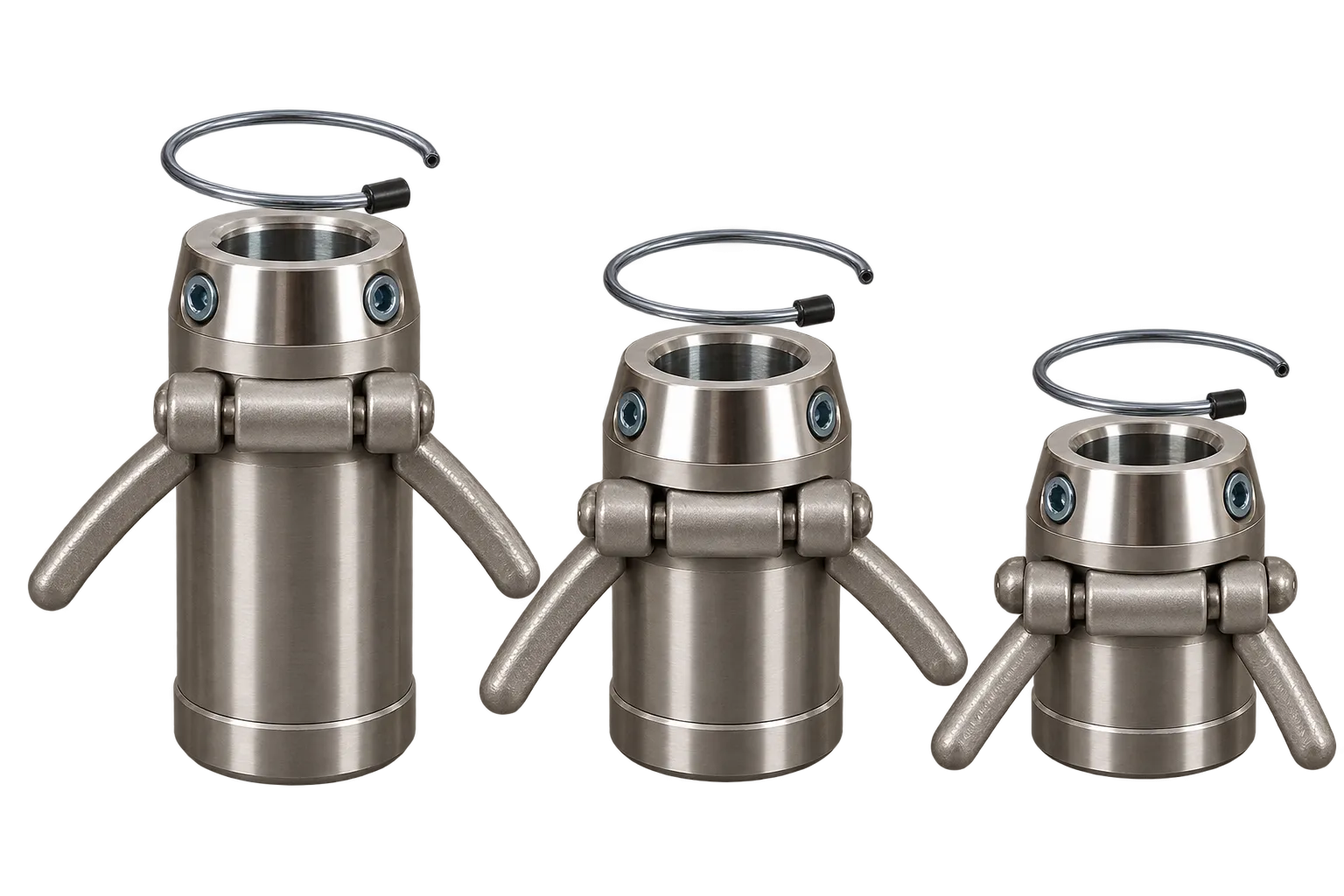
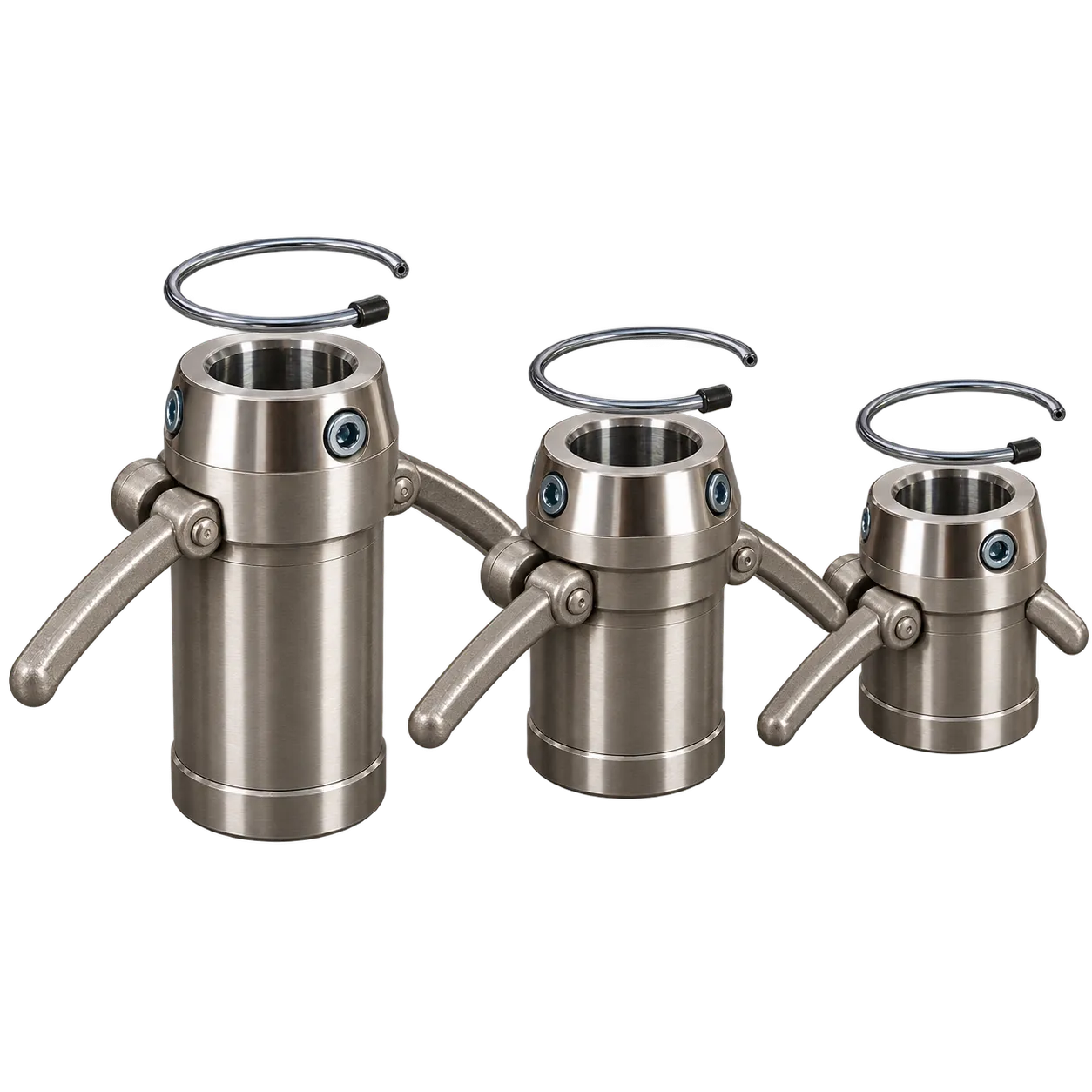
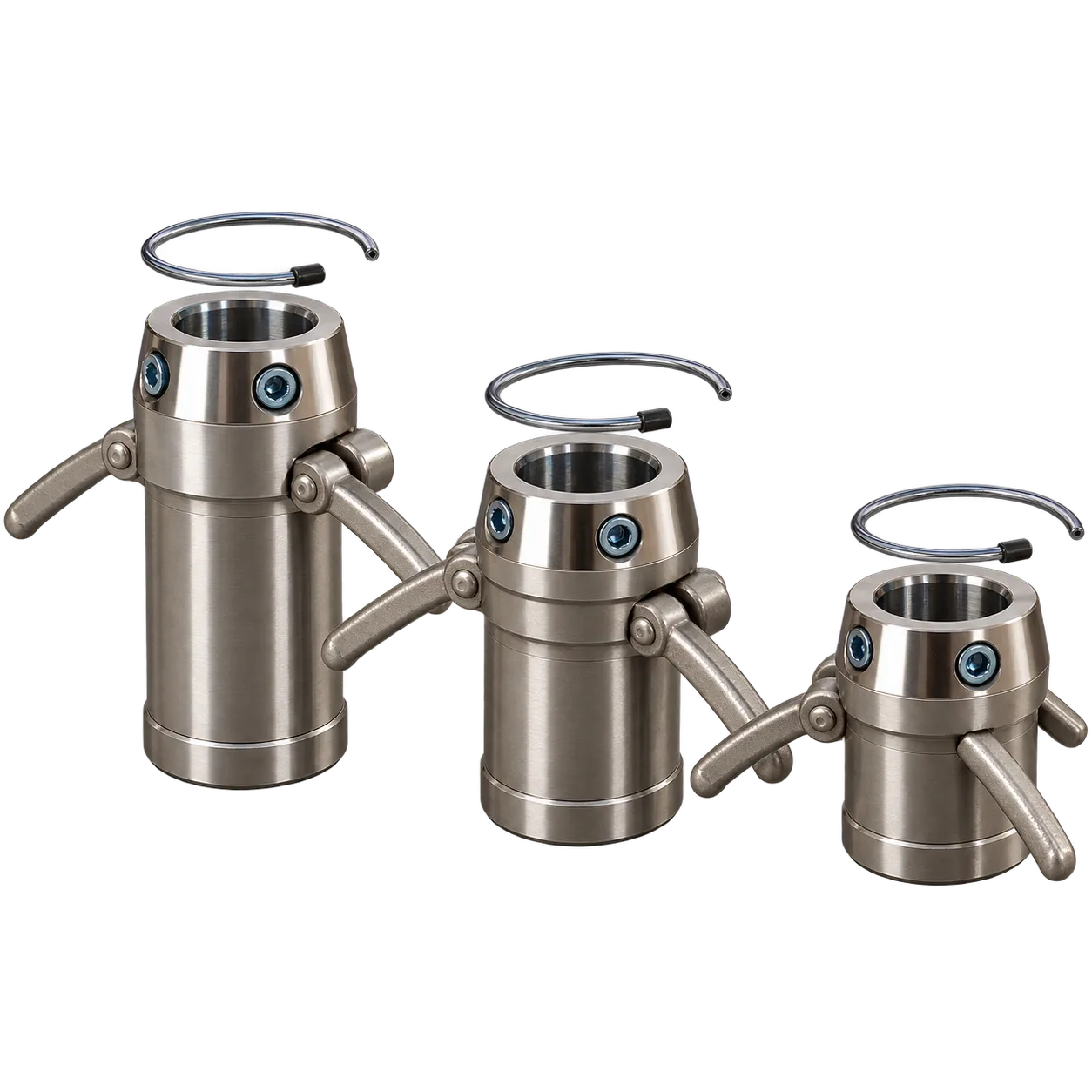
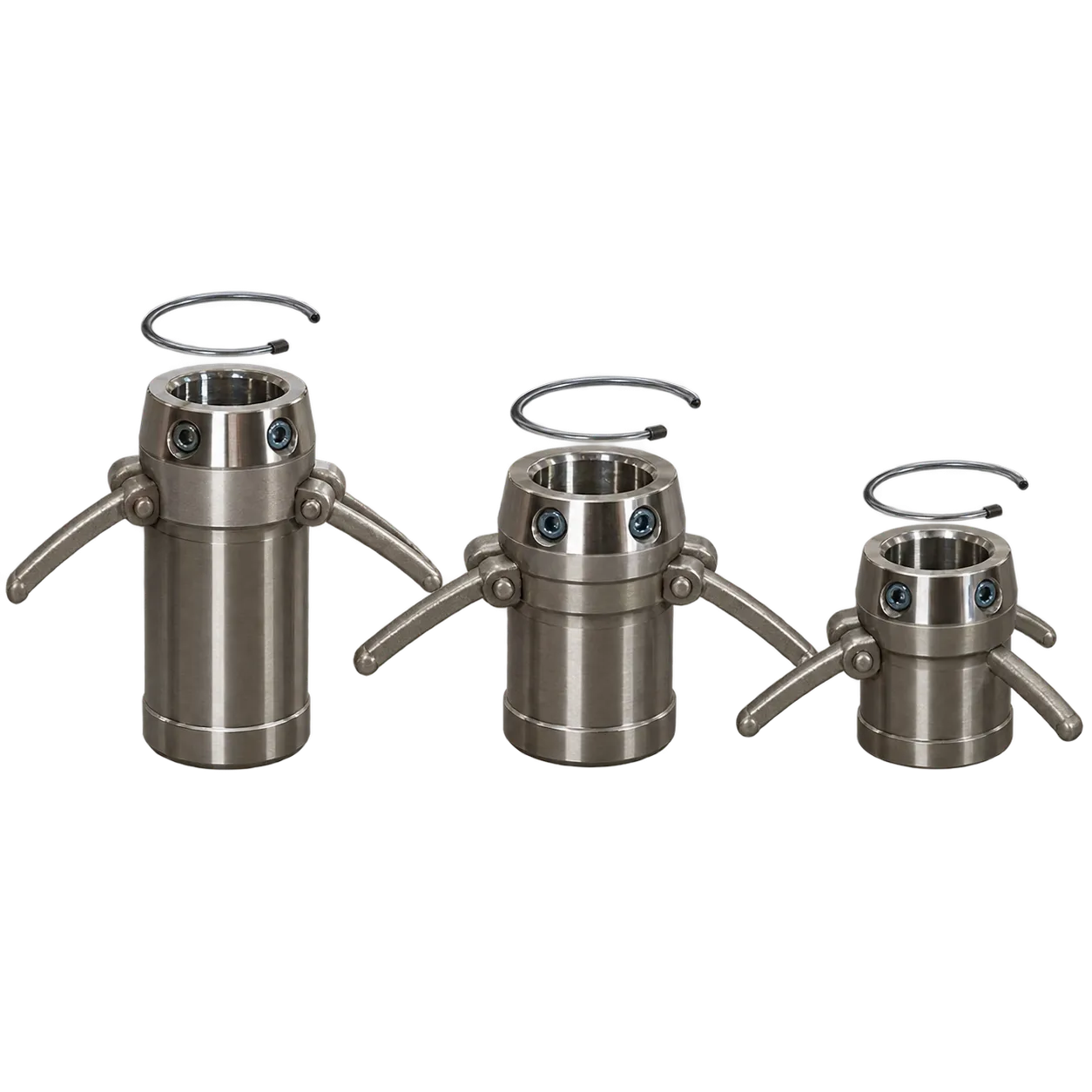
Prosthetic workshops and limb-fitting services that laminate their own sockets are the main users. The anchor is built into the socket during lamination, and its elongated stem adds height below the socket. The intended amputation levels are not stated, so confirm them before adding the part to a build protocol.
An elongated anchor helps with builds that have a gap between the socket and the next component. Taking that height inside the anchor keeps the number of joints in the limb low, and each joint removed is one less connection to check at review.
The prosthetist measures the gap, chooses the closest height, then fine-tunes through the components below. Recording the height used, and any rotation setting, on the build sheet makes a replacement socket easier to match.
Charitable limb programmes and export buyers can stock the heights their caseload needs. Confirm the rotation feature, receiver dimensions, torque values, and the test report for the tallest version before placing an order, since you can't test the part once it is embedded.
A trial on a practice mould is a sensible first step before the elongated anchor goes into a patient's socket, since a taller stem changes how the laminate wraps the base and how load reaches the arms.
The anchor is not suited to users above 125 kg, to builds with no height to fill, or to workshops without lamination capability. The conformity documentationrequired for those procurement routes is issued by the manufacturer and provided by the seller.