

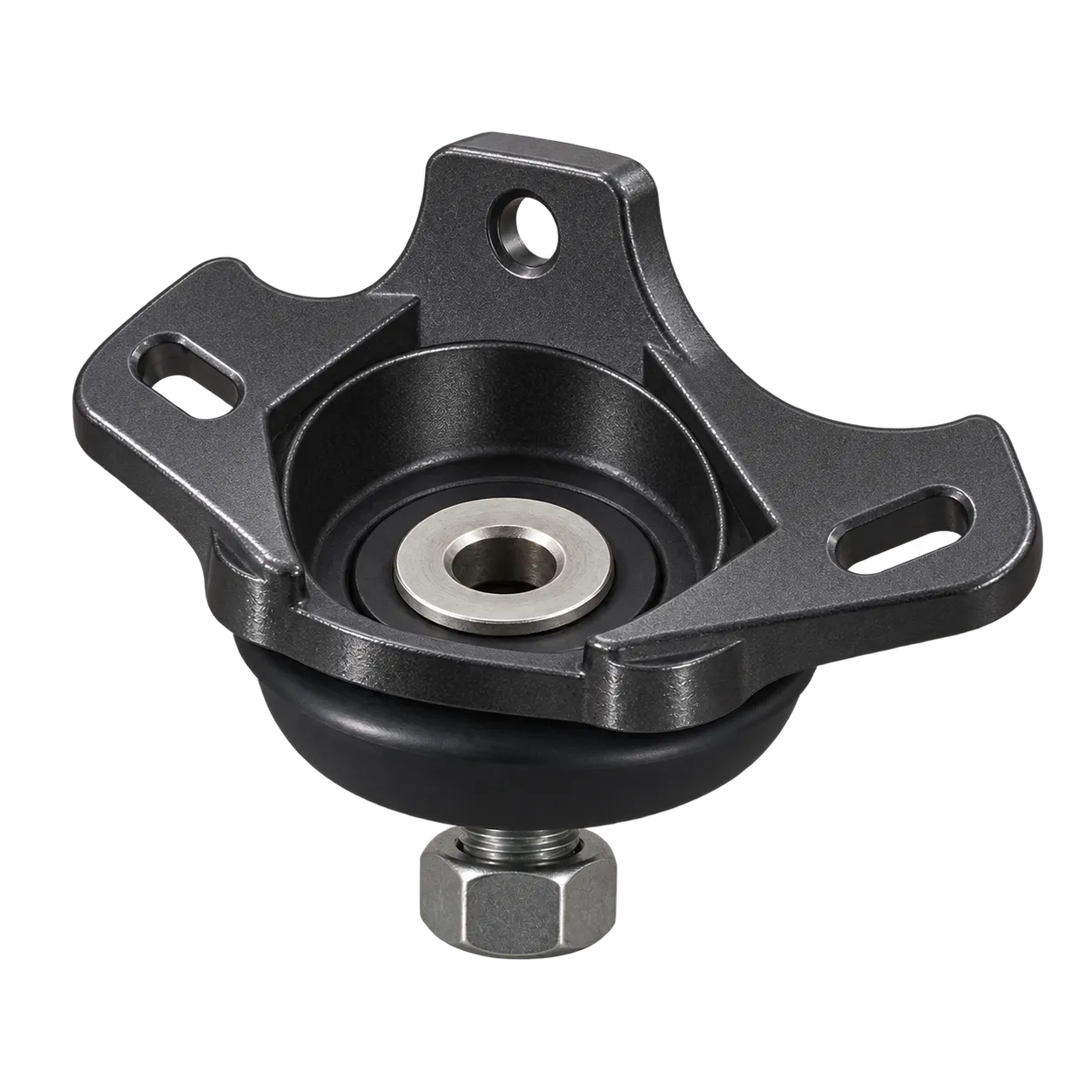
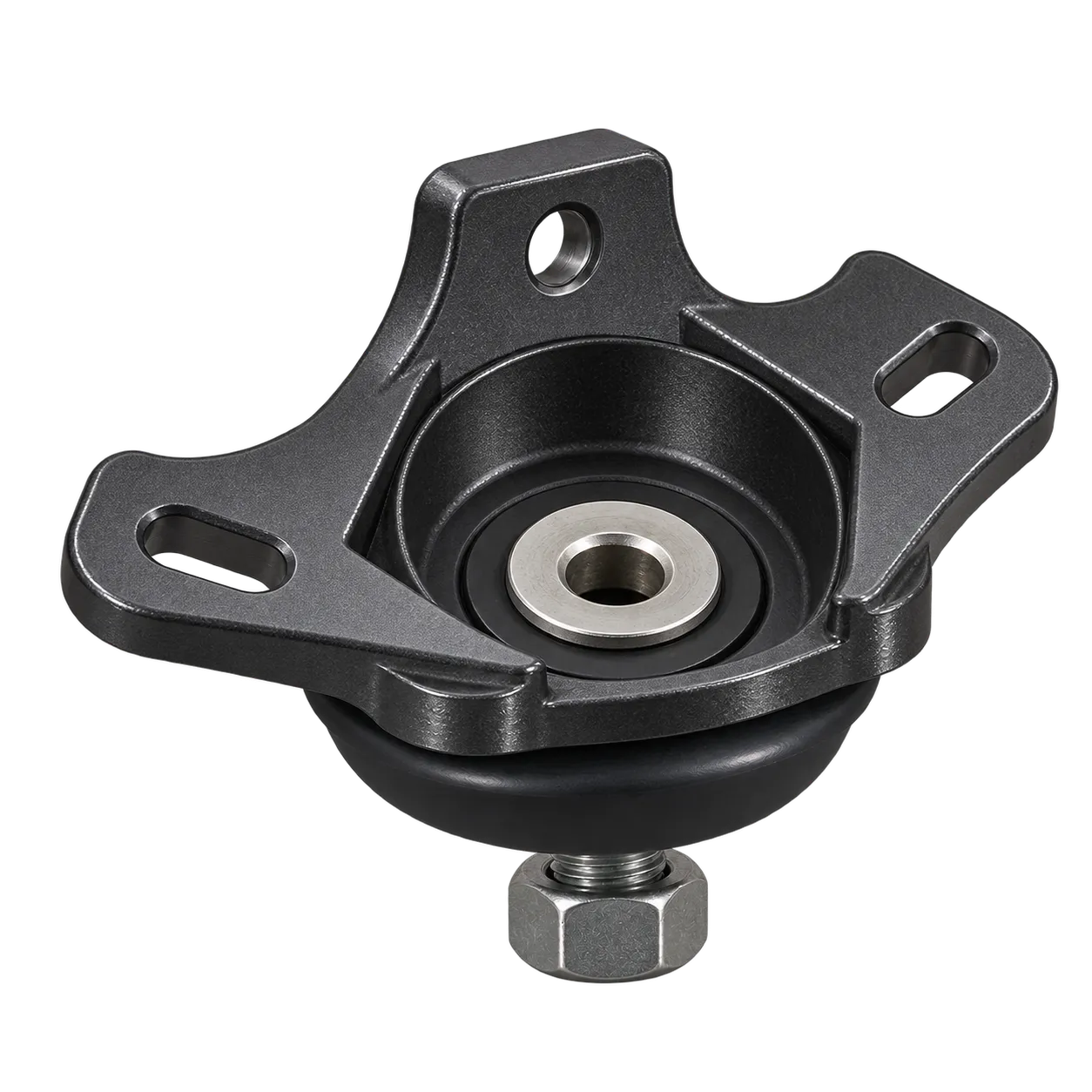
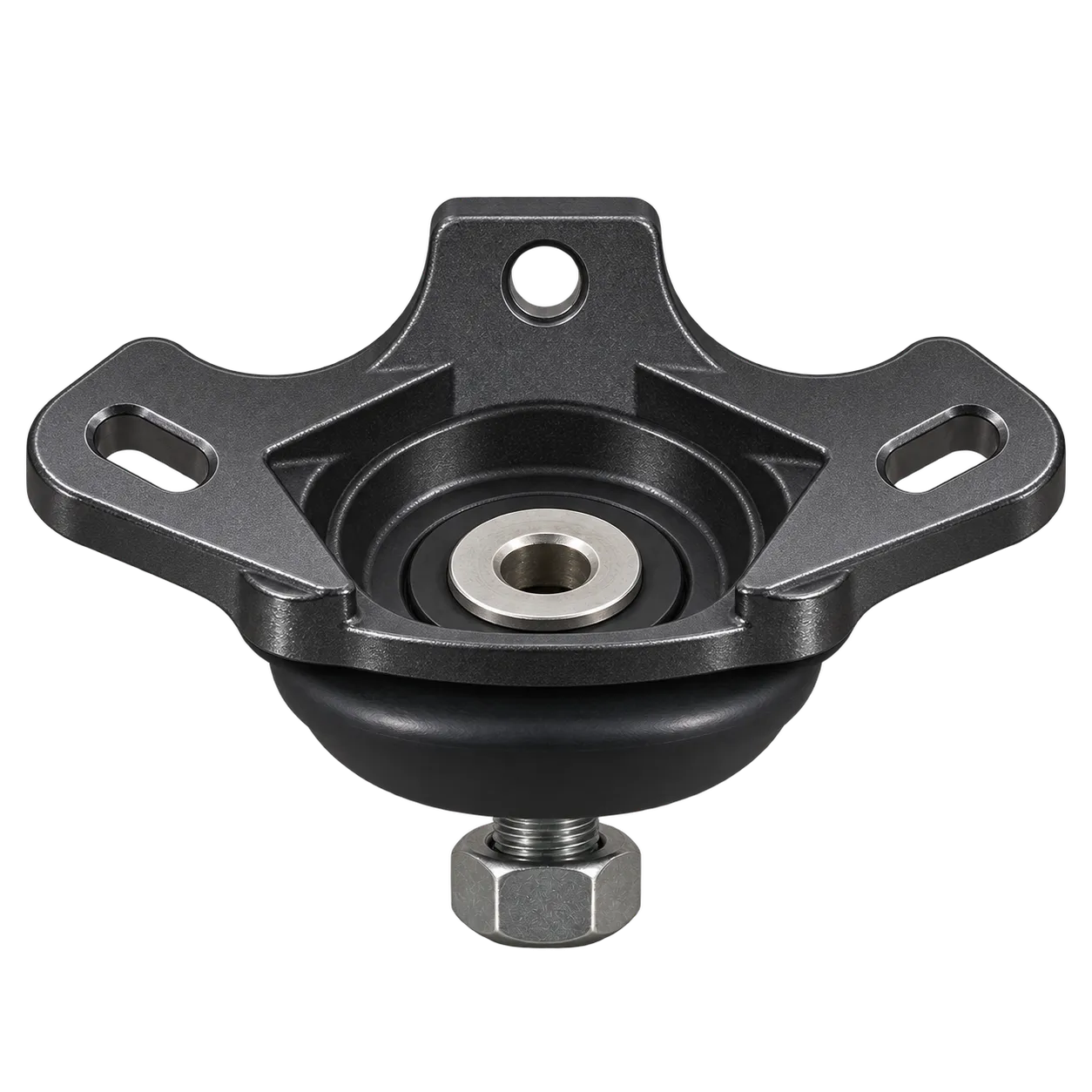
Prosthetic clinics weighing up components for a build often look to save weight close to the socket, where it is carried through every step. An aluminium adaptor answers that, provided its rating suits the wearer. The 4F63-M-AL gives clinicians that option once the factory has confirmed the alloy grade, build height and load figure. Medigear.uk supplies all three in writing along with certification records.
Rehabilitation services notice weight most with wearers who tire quickly or are early in their walking. Lighter components can make a limb feel more manageable through a therapy session, though the prosthetist decides whether the alloy rating fits the individual. Alignment can be refined at the pyramid as the wearer's gait develops. Medigear.uk can supply manufacturer documentation and the confirmed rating for a service's own records.
Socket fabrication workshops need lobe spacing and the attachment method before they lay up a socket. Getting those figures in advance avoids rework when the adaptor arrives. The pyramid format is confirmed at the same time, so the adaptor mates with the receivers a workshop already holds in stock. Volume terms, OEM branding and ODM work are arranged through Medigear.uk.
For the wearer, a lighter connection under the socket is felt over a long day rather than in a single step. The adaptor itself should stay silent and secure once torqued. Any movement, clicking or change in how the limb sits deserves a mention at the next appointment rather than being left to settle. Medigear.uk answers questions from wearers ordering replacements with their clinical team.