
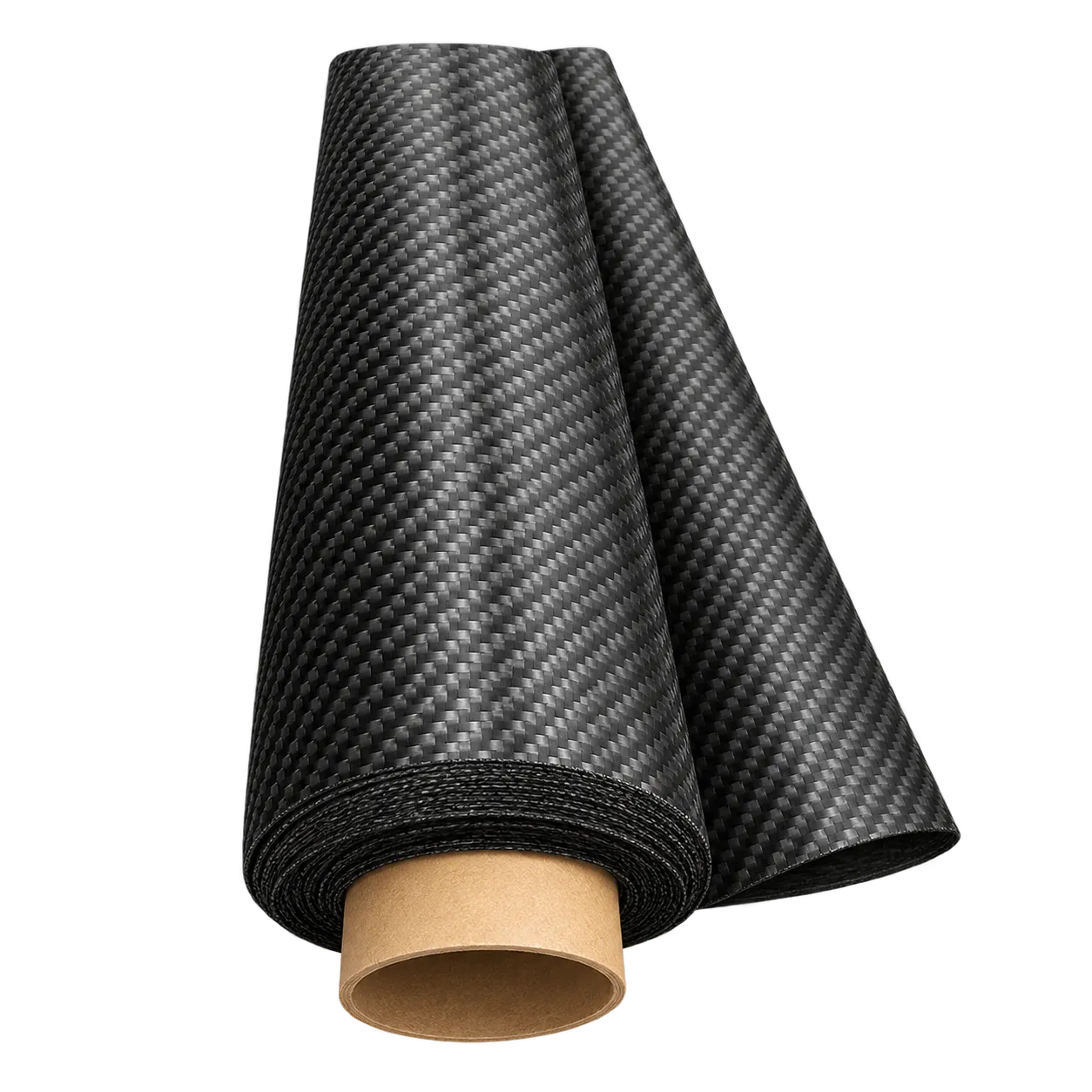
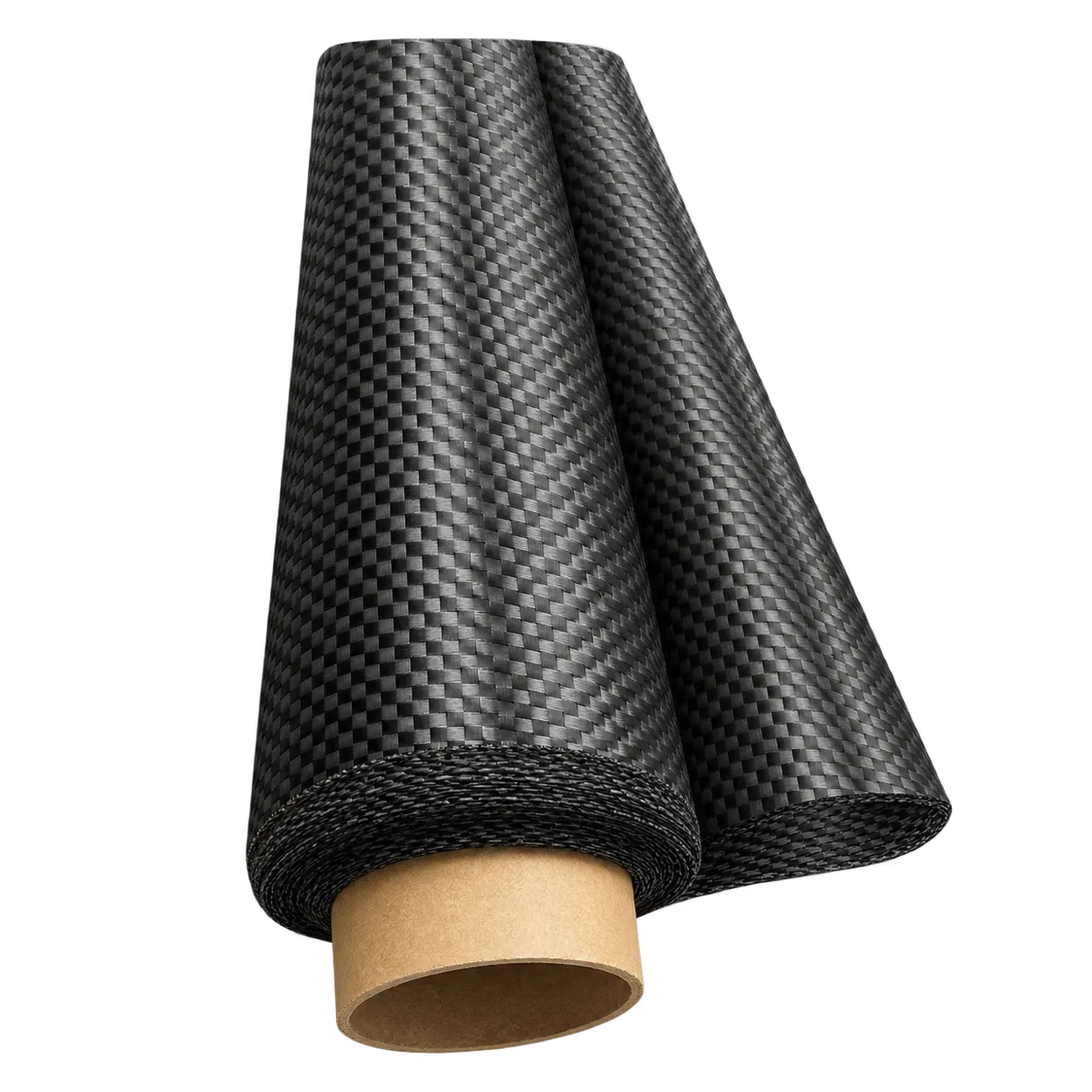
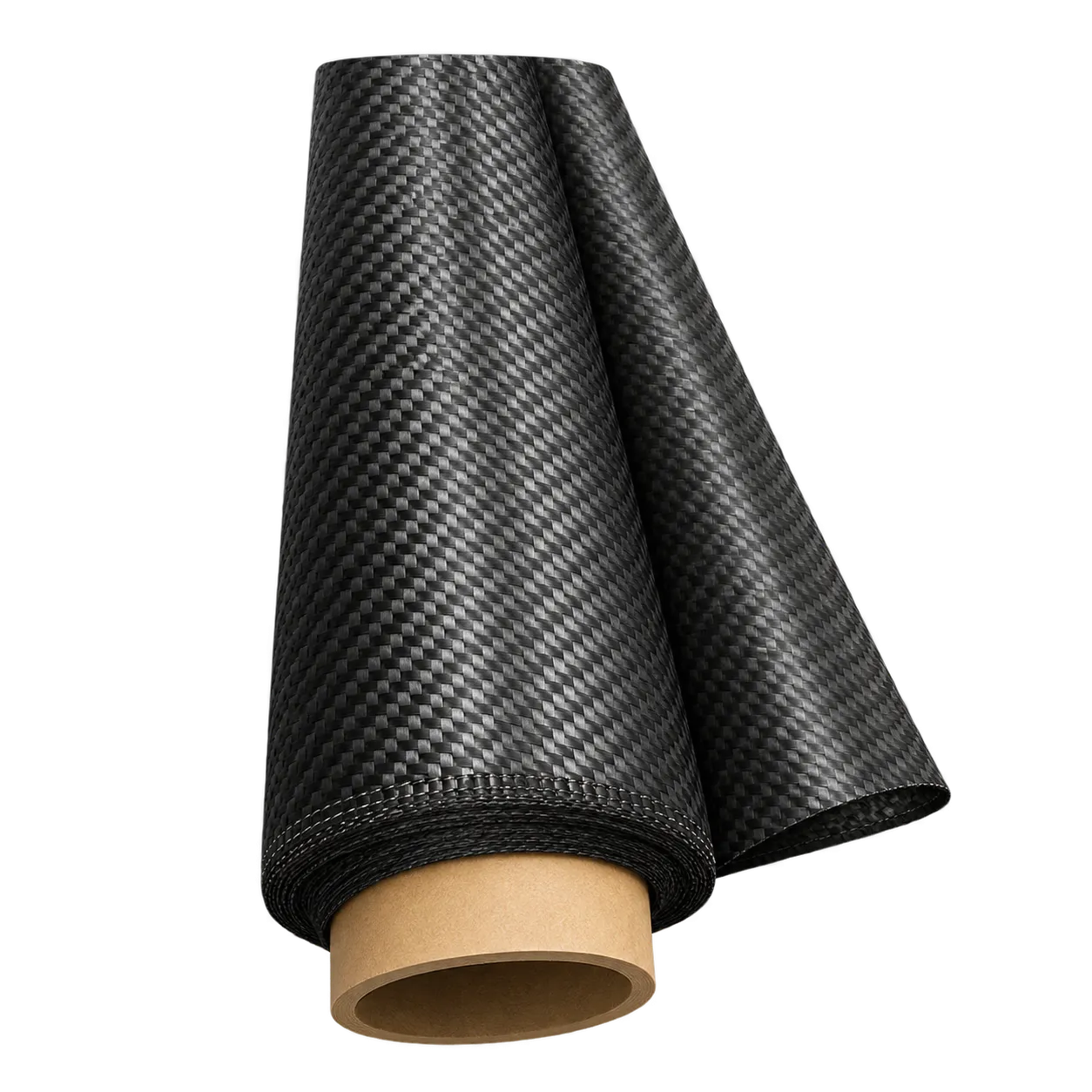
The CFCL is aimed at prosthetic workshops, where a positive mould of a residual limb is turned into a finished socket. Prosthetists set the plan, and technicians do the cutting and laying at the bench. Carbon fibre cloth enters that routine as a layer: a piece is cut from the roll, laid over the mould and wetted with resin.
Width is the working advantage. At 1.0 m, the cloth covers a broad mould in a single piece, and a narrow job leaves plenty of cloth for a second piece beside the first. The technician marks the outline on the cloth, cuts it and returns the remainder to the roll. Offcuts wait on the roll for the next mould, so very little cloth sits idle between jobs.
Limb-fitting centres, the prosthetic units of rehabilitation hospitals and independent laboratories all make sockets by much the same sequence of mould, cloth and resin. A single listed width keeps the stock shelf easy to read, and a bench of one metre or more suits the cutting.
Ordering follows from the same simplicity. With one width under one item number, a buyer for a clinic or workshop names the item and the purchase is complete. Stock is counted by the roll, and the roll in daily use is the one that gets reordered.
In the end, the wearer receives a socket that follows the mould of their own limb, with the carbon fibre layer built in. Each person brings a different shape, so a workshop that holds a full metre of cloth can cut to suit the mould in front of it.