
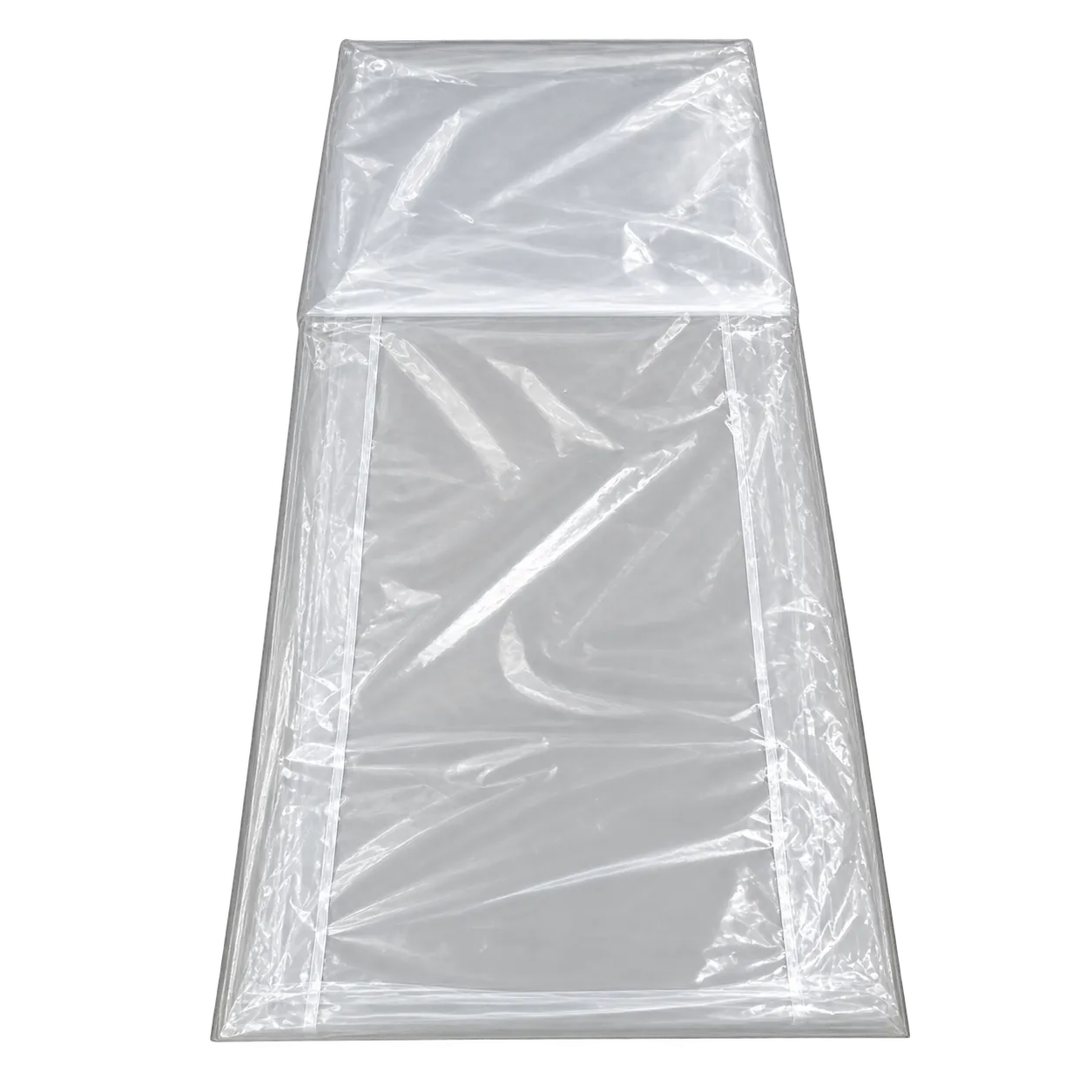
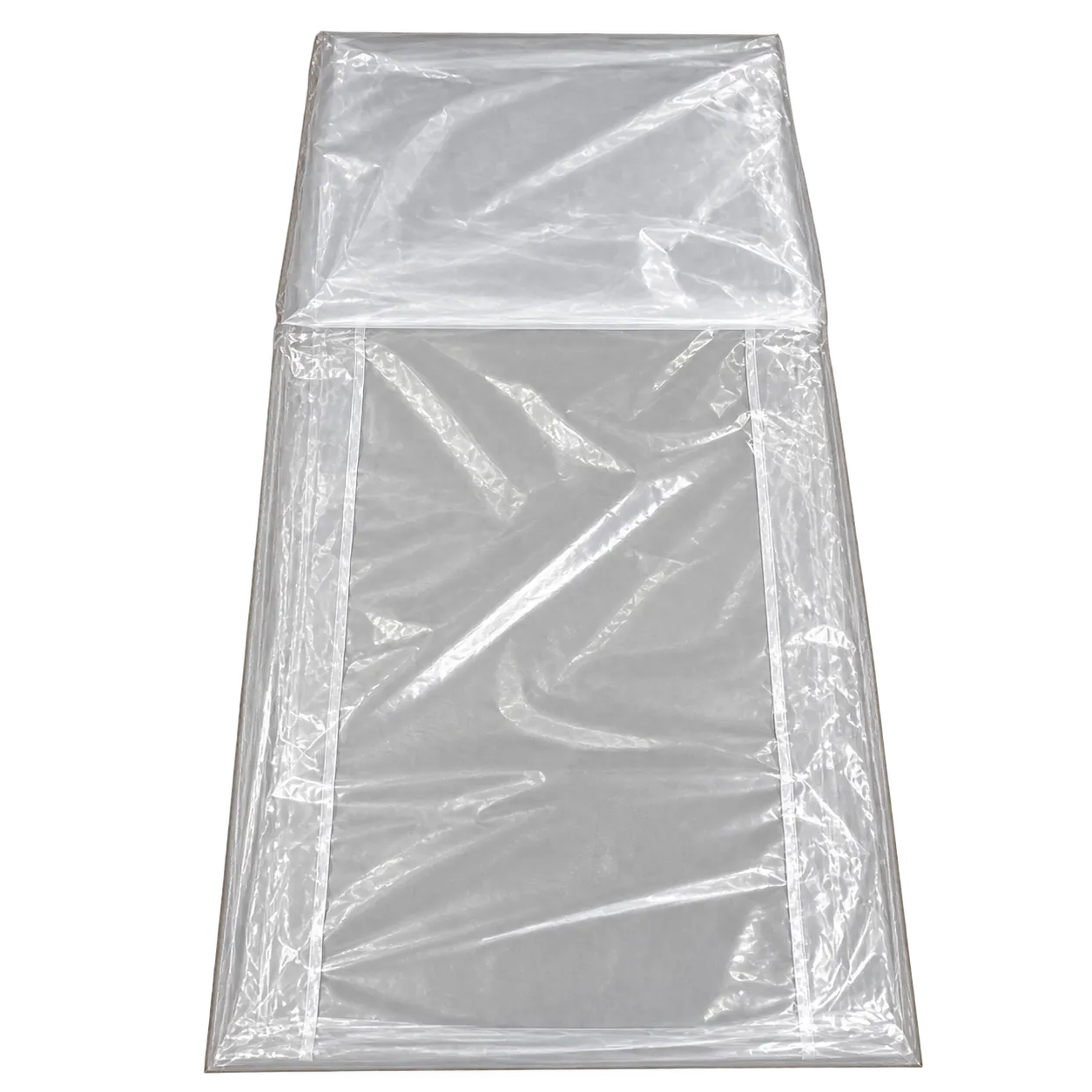
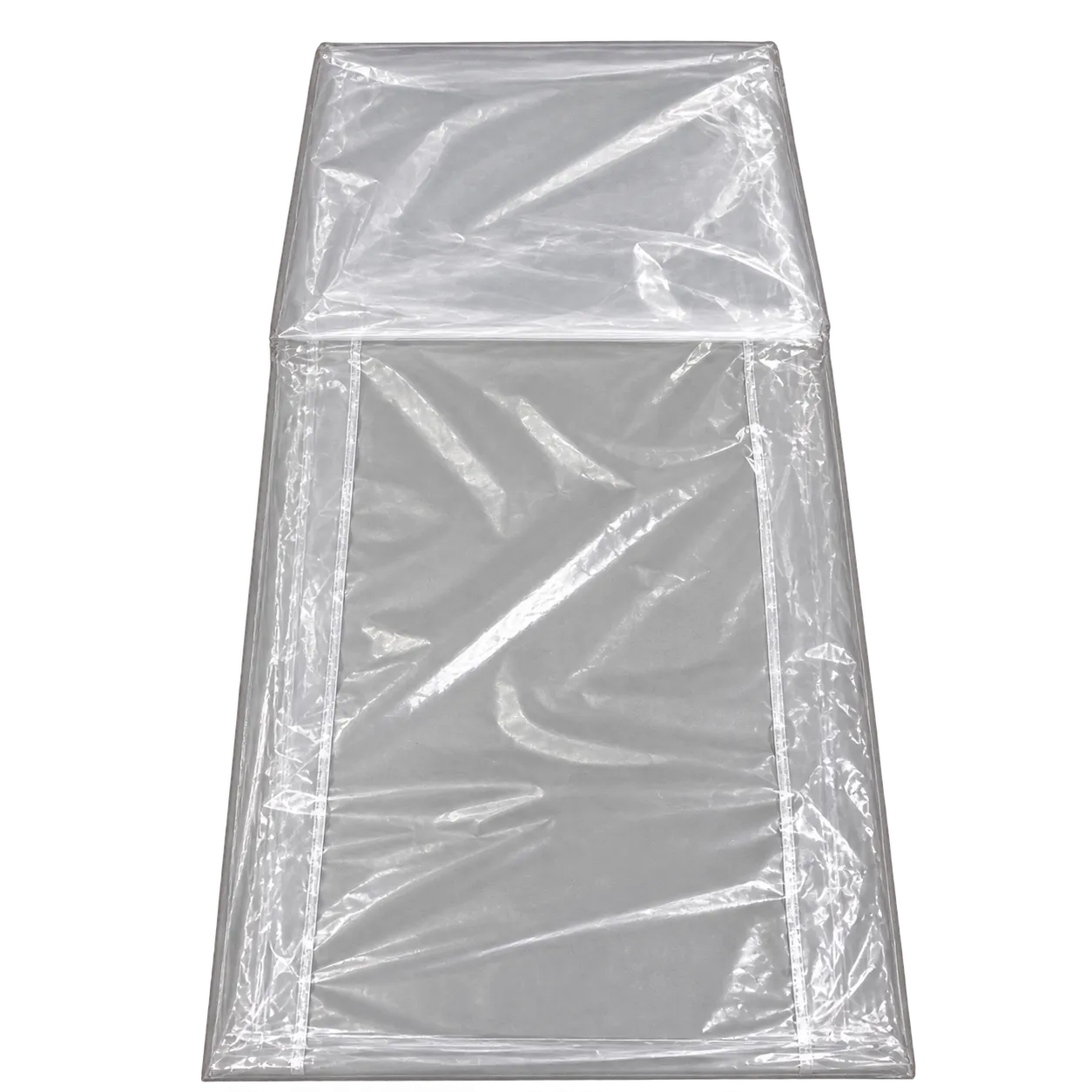
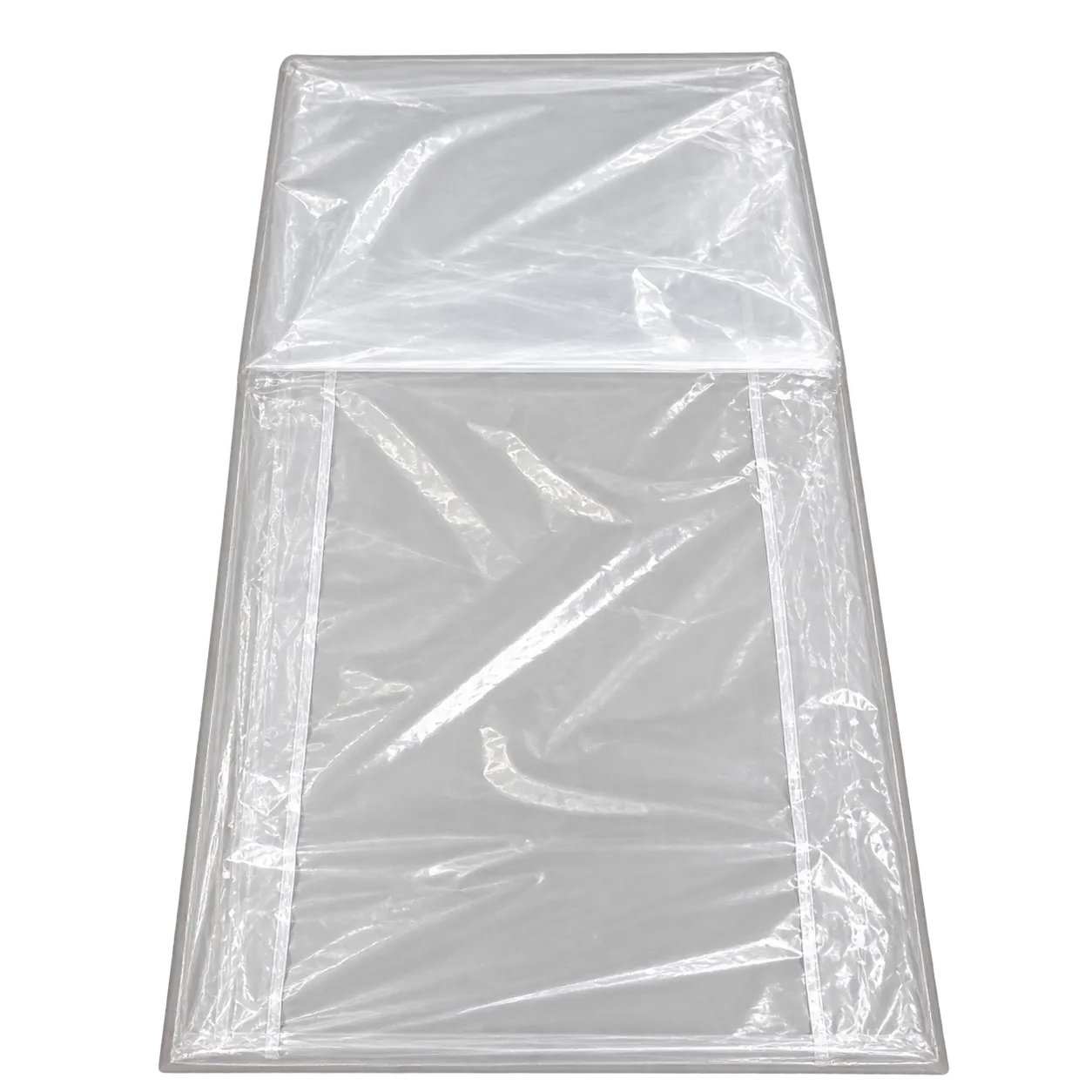
Prosthetic and orthotic workshops use PVA-PS. Technicians laminate sockets, frames and orthotic shells over a positive plaster model, and every lamination starts with a PVA layer between the model and the resin. A pre-shaped bag turns that step into a single movement: the bag goes over the model, and the build moves on.
In a typical lamination, the technician prepares and dries the plaster model, pulls on the first PVA bag, and builds up the reinforcement layers of stockinette, fibreglass or carbon. A second PVA bag then encloses the lay-up, resin is poured in, and vacuum draws the bag down so the resin flows through every layer. The PVA-PS serves either role, depending on the size chosen.
Hospital prosthetic departments, private prosthetic clinics, and orthotic laboratories all use this process for new devices and replacement sockets. Patients whose residual limb has changed shape need a new socket, and each new socket is a new lamination. Six sizes, from slim 130 mm widths to broad 500 mm widths, cover slim models through to broad ones.
Orthotic laboratories follow the same sequence for laminated ankle-foot orthoses, knee orthoses, and spinal shells, where the longer one-metre bags match the model's full length. Training workshops for prosthetic and orthotic students use PVA bags in every lamination exercise. A ready-made bag lets students concentrate on the lay-up and the resin.
Day to day, prosthetic and orthotic technicians, prosthetists, and students handle the bags, and the patient wears the finished laminated device.