
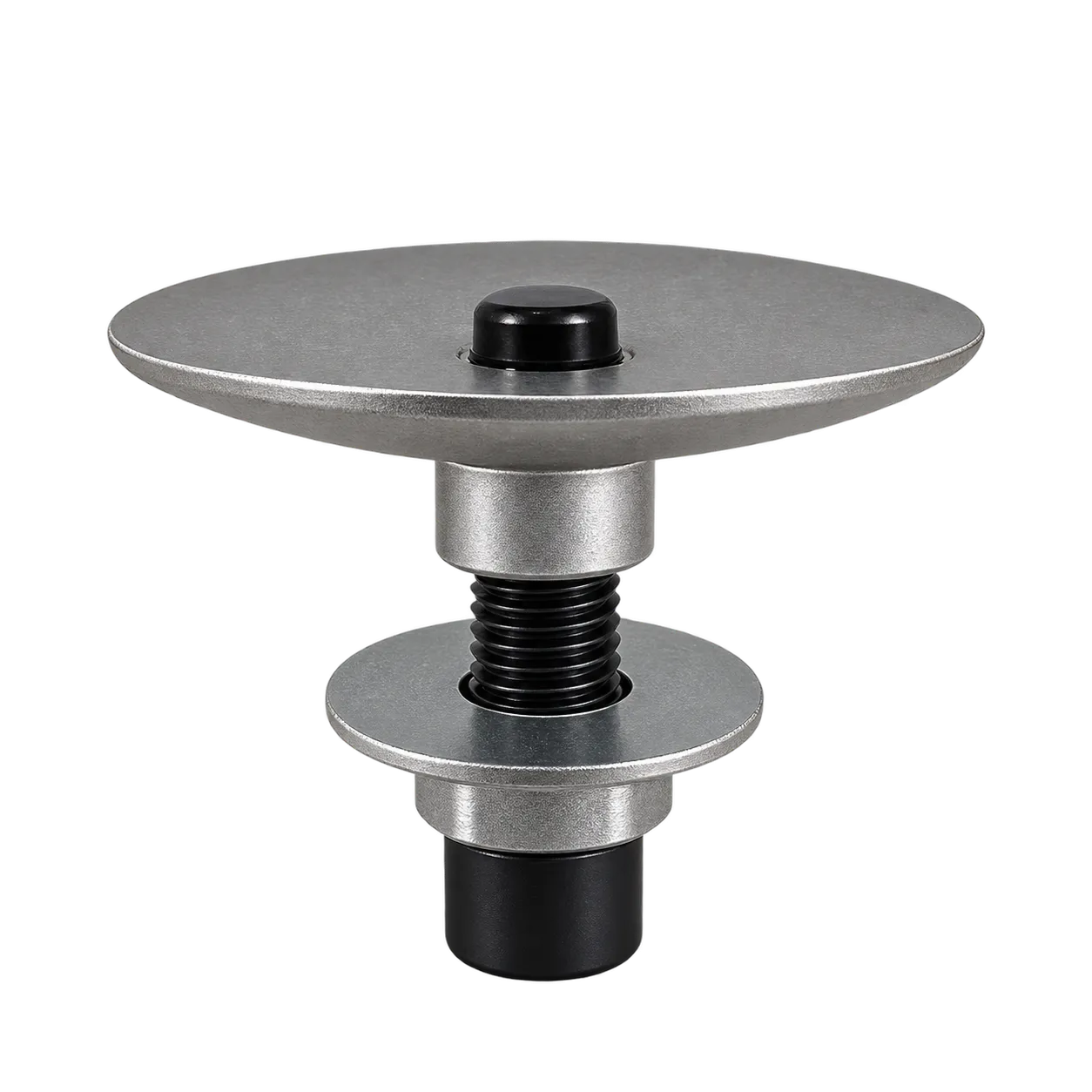
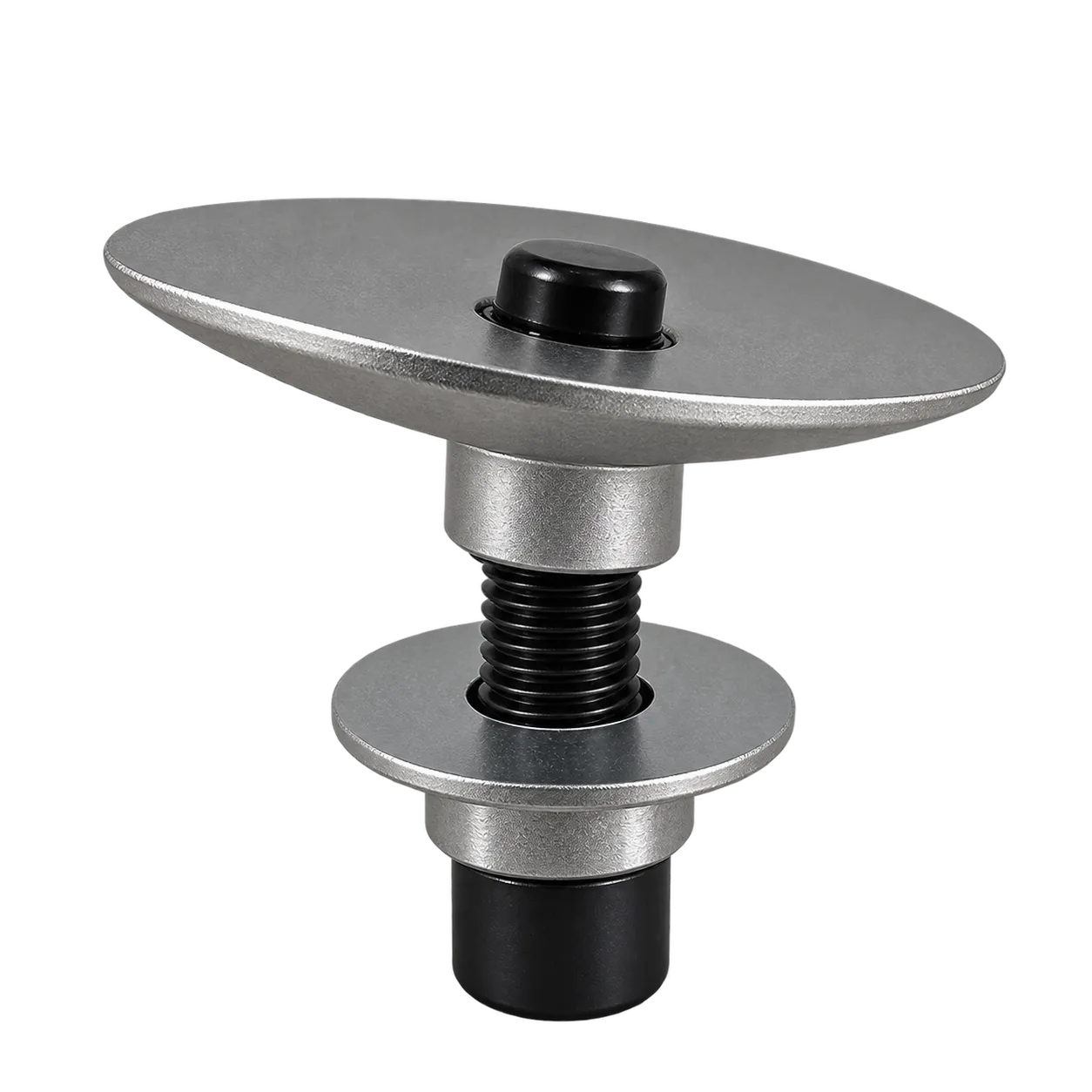
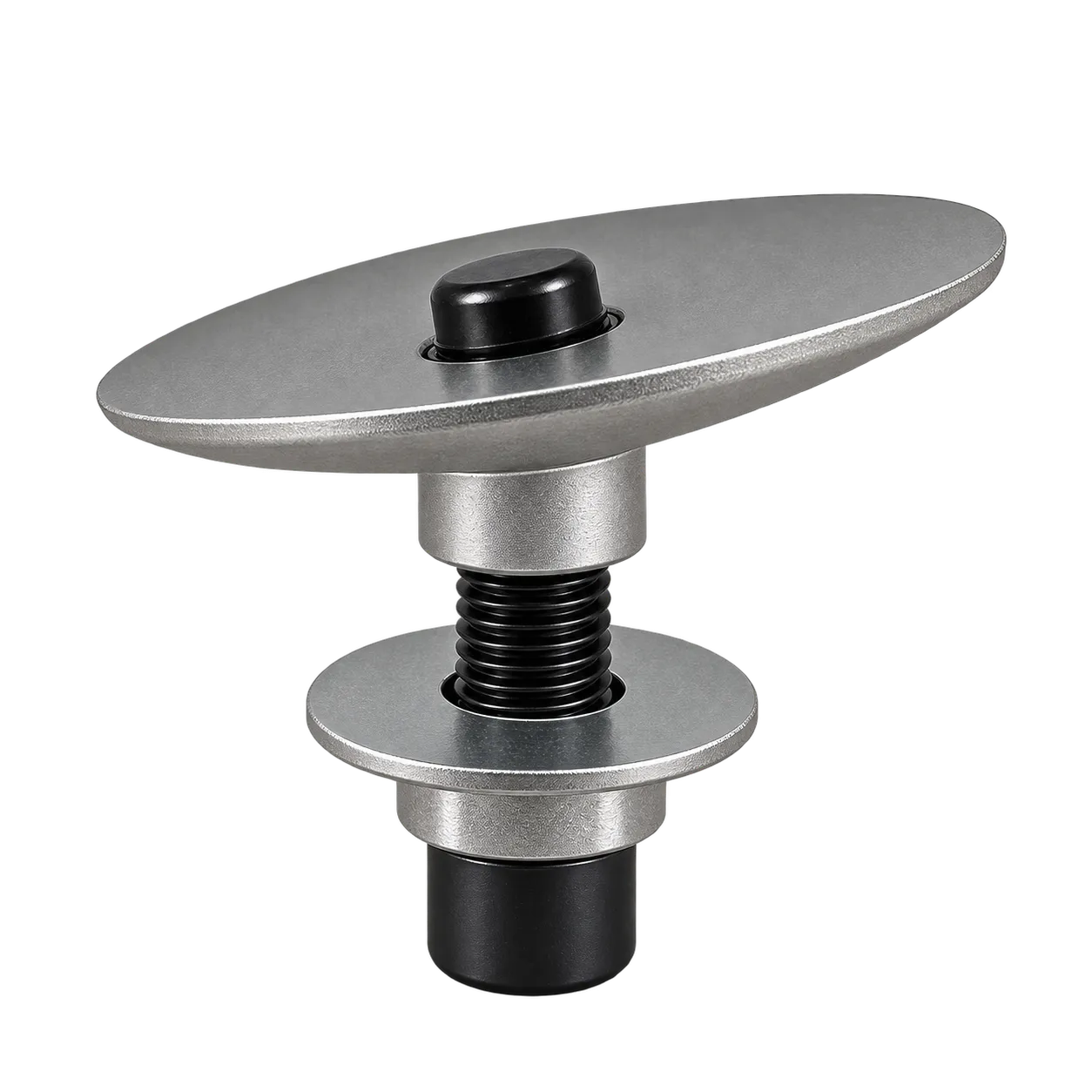
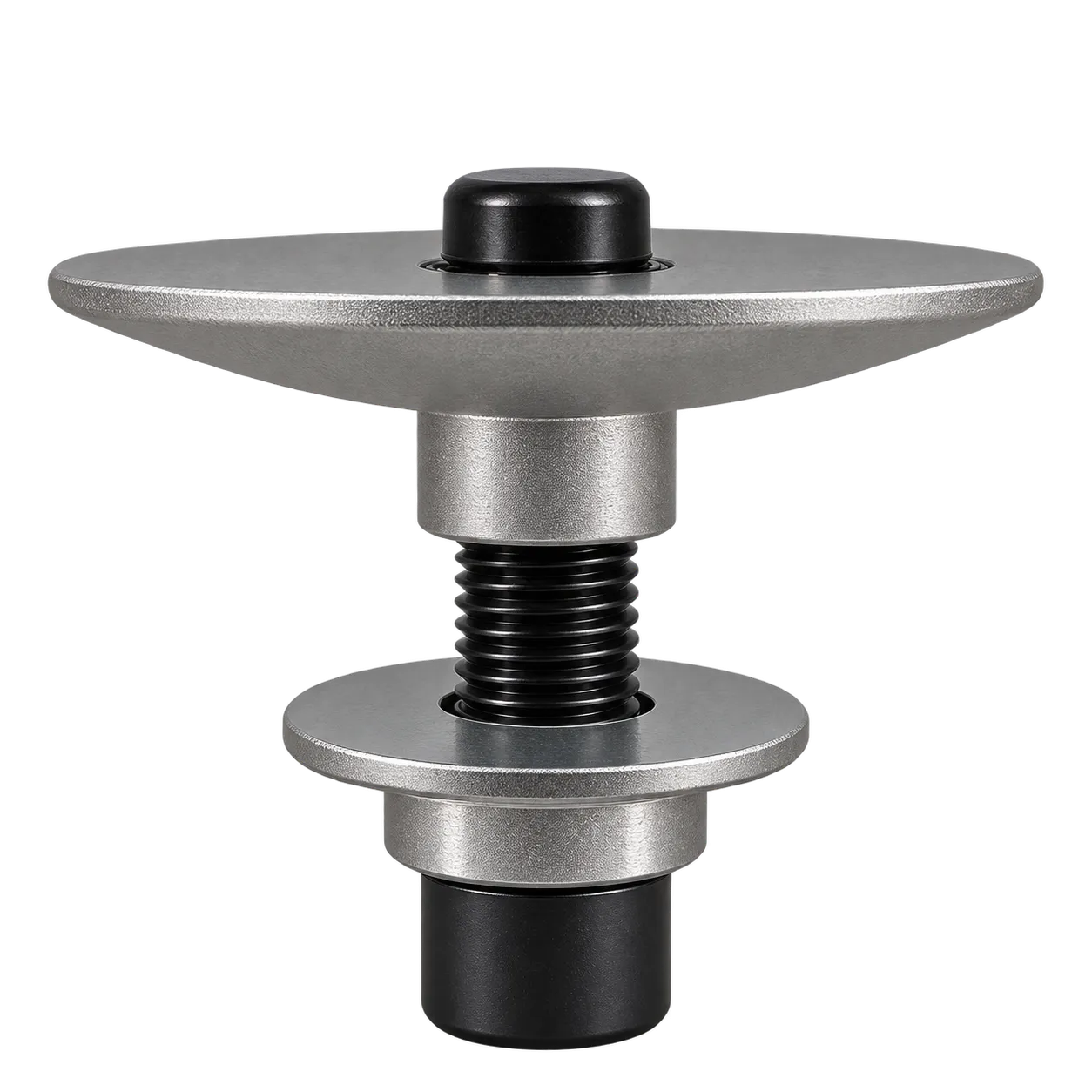
Modular transtibial and transfemoral builds use a foot bolt assembly at the connection between foot and adapter.
Foot changes during rehabilitation involve removing and refitting this fastener, which makes replacement practice worth establishing.
Wet-use limbs place the bolt in a position exposed to water, grit and salt, so material and any corrosion resistance matter.
High-activity users load the fastener cyclically at a high step count, which is where torque and locking practice bear on service life.
Heavier users require the material and rating to be matched, since weight ratings differ substantially between aluminium, stainless steel and titanium assemblies.
Clinics holding component stock benefit from bolts held against the feet and adapters they routinely fit.
Services carrying out repairs and refits need the correct torque figure and any specified locking compound to hand.