
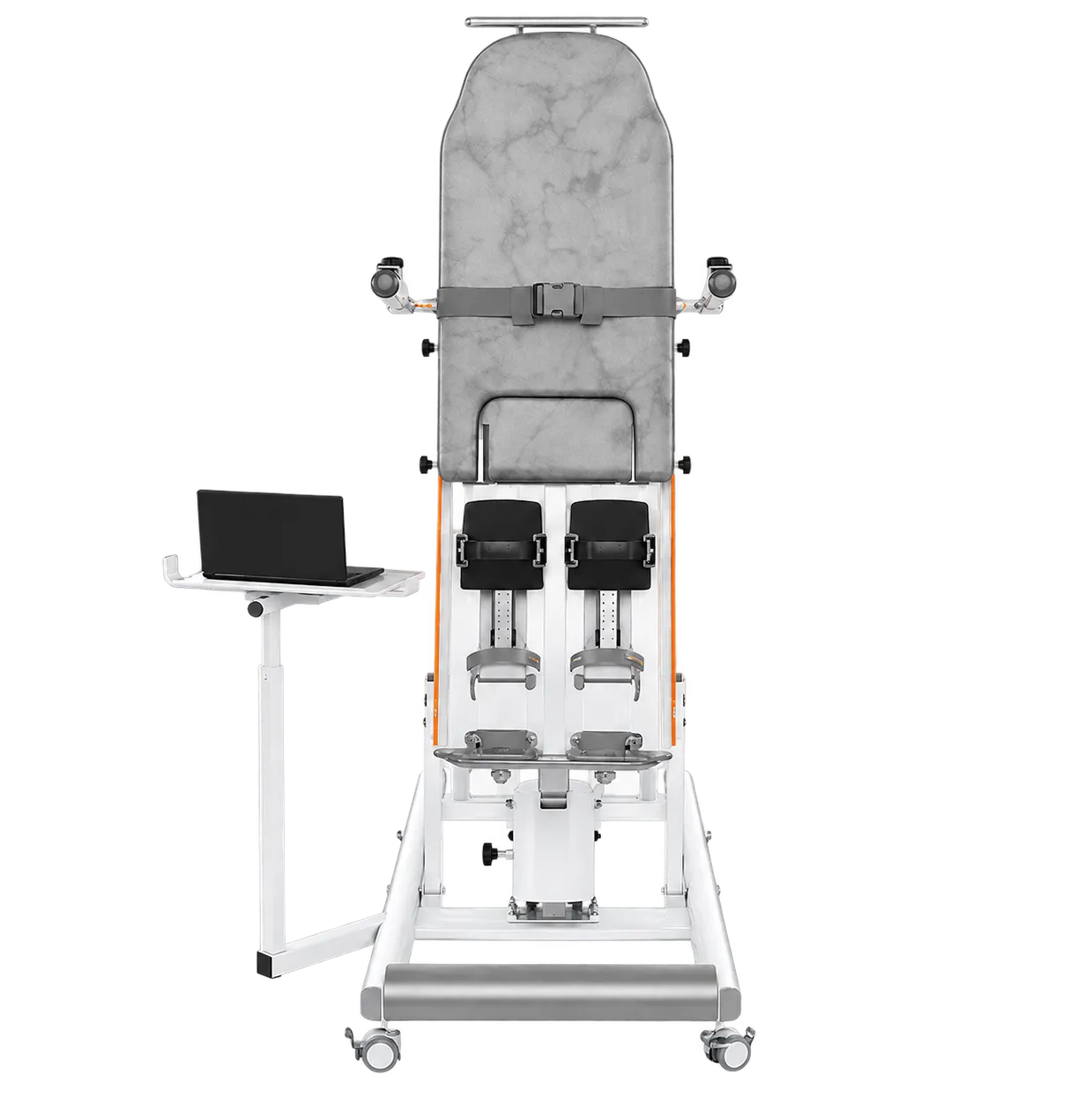
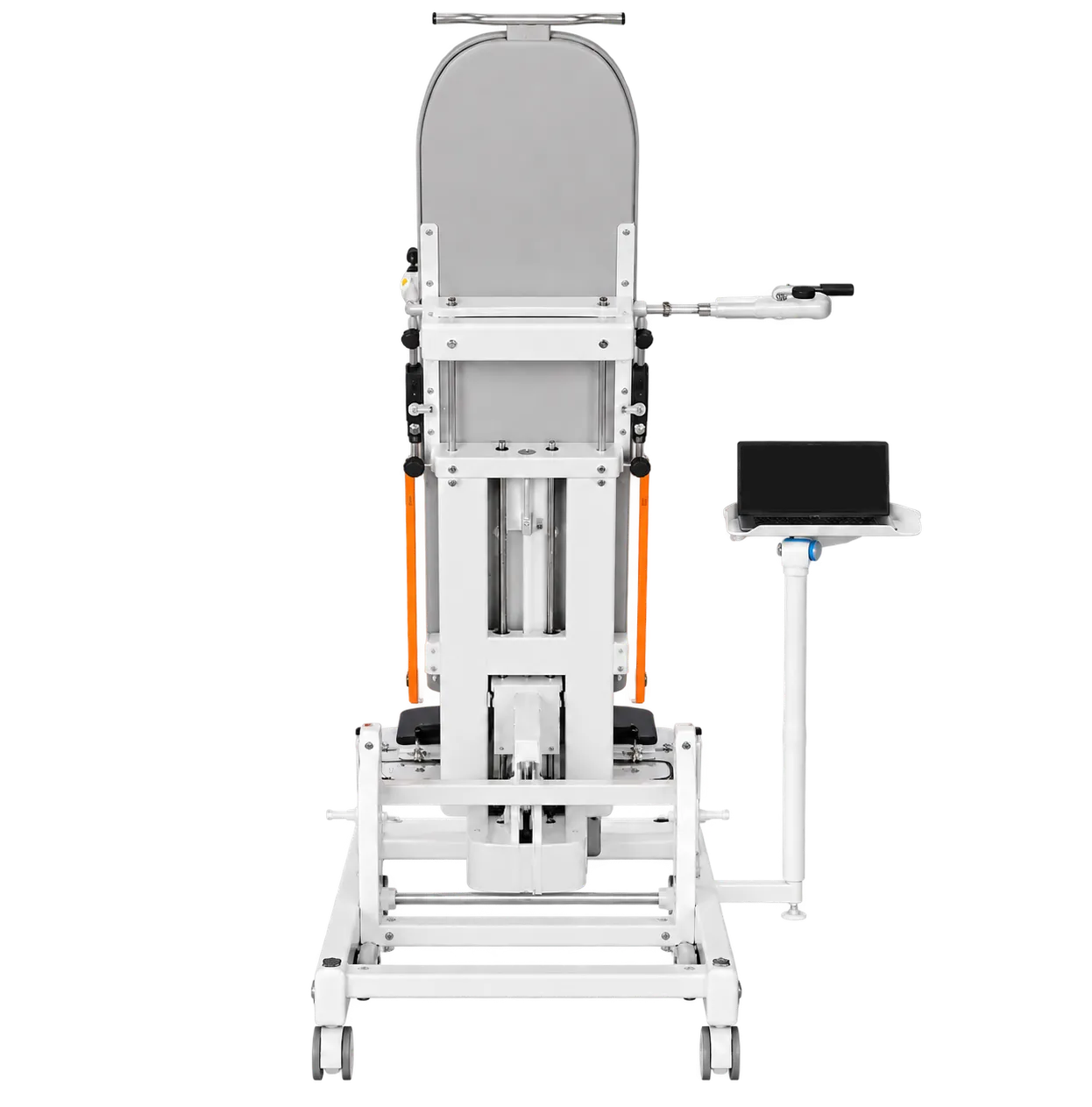
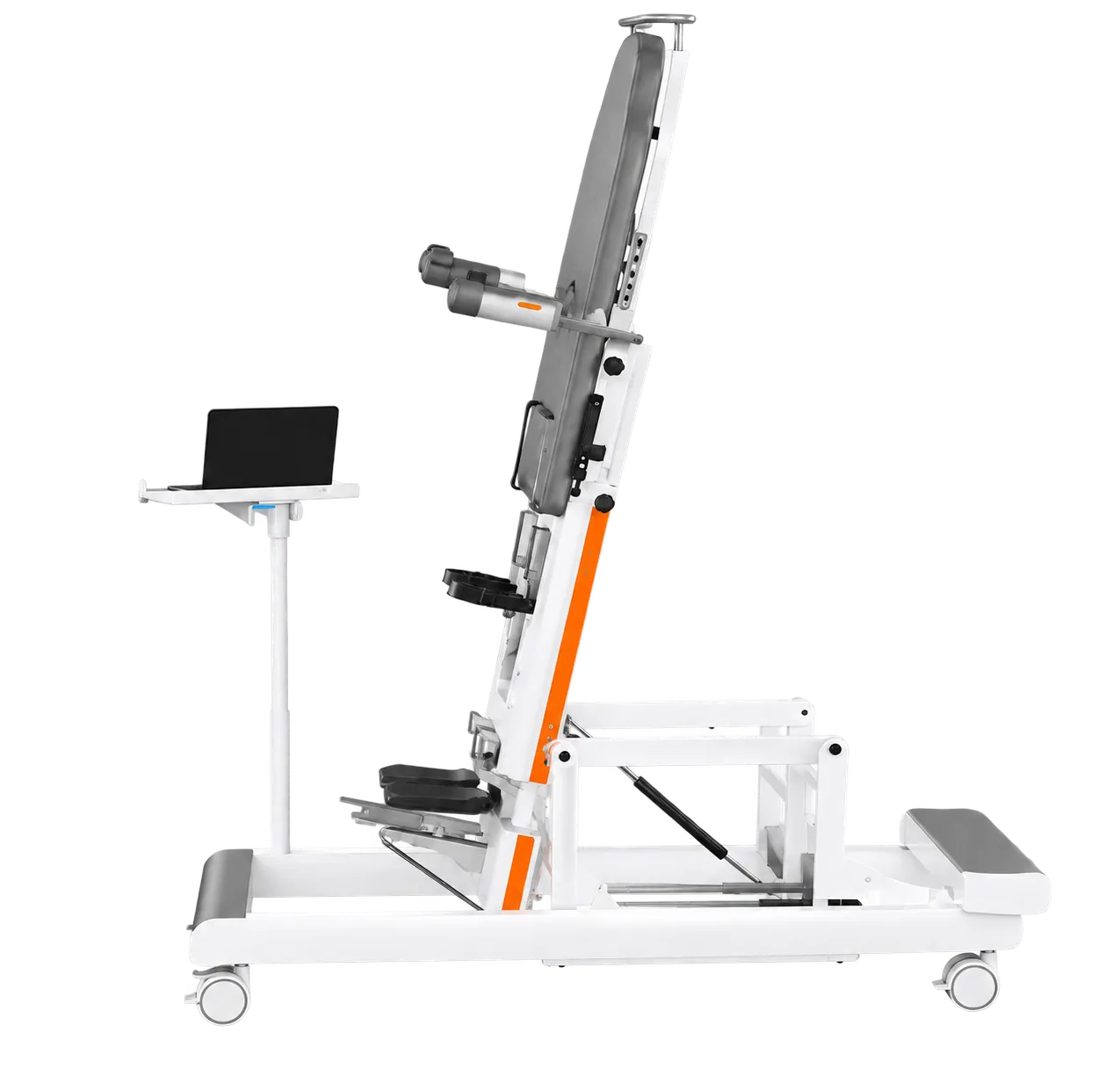
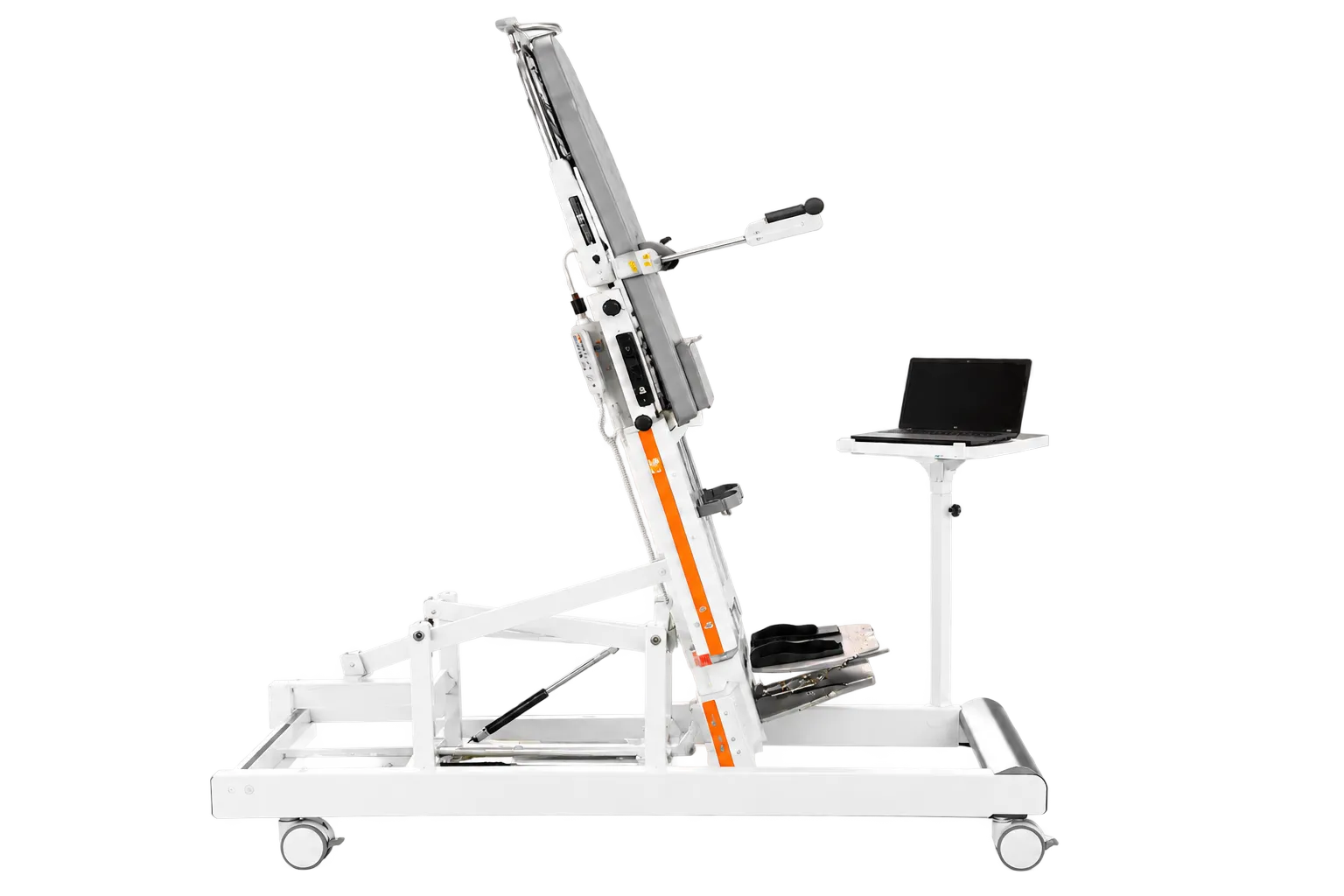
The Yikang A1-3 is positioned by the manufacturer for nervous system disorders relating to stroke, traumatic brain injury, and incomplete spinal cord injury, with emphasis on the early stages of rehabilitation. In UK acute stroke units and hyperacute settings, that maps to the early-mobilisation direction of the National Clinical Guideline for Stroke and NICE guidance on stroke rehabilitation, where the challenge is delivering meaningful movement volume before the patient can participate in gym-based therapy.
Inpatient neurorehabilitation units and specialist Level 1 and 2 services reporting through UKROC face a documentation problem as well as a therapy one: demonstrating measurable change in patients whose progress is slow and whose outcome measures are coarse. Integrated range-of-motion recording gives them a device-generated angle history alongside standard measures, useful for multidisciplinary review and continuation cases, provided the service defines how those angles sit against its validated outcome tools.
Spinal injury centres apply graduated upright work for orthostatic tolerance, bone density, and spasticity management, and incomplete injury is among the manufacturer's stated indications. Critical care and post-ICU rehabilitation teams use robotic movement platforms to counter intensive-care-acquired weakness. Community and independent neuro-rehabilitation providers, including case-managed placements funded through litigation settlements, apply the same equipment to chronic-phase work where joint range, circulation, and standing tolerance are the therapeutic goals.
Physiotherapists operating the system work within HCPC registration and Chartered Society of Physiotherapy standards, with equipment selection typically reviewed by the clinical lead and, in NHS settings, procured through NHS Supply Chain frameworks or local tendering. CQC-registered providers should record the device in their equipment inventory, maintenance schedule, and staff competency framework. Combined movement and electrical stimulation protocols should be agreed with the clinical lead before the device enters routine use.