
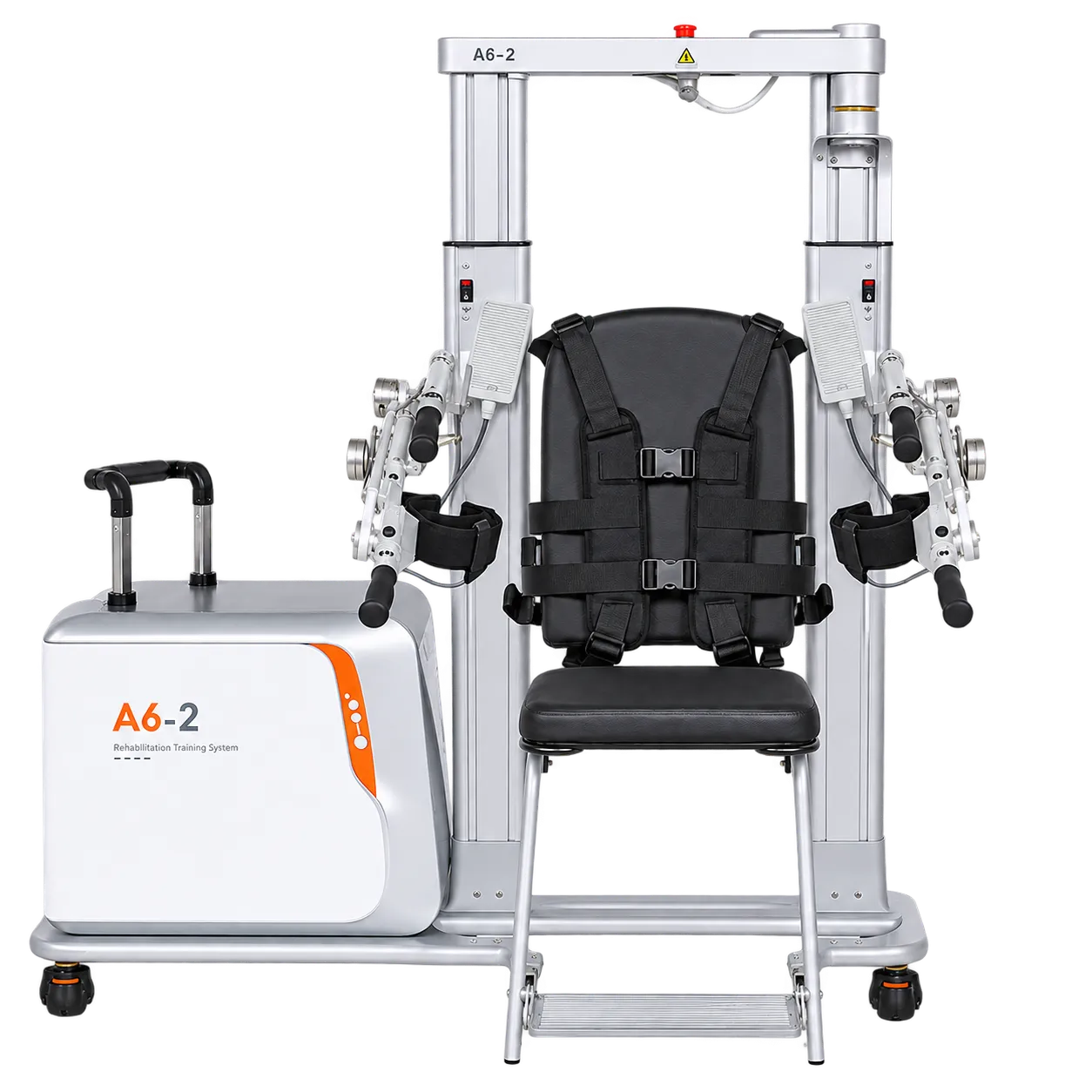
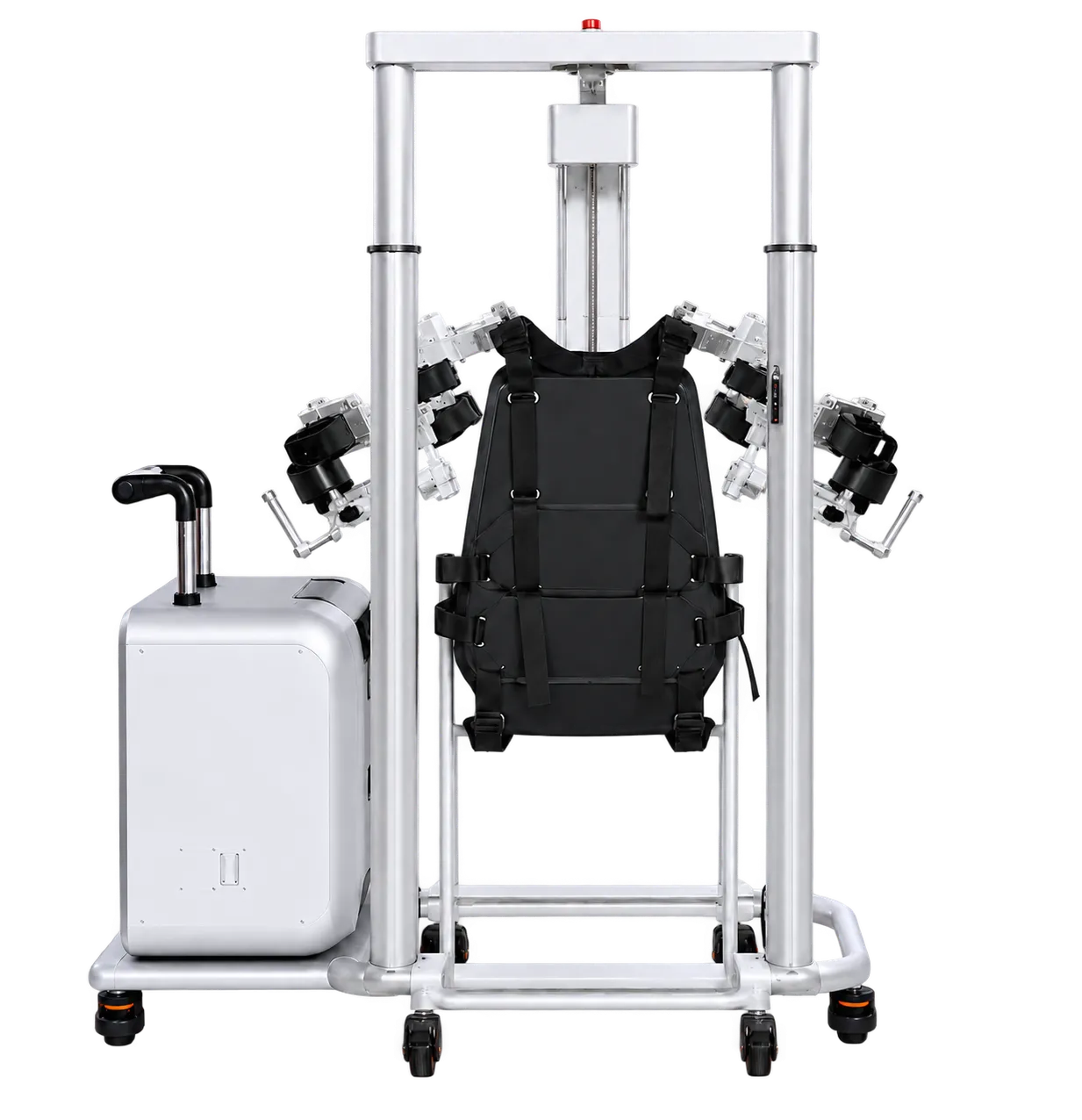
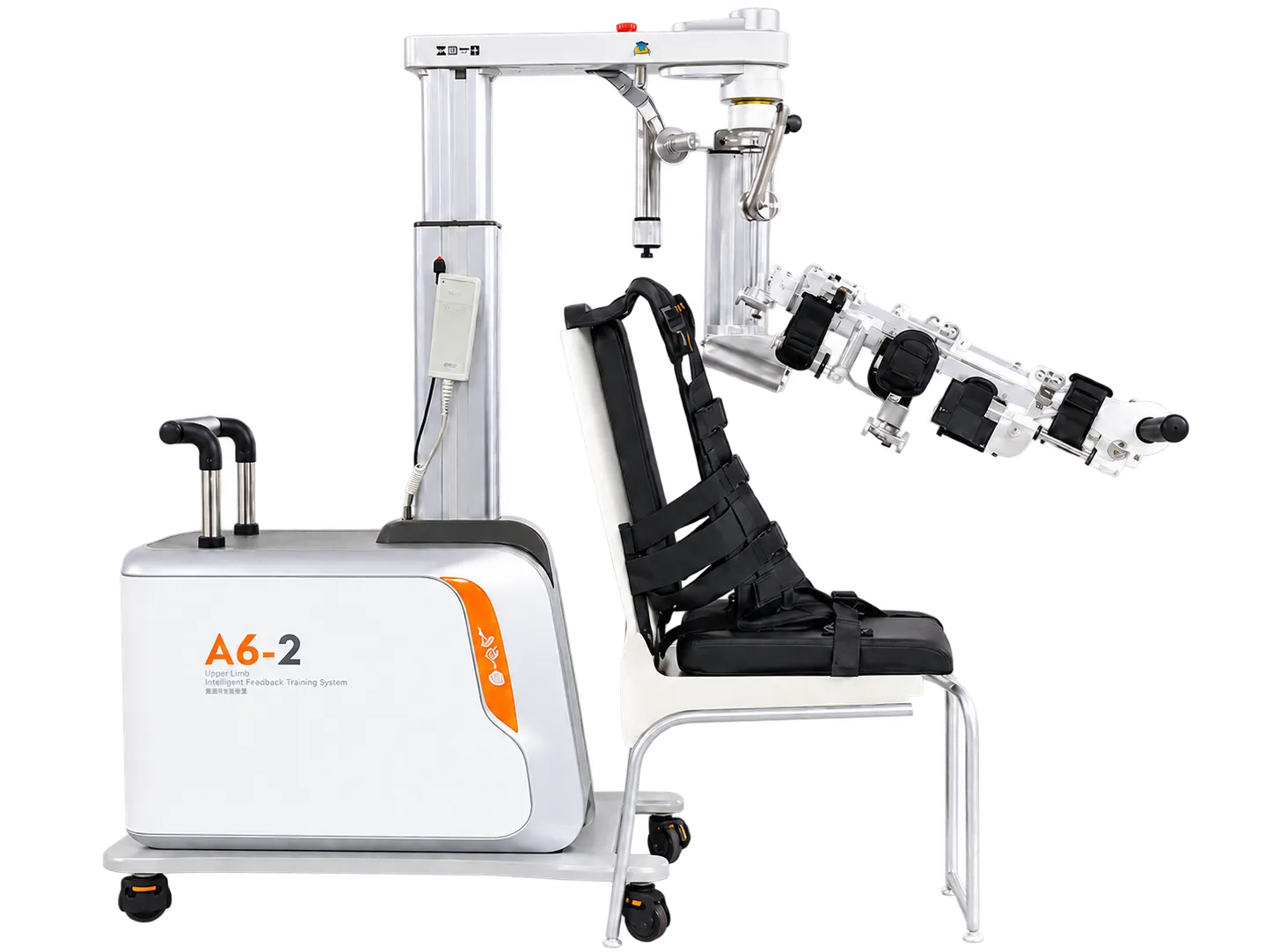
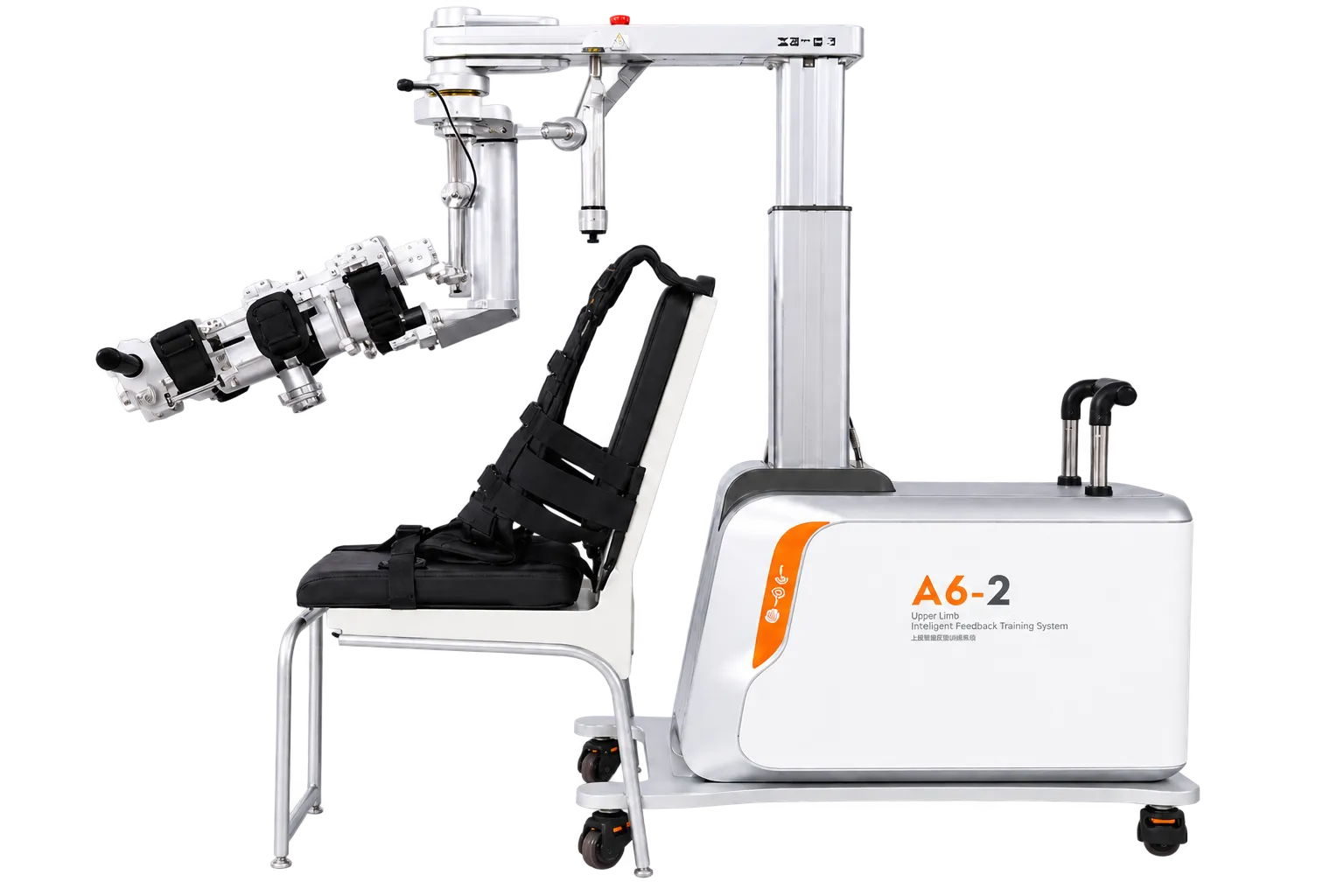
Upper limb recovery is the part of stroke rehabilitation with the widest gap between need and delivered dose. A substantial proportion of stroke survivors are left with arm impairment, and the repetition counts associated with motor recovery in the literature sit far above what hands-on therapy time delivers. Robotic upper limb platforms exist to close part of that gap, and both the National Clinical Guideline for Stroke and NICE guidance point towards intensive, repetitive, task-oriented practice.
In UK acute and inpatient stroke services, the A6-2 fits the caseload where the arm is dense or minimally active and task practice has nothing to build on yet. Inpatient neurorehabilitation units and specialist services reporting through UKROC use platforms of this type to sustain arm dose alongside therapist-led sessions. Because the unit is mobile, it can be worked in a therapy gym, taken to a treatment bay, or brought to a patient who cannot easily be moved.
Occupational therapists registered with HCPC, and working to Royal College of Occupational Therapists standards, are often the lead profession for upper limb and daily-living work, and prescription mode — reaching, grooming, drinking — sits naturally in that scope. Physiotherapists working to Chartered Society of Physiotherapy standards lead on shoulder integrity, tone, and proximal control. Both professions share the device in practice, which makes agreed protocols for shoulder limits and trajectory setting a prerequisite.
Community and independent neuro-rehabilitation providers, including case-managed placements funded through litigation settlements, apply the same equipment to chronic-phase maintenance of range and function. CQC-registered providers should record the device in their equipment inventory, maintenance schedule, and competency framework, and define who is authorised to set trajectories.