
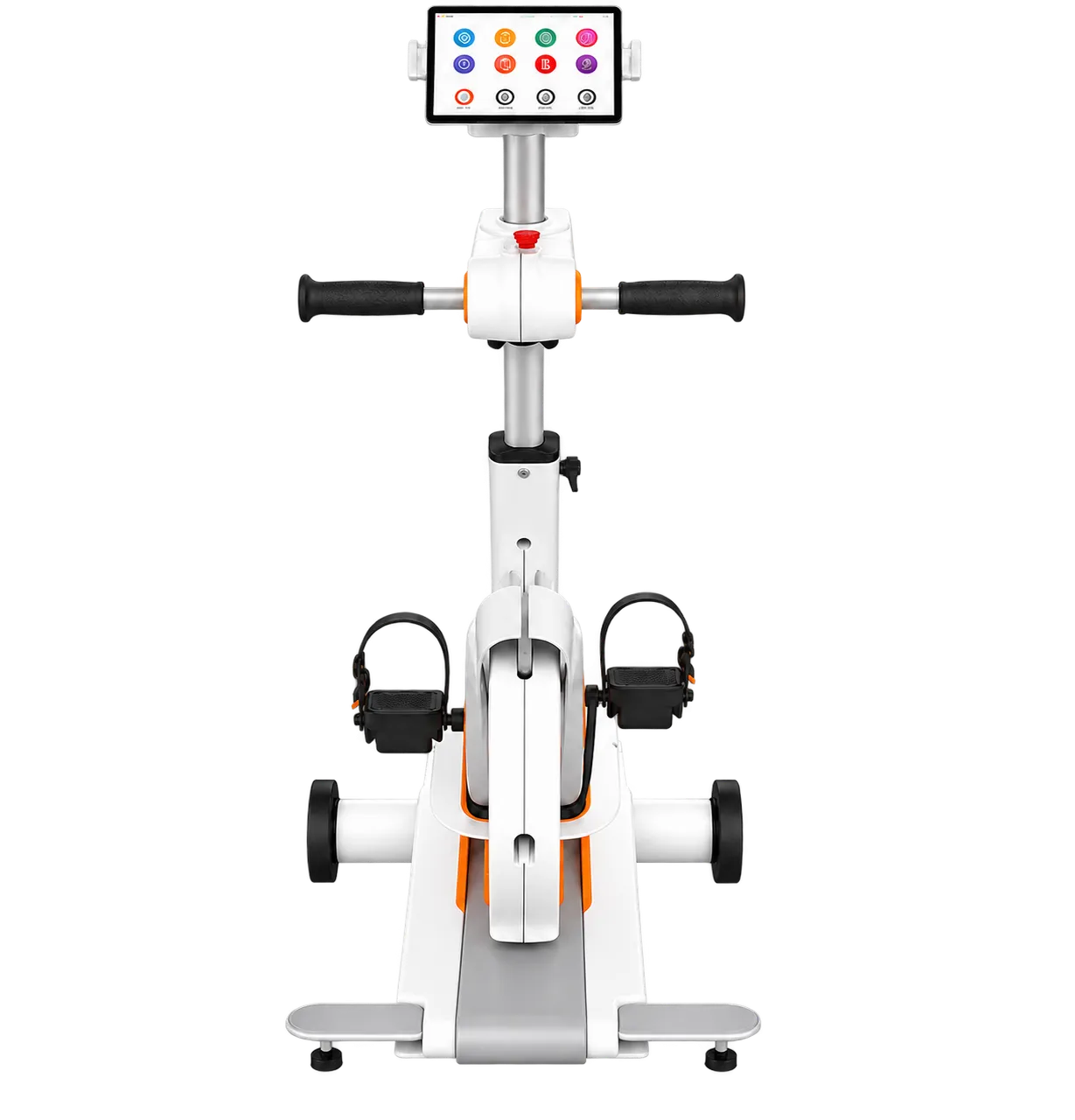
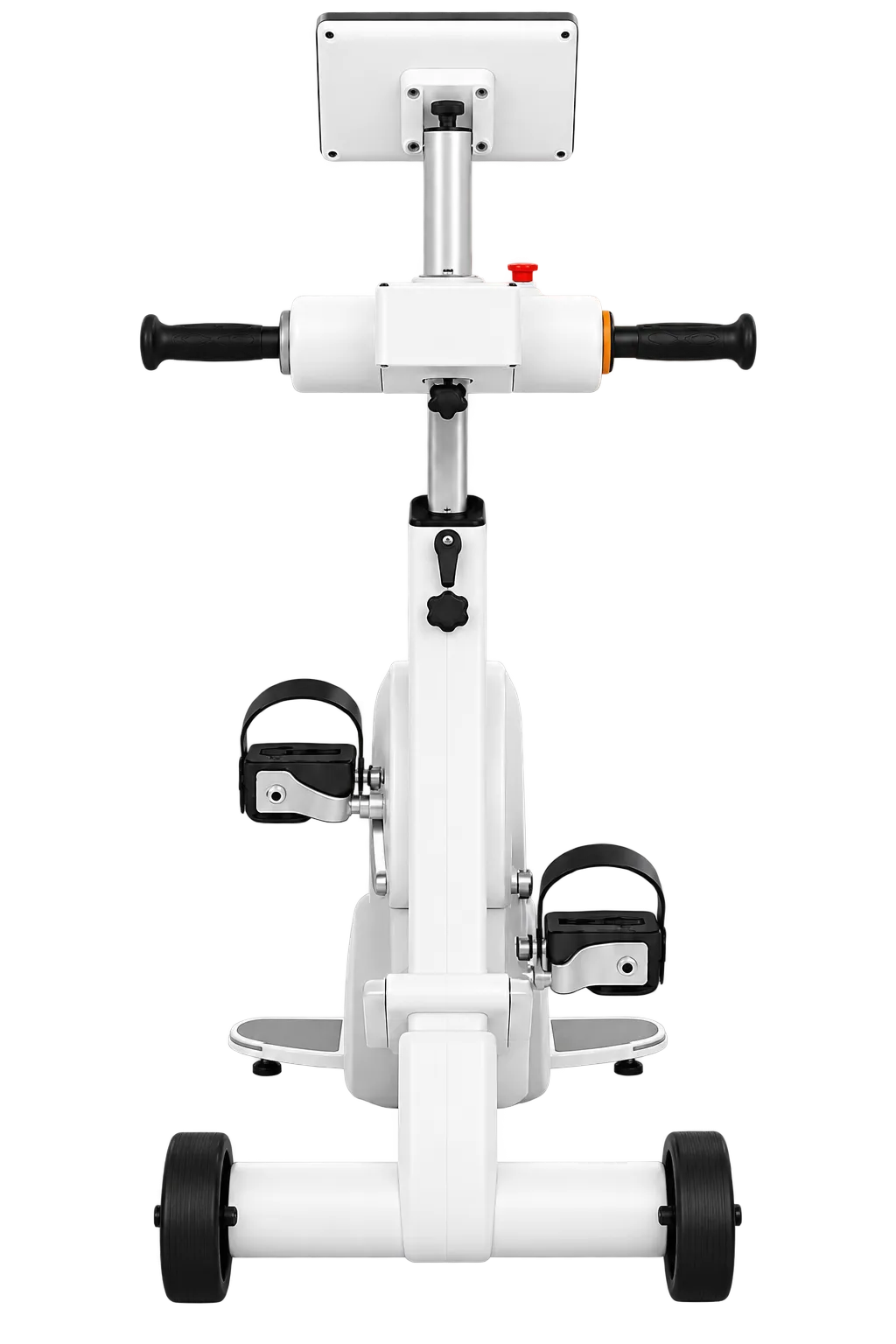
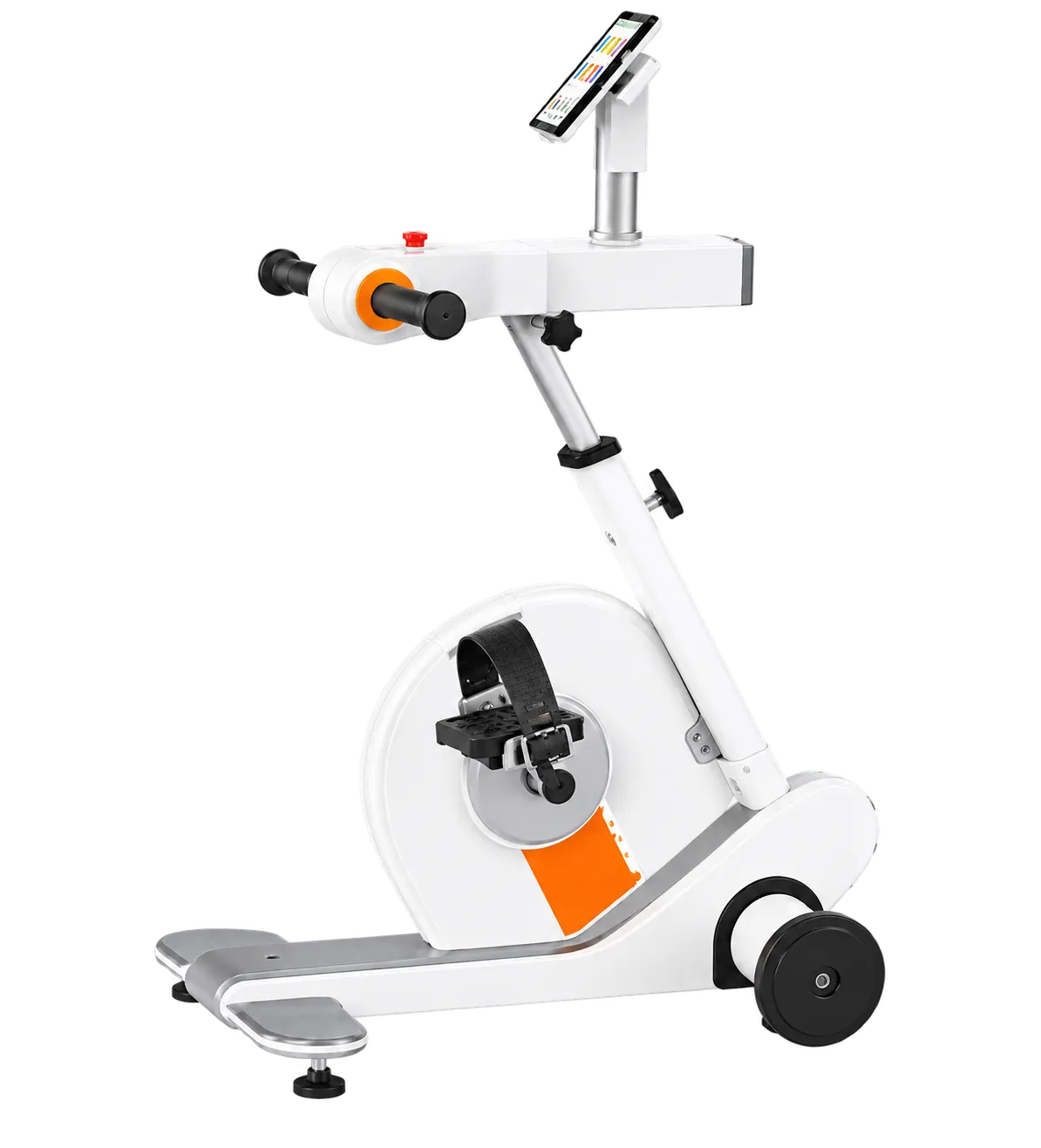
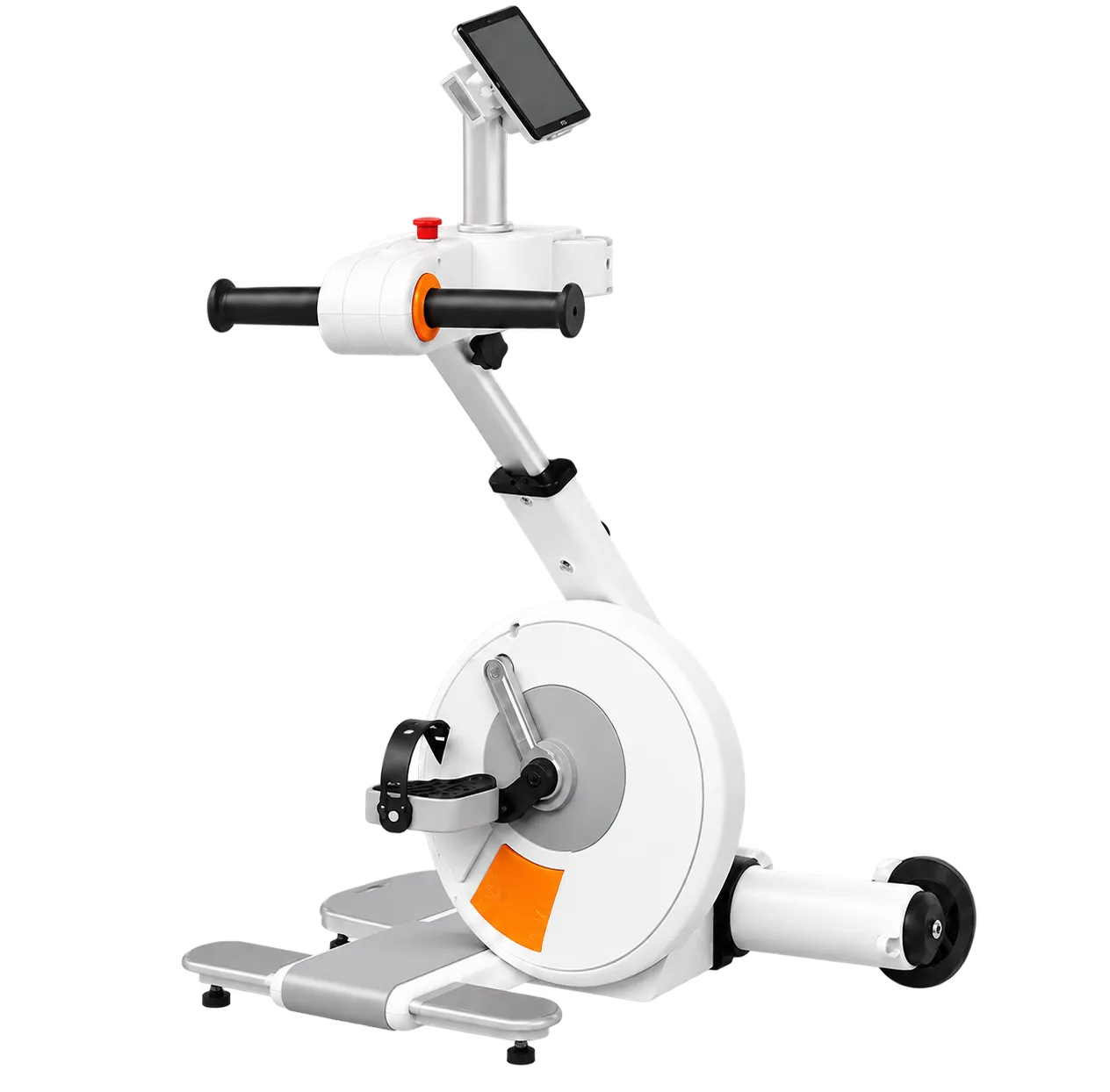
Lower limb cycling suits a wide span of the UK rehabilitation pathway, because the same movement pattern works for a patient with no voluntary drive and for one building endurance towards discharge. In stroke services, the SL4-1 supports early leg movement and circulation maintenance before gait work is possible, then follows the patient into resisted conditioning as control returns.
For multiple sclerosis and Parkinson's caseloads in community and outpatient neuro services, the value is sustainable aerobic and coordination work delivered at whatever level the patient can tolerate that day. Both conditions are characterised by fluctuating capacity, and automatic mode switching absorbs that variability without the therapist reprogramming mid-session. NICE guidance on both supports exercise as part of ongoing management.
Orthopaedic and post-surgical caseloads use lower limb cycling for knee and hip range and conditioning, with passive and assist modes suiting the early post-operative window where active work is limited by pain or protocol. Spinal injury services and severe hemiplegia caseloads benefit from spasm detection and passive mode, which make cycling viable in legs where tone would otherwise rule it out. Care home settings use the same device against immobility, circulation, and deconditioning.
Physiotherapists registered with HCPC and working to Chartered Society of Physiotherapy standards would normally set protocols, resistance levels, and supervision requirements. Because patients work from their own chair or wheelchair, no hoist or transfer is needed, which materially changes how many sessions a service actually delivers. CQC-registered providers should record the device in their equipment inventory, maintenance schedule, and staff competency framework.