
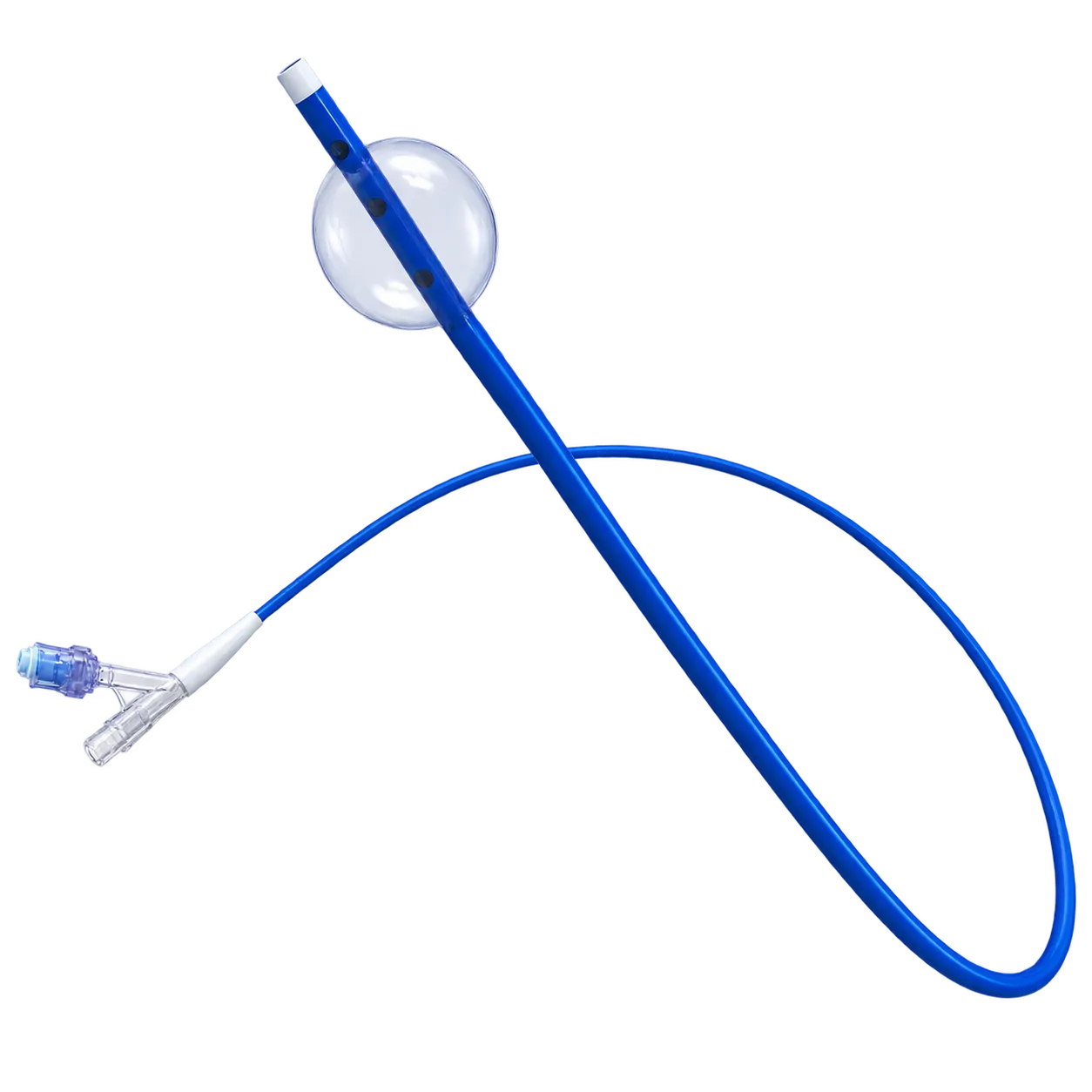
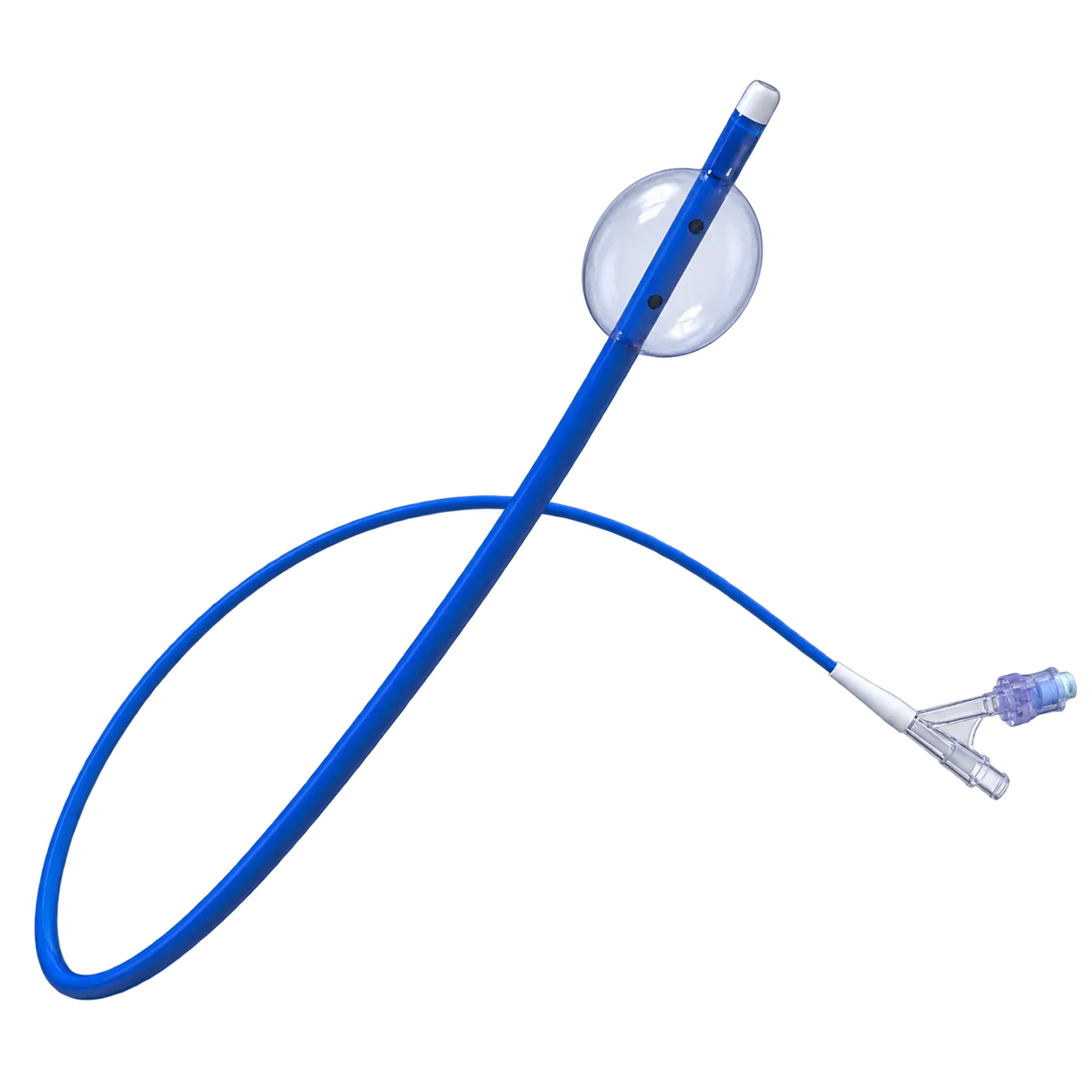
Mechanical thrombectomy treats large-vessel occlusion stroke by removing the clot rather than dissolving it. A device is passed to the occlusion, engages the clot, and is withdrawn while holding it. The procedure has transformed outcomes in a condition where most patients previously did badly.
Success depends not only on whether the clot comes out, but on whether it comes out whole. A clot dragged back through an artery sheds fragments, and each fragment travels wherever the blood is going. That means downstream, into branches still supplying brain tissue. One occlusion becomes several smaller ones, in territory that had been spared.
Arresting flow prevents that. A balloon inflated proximally stops blood moving forward past the retrieval device, so fragments have nowhere to go and can be drawn back by aspiration instead. The trade is that the vessel supplies nothing while the balloon is up. The brain on that side depends on whatever collateral circulation exists. Inflation time is therefore a clinical variable rather than a technical one. That is why a catheter built for fast inflation and deflation is worth having. Balloon compliance serves the same practical end. A balloon that conforms to the vessel seals across the range of carotid diameters an operator meets, without needing to be selected by size for each one.
Balloon position is confirmed on imaging before inflation, and the catheter is deflated as soon as the retrieval pass is complete. Medigear.uk supplies the instructions for use with every order.