
Mechanical thrombectomy changed how stroke is treated, and it changed what the equipment has to do. Retrieving a clot from an intracranial vessel means getting a device more than a metre from the puncture. The route runs through the arch, up the carotid and around the siphon. The device then comes back along it, still holding the clot.
The catheter that supports all this determines whether it works. A device delivered from a guide catheter in the neck travels the whole intracranial course unsupported. Very little of the force applied remains by the time it arrives. Advancing an access catheter close to the clot moves the starting point forward and gives the retrieved clot somewhere to be drawn into.
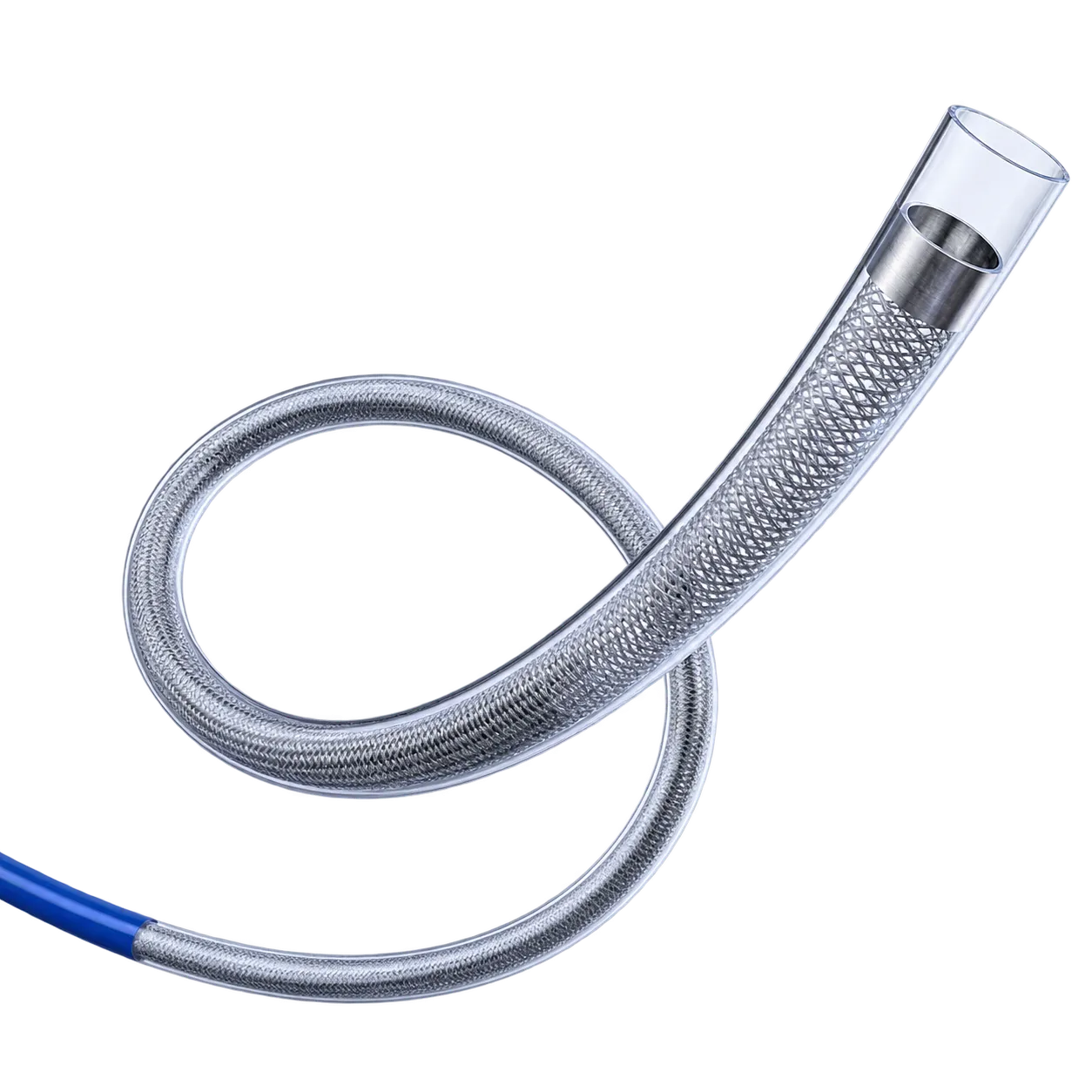
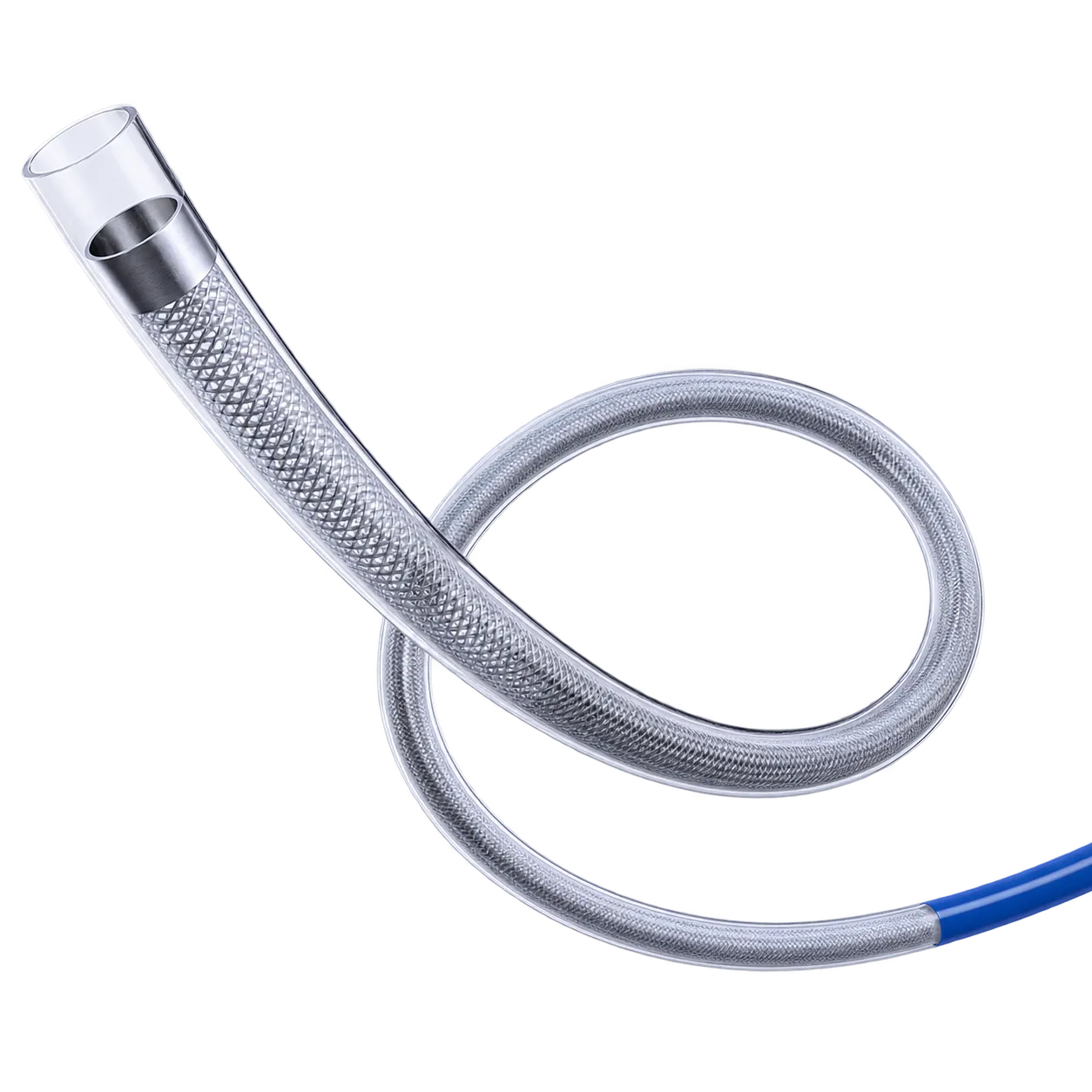
Lumen size decides what the catheter can do at that point. A 00.057-inchcatheter reaches further into narrower vessels but carries less. At 0.088 inch, the same catheter accepts large-bore aspiration for many operators; it is now a first-line approach rather than a fallback, placing more weight on lumen than on reach. The compromise between reach and bore is the central choice. Four sizes allow it to be made per case rather than per department. Getting any of them into position depends on the shaft behaving differently along its length. It must be firm where it is pushed and compliant where it turns, which the braid-and-coil arrangement provides.
Time matters throughout, since brain tissue is lost every minute the vessel stays blocked. Medigear.uk supplies the instructions for use with every order.