
Carotid disease causes stroke by two routes. The narrowing itself can restrict flow, but more often the plaque sheds material that travels to the brain and blocks a smaller vessel. Treating the narrowing addresses the first problem but can temporarily worsen the second, because passing a balloon or stent through diseased plaque disturbs it far more than blood flow ever does.
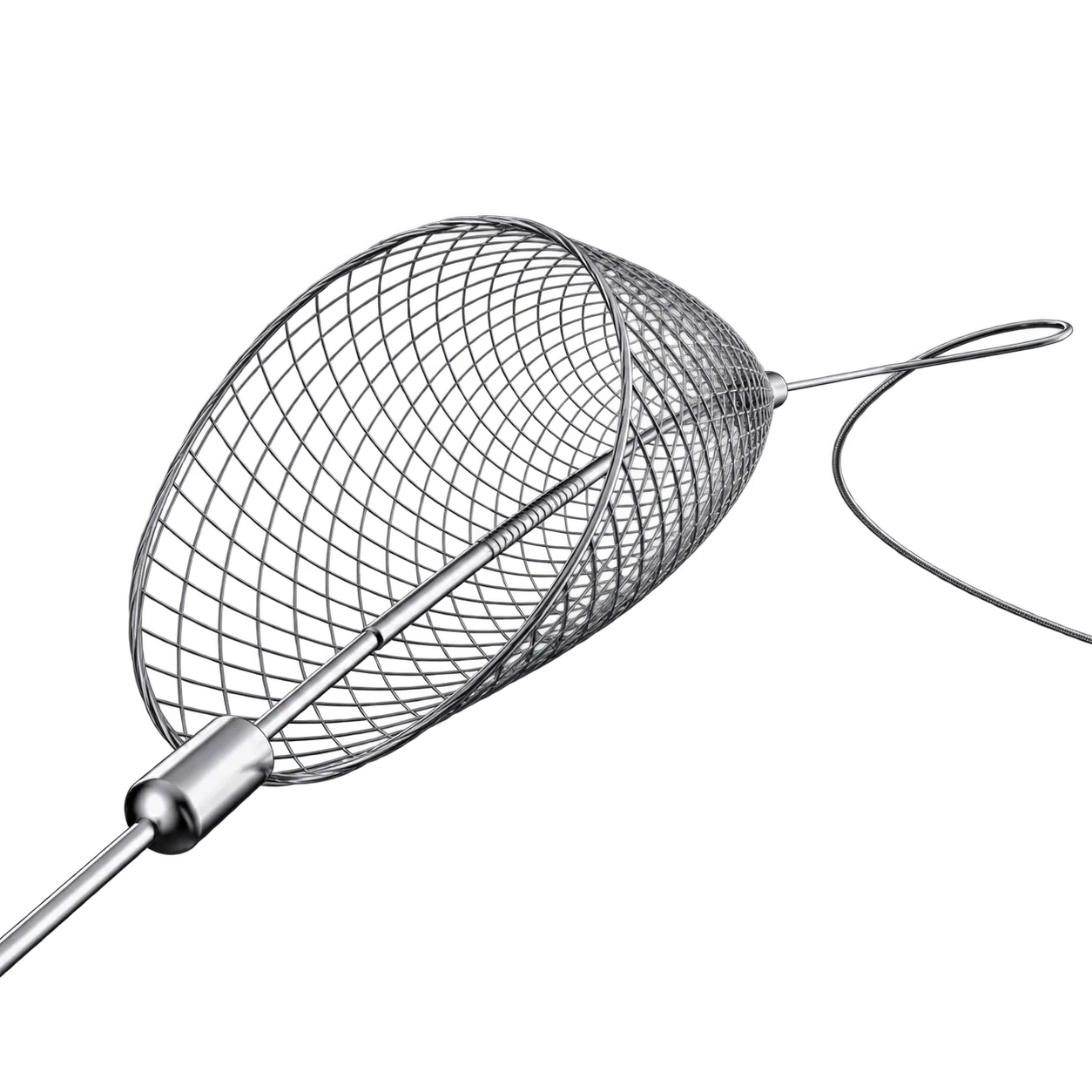
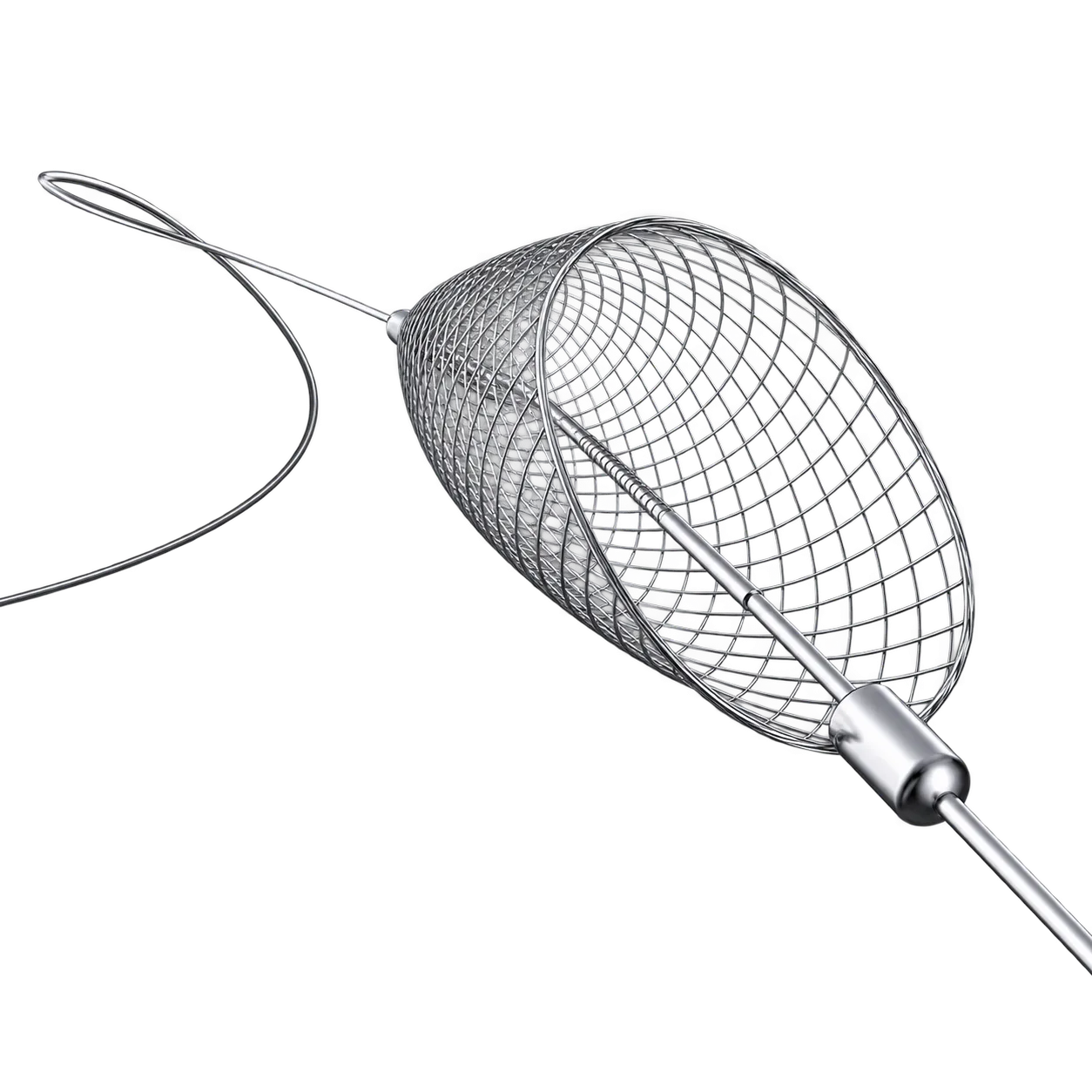
That is the reason distal protection exists. A filter opened in the artery beyond the lesion allows blood to keep flowing to the brain while catching particles large enough to cause harm. Treatment then proceeds with that safety net in place, and the filter is removed afterwards with its contents.
The design constraints are specific. The filter has to seal against the vessel wall, since anything passing beside it is not caught, which is why sizing to the vessel matters and why confirming apposition on imaging matters more. It must let blood through, or the brain loses its supply during the very procedure meant to protect it, which is what pore size governs. It has to stay where it was placed while other devices move over the wire beside it, which is the argument for making the filter and wire independent. And it has to come out without spilling, which is why a retrieval catheter is larger than the one that delivered it.
Each of those requirements is a failure mode if it isn't met. Filter selection is based on vessel measurements taken before the case, not judged at the table. Medigear.uk supplies the instructions for use with every order.