
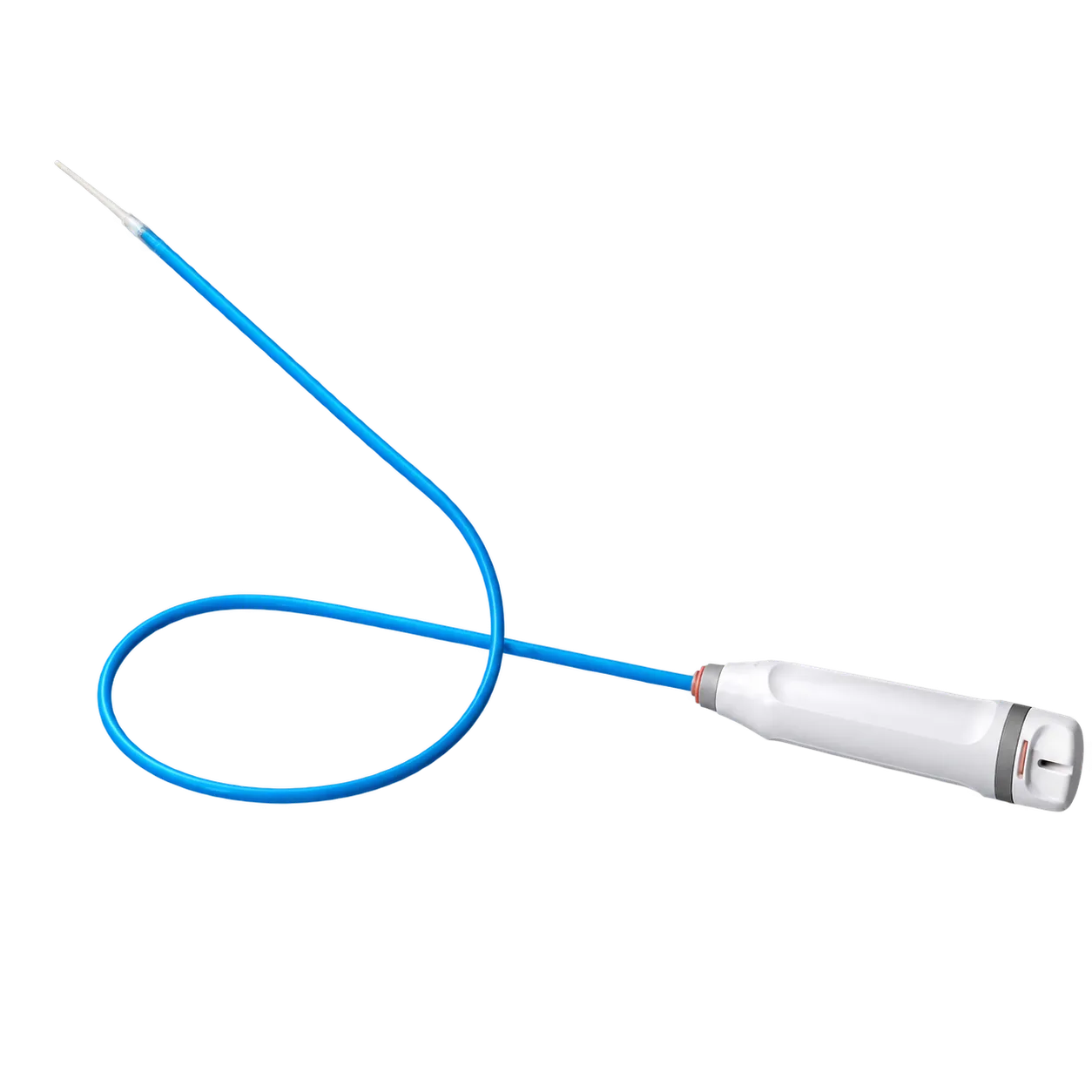
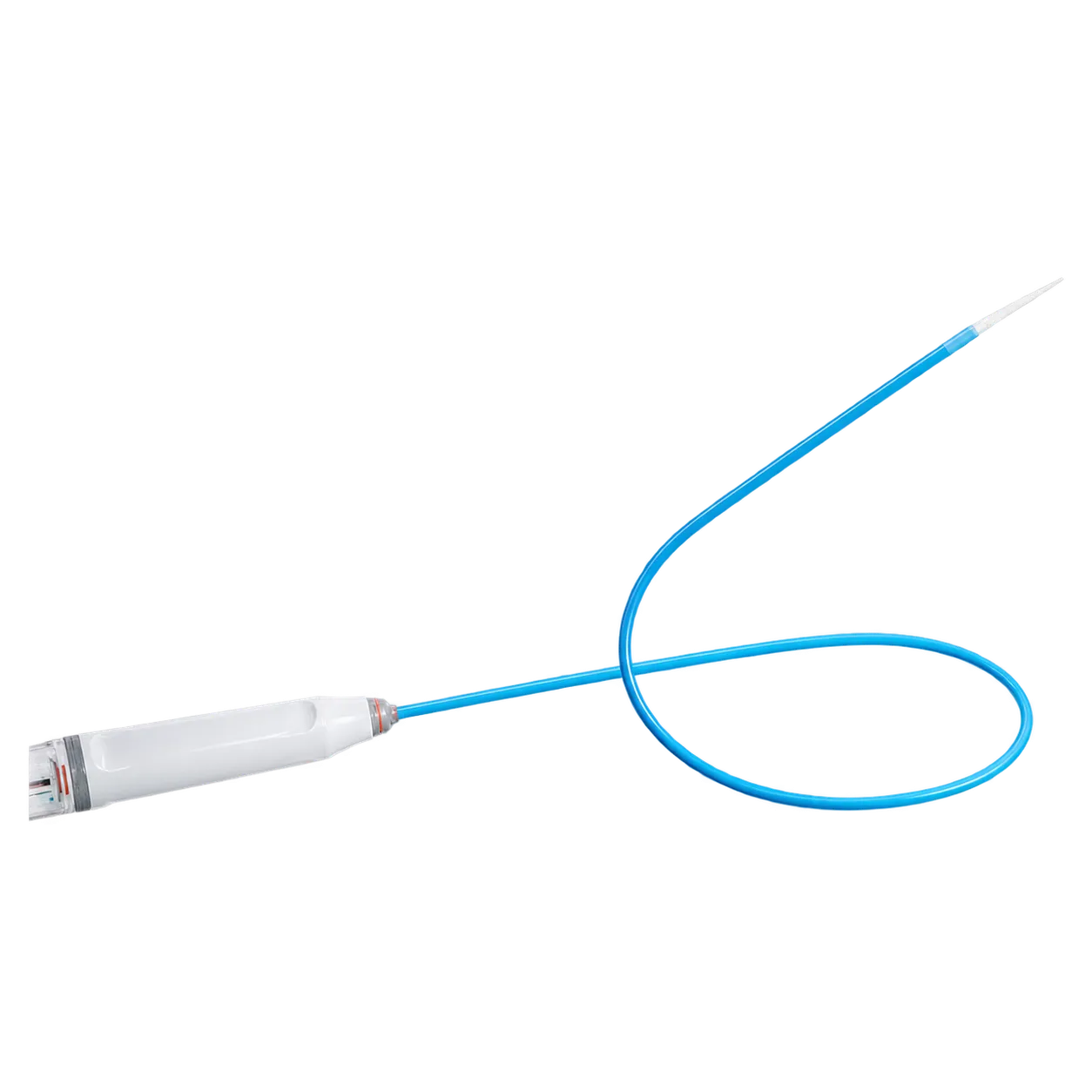
The aortic arch gives off the vessels that supply the brain and arms. Any graft sealing near them faces the same problem. A seal needs healthy aorta to press against, and the nearest healthy aorta often lies across a branch origin. Covering that branch is sometimes acceptable and sometimes not, depending on which vessel it is and what collateral supply exists.
Fenestration is one established answer. An opening in the graft wall sits over the branch origin, so flow continues while the rest of the graft seals. It avoids the surgical bypass that revascularisation would otherwise require, and it avoids the gutters left by running a parallel stent alongside the graft. The trade-off is alignment, because the opening has to line up with a vessel whose position varies between patients, and rotational accuracy during deployment becomes critical.
Placing a stent through the fenestration addresses part of that. A lined channel holds the opening against the branch origin and reduces the chance of the graft rotating or migrating away from it, which is why a fenestration designed to accept a branch stent is more useful than a bare opening. Two construction points support the same goal. Braided nitinol conforms to the curve of the arch rather than sitting straight across it, which keeps the fenestration where it was placed. Longitudinal wires resist the lengthwise shortening that would otherwise move the opening during deployment.
Sizing is planned from preoperative CT, with the branch position measured against the intended seal zone. Medigear.uk supplies the instructions for use with every order.