
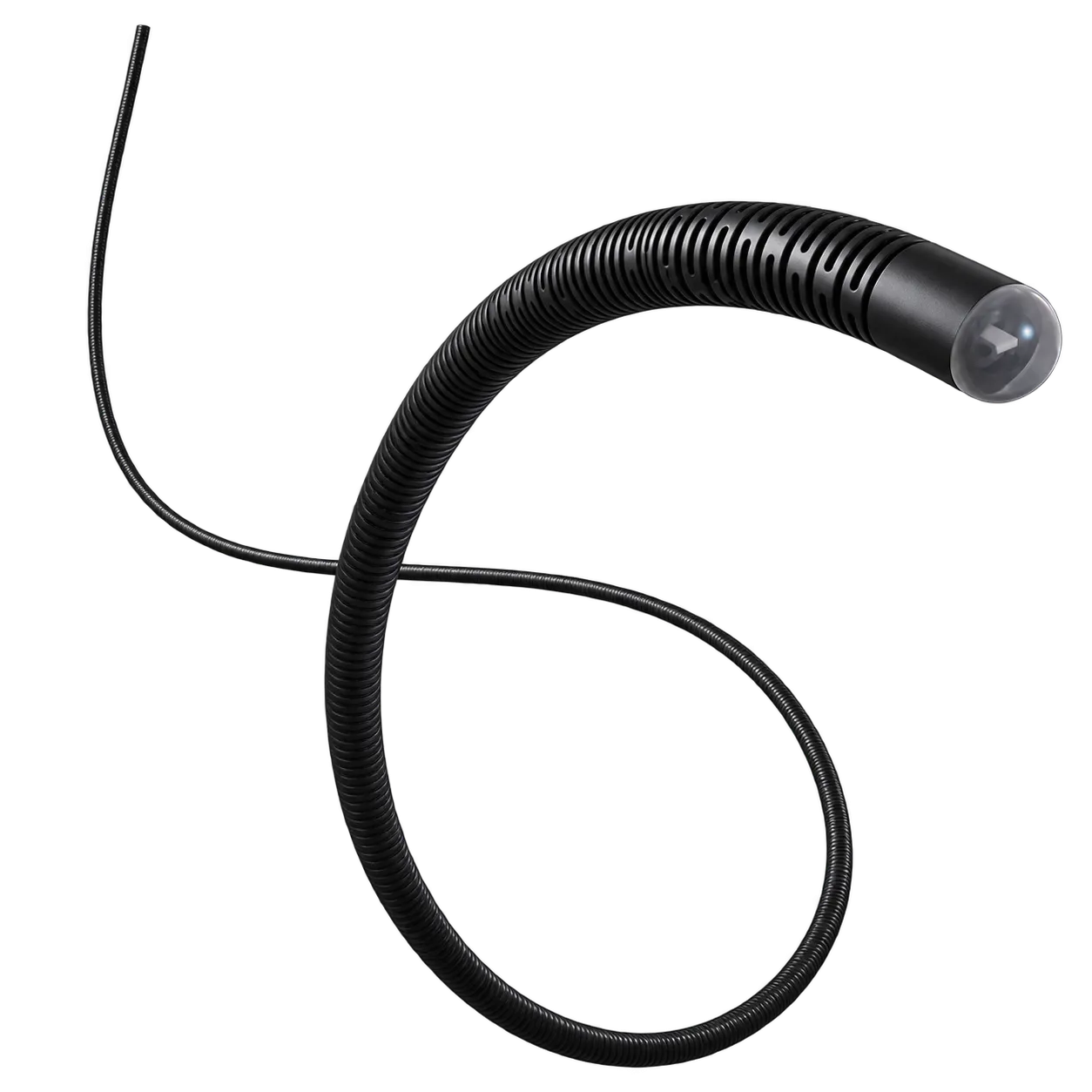
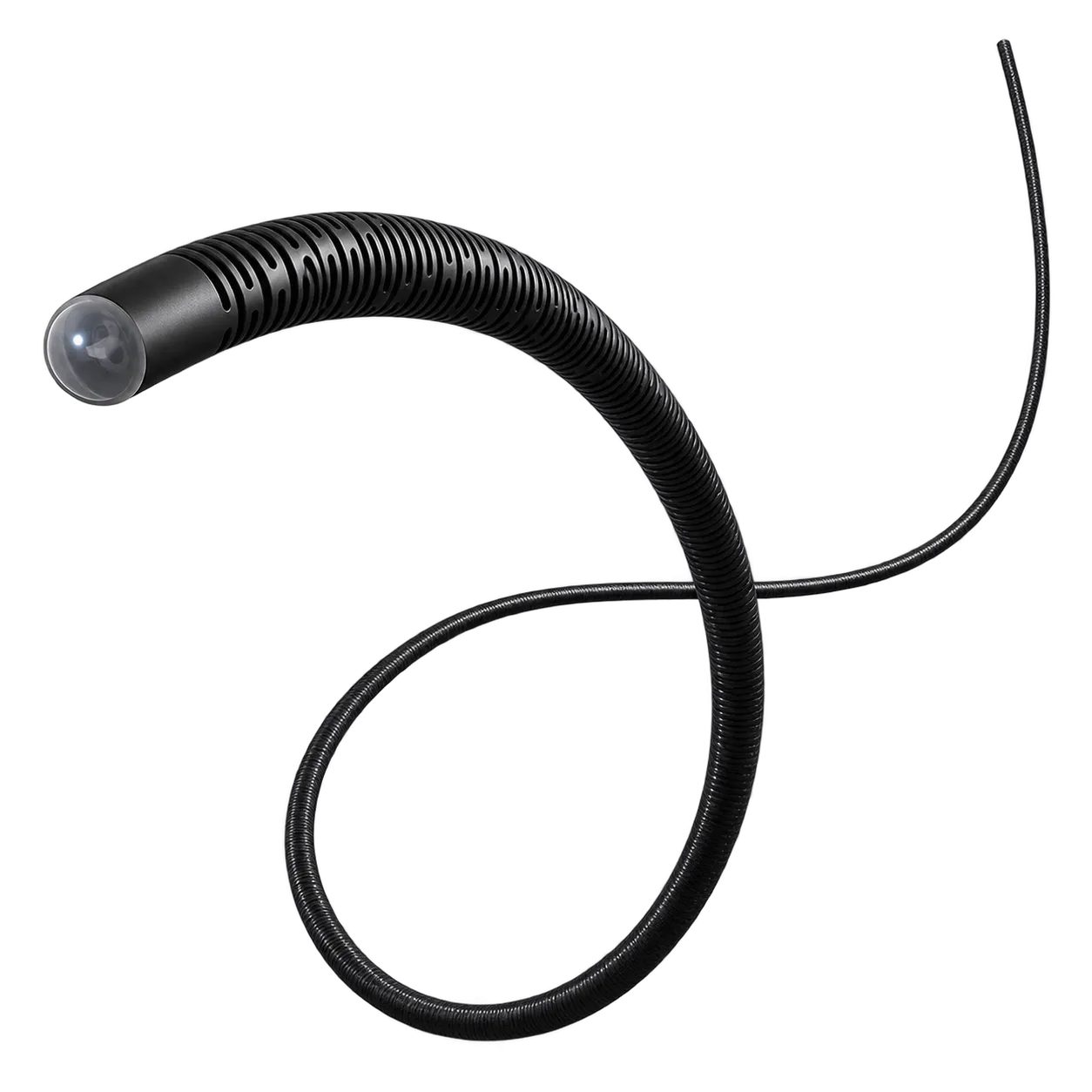
Steering a wire through cerebral vessels demands two things at once. It must be pushed forward against friction and against the resistance of every bend it has already crossed. It must also turn accurately, since finding a branch means rotating the shaped tip until it points the right way and advancing it.
Those demands pull against each other in a single material. A wire stiff enough to push well resists bending and risks the vessel. A wire soft enough to be safe absorbs rotation along its length, so a half turn at the hub becomes an unpredictable movement at the tip, sometimes arriving all at once. Composite construction is how manufacturers escape that.
A hypotube is central to it. Twisting resistance depends on how far material sits from the axis of rotation, so a hollow tube of a given outer diameter carries torque far better than a solid rod of the same size. Making the proximal shaft a tube therefore buys accurate rotation without adding thickness. A steel core distally then supplies push and takes the shape the operator gives it. Visibility completes the picture, and it is not a detail in this field. The operator works entirely from the screen, judging where the tip sits and which way it points, so a wire showing only a short marker gives less information than one with ten or fifteen centimetres visible.
Wire selection is made against the route and the device that will follow it, and the two are considered together rather than in sequence. Medigear.uk supplies the instructions for use with every order.