
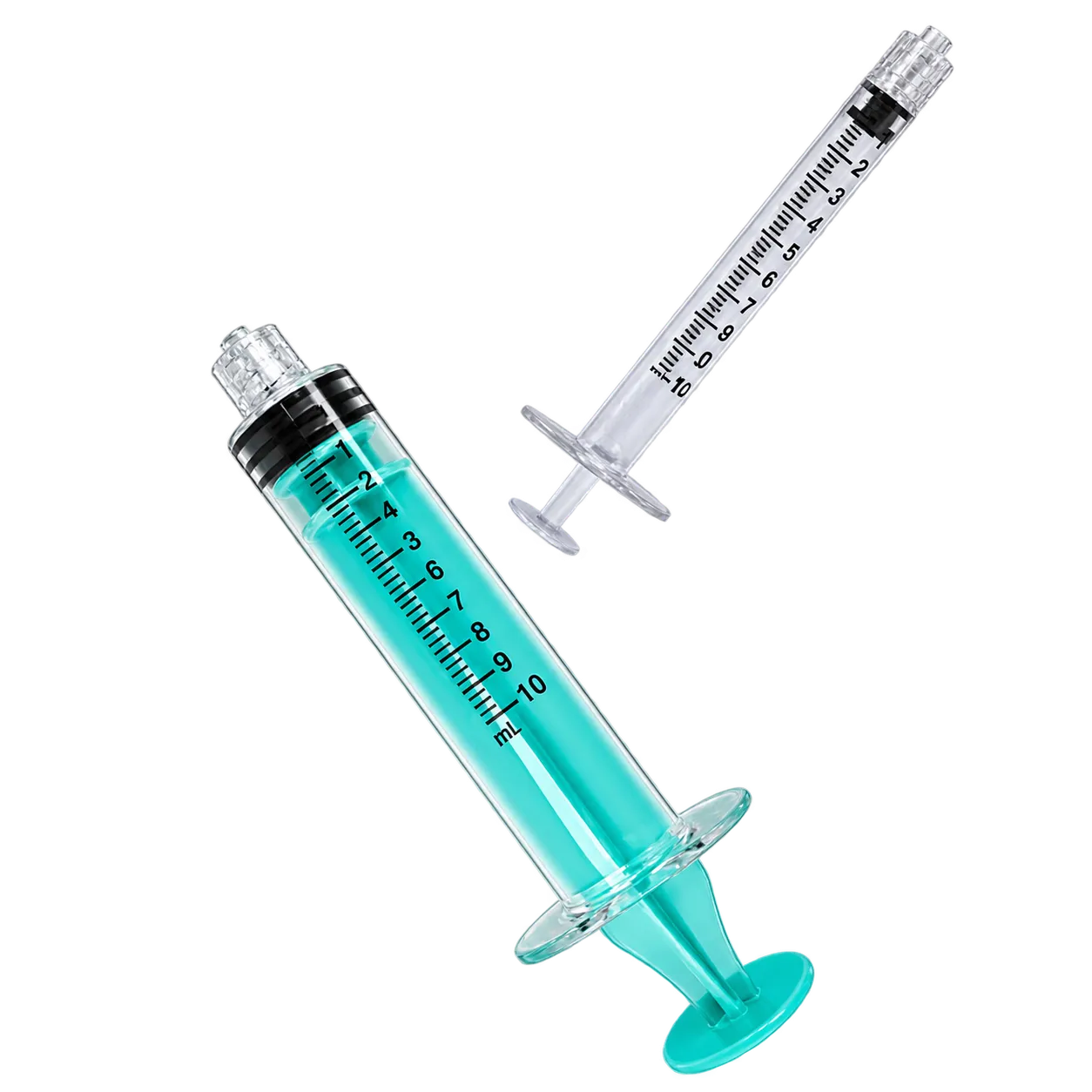
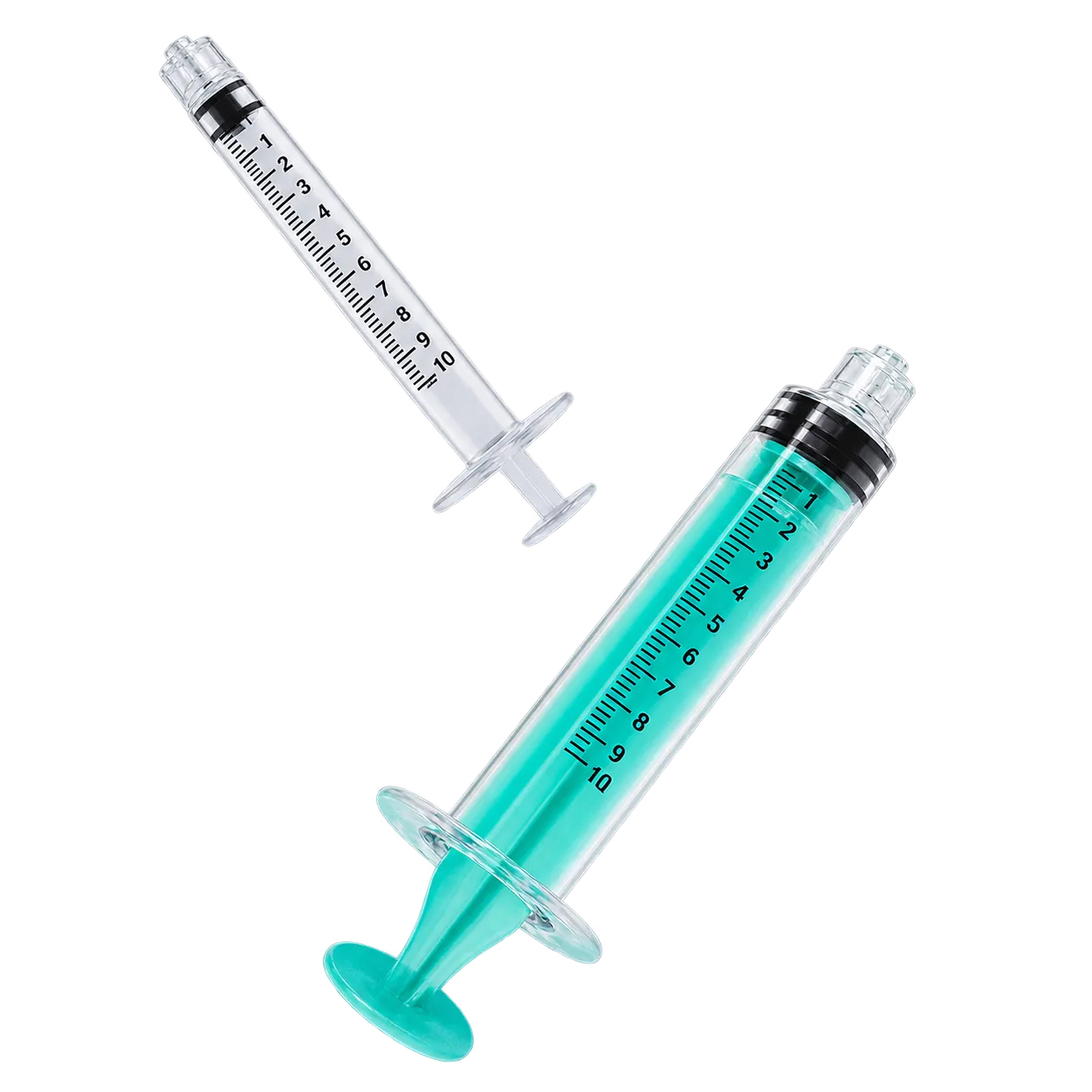
Medication error at the point of administration is one of the more stubborn problems in acute care. A drug is drawn up, set down among others, and picked up again by someone who may not have drawn it. Every syringe on the tray looks the same, and the label is small, sometimes handwritten and sometimes obscured by the hand holding it.
Colour is a second channel of information, and it works differently from text. It is read peripherally, at a distance and without focus, so a coloured plunger registers before a label is consciously examined. That does not replace reading the label, and no colour scheme should be relied on to do so. It does mean that reaching for the wrong syringe is more likely to be caught, because the colour is wrong before the words are.
The value depends entirely on consistency. Colour helps only when the same colour means the same thing to everyone who might pick up the syringe, which is why the international standard for anaesthetic syringe labelling assigns specific colours to specific drug classes. A department using seven colours in its own scheme gains a real internal benefit and none at all when staff move between hospitals. Selecting a syringe range is therefore partly a procurement decision and partly a policy one, and the policy must come first.
Beyond colour, the usual considerations apply: clarity for checking the volume drawn, a tip that will not separate, and a material compatible with what goes into it. Medigear.uk supplies the instructions for use with every order.