
Endovascular procedures involve advancing devices through vessels, and occasionally one stays behind. A catheter can fracture under torsion, leaving a length of plastic in the circulation. A coil intended for one vessel can migrate into another. A stent can slip from its balloon before deployment. A guidewire tip can separate from its shaft. Central lines fracture and embolise more often than most people expect.
Leaving such an object in place is rarely acceptable. It provides a surface for clot to form; it can migrate to the heart or lungs, and it may perforate a vessel wall. The alternative to endovascular retrieval is open surgery, which for a fragment lodged in a pulmonary artery or the right heart is a considerable undertaking for a small piece of plastic.
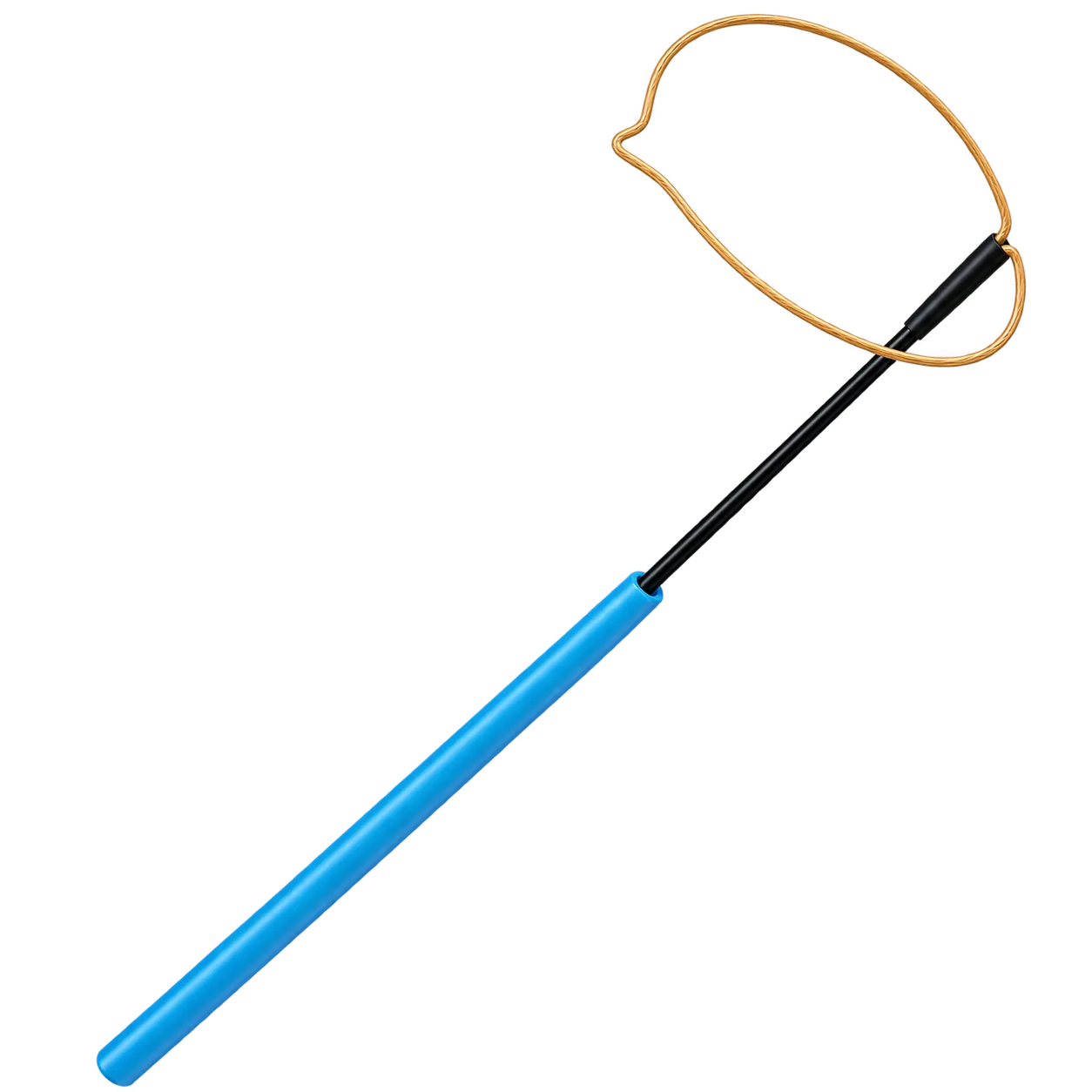
Snare retrieval avoids that. A loop is advanced past the object, opened, drawn back over a free end, and tightened. The object is then withdrawn through a sheath. Success depends almost entirely on geometry. A fragment lying along the vessel axis presents a free end that a loop crossing the lumen can pass over, so the loop must sit perpendicular to its own shaft to lie that way. Loop size must span the vessel, since a loop narrower than the lumen lets the object slip alongside it. The plane of the loop often needs rotating so it presents squarely, which is why controlled torque matters.
And the whole assembly must collapse into a catheter for delivery and reopen unchanged, which is why the loop is nitinol. Medigear.uk supplies the instructions for use with every order.